
How Popular Are Gold Loans in India? This State Tops the List

Money needs can arise without warning, and having a financial cushion makes all the difference. But when savings fall short, many Indians are increasingly turning to a reliable option, gold loans.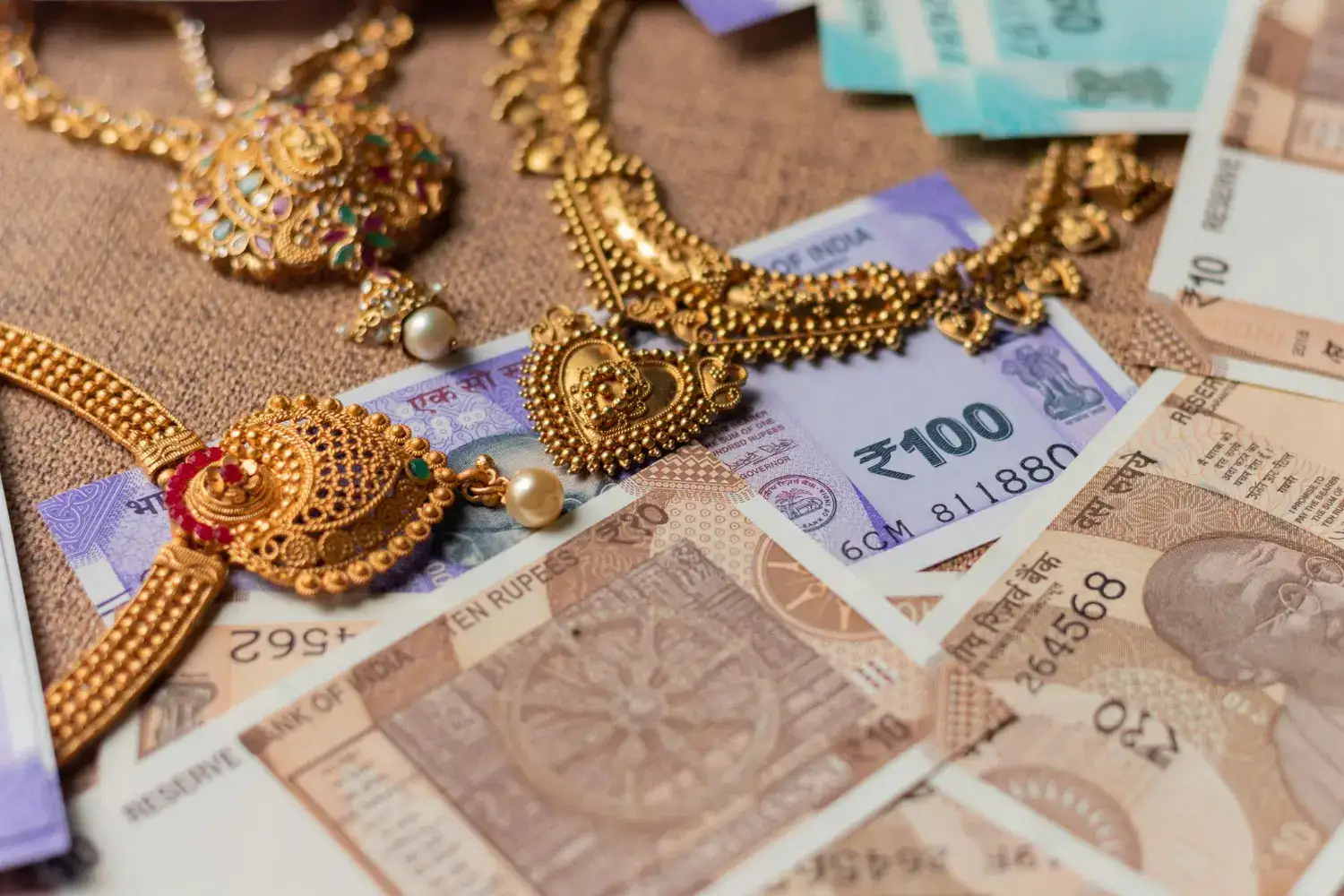
A gold loan is a secured form of borrowing where individuals pledge their gold jewellery or ornaments to a bank or lender in exchange for money. The loan amount typically depends on the market value of the gold, with banks usually offering up to 75 percent of its worth. If the borrower fails to repay, the lender has the right to recover dues by selling the pledged gold.
A Fast-Growing Lending Choice
Gold loans have become a major force in India’s retail credit market. They now make up around 36 percent of total loans and account for nearly 40 percent of the overall loan value. This shows just how widely they are being used.
The average loan size has also seen a sharp rise. As per a report by TransUnion CIBIL, the average gold loan touched nearly ₹1.9 lakh in the December 2025 quarter. This jump reflects growing trust in gold-backed borrowing.
Why Demand Is Surging
One key reason behind this trend is the steady rise in gold prices. As gold becomes more valuable, borrowers can access higher loan amounts against the same quantity. This has made gold loans an attractive and quick solution for urgent financial needs.
Popular Beyond the South
Traditionally, gold loans were more common in South Indian states, where gold ownership is deeply rooted in culture. However, this trend is now spreading.
States like Uttar Pradesh, Madhya Pradesh, and Rajasthan are witnessing a growing number of borrowers opting for gold loans. This shift highlights how gold-backed financing is gaining popularity across the country.
Gold loans are no longer just a regional preference—they are becoming a nationwide financial tool. With quick access, minimal paperwork, and rising gold value, more Indians are unlocking the potential of their idle gold to meet urgent cash needs.
A gold loan is a secured form of borrowing where individuals pledge their gold jewellery or ornaments to a bank or lender in exchange for money. The loan amount typically depends on the market value of the gold, with banks usually offering up to 75 percent of its worth. If the borrower fails to repay, the lender has the right to recover dues by selling the pledged gold.
A Fast-Growing Lending Choice
Gold loans have become a major force in India’s retail credit market. They now make up around 36 percent of total loans and account for nearly 40 percent of the overall loan value. This shows just how widely they are being used.You may also like
- Over 10,000 Indian flights cancelled as West Asia conflict disrupts air travel
- Karnataka Cong leaders allege LPG crisis, blame Centre for 'livelihood losses'
- Modi government to announce ₹14,000cr reinsurance fund for these ships
- World's largest music company receives takeover bid worth $64B
- Your EMIs for HDFC Bank loans will soon go down
The average loan size has also seen a sharp rise. As per a report by TransUnion CIBIL, the average gold loan touched nearly ₹1.9 lakh in the December 2025 quarter. This jump reflects growing trust in gold-backed borrowing.
Why Demand Is Surging
One key reason behind this trend is the steady rise in gold prices. As gold becomes more valuable, borrowers can access higher loan amounts against the same quantity. This has made gold loans an attractive and quick solution for urgent financial needs.Popular Beyond the South
Traditionally, gold loans were more common in South Indian states, where gold ownership is deeply rooted in culture. However, this trend is now spreading. States like Uttar Pradesh, Madhya Pradesh, and Rajasthan are witnessing a growing number of borrowers opting for gold loans. This shift highlights how gold-backed financing is gaining popularity across the country.
Gold loans are no longer just a regional preference—they are becoming a nationwide financial tool. With quick access, minimal paperwork, and rising gold value, more Indians are unlocking the potential of their idle gold to meet urgent cash needs.






More from our partners


Loving Newspoint? Download the app now
