
Big Change in Gratuity Rules: What Every Employee Must Know

If you’re working right now, here’s something worth paying attention to. The government’s new labour codes are set to reshape how your gratuity is calculated, and the final amount could be higher than before.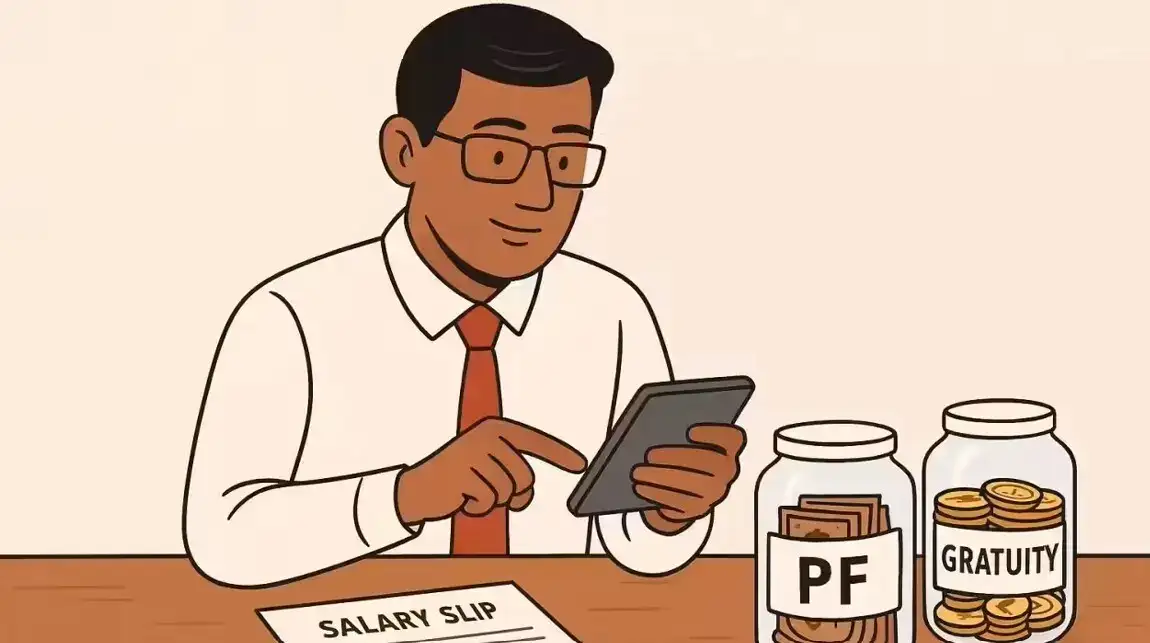
When do the new rules apply?
The changes will come into effect from November 21, 2025. But there’s a catch, they won’t apply to past cases. Only employees who retire or leave their jobs after this date will benefit from the revised rules.
Big relief for fixed-term employees
One of the biggest updates is for fixed-term employees (FTEs). Earlier, gratuity required at least five years of service. Now, under the new code, FTEs can qualify after just one year of continuous work. However, this applies only to those who join after the new rules are implemented.
How will gratuity be calculated now?
Gratuity will continue to depend on your last drawn salary and years of service. But here’s where things change, the new wage structure increases the share of basic salary. Since gratuity is calculated on this component, the final payout is expected to rise.
In simple terms: a higher basic salary = a bigger gratuity cheque when you leave.
Experts weigh in
According to industry experts, the new rules will base gratuity on the last salary drawn at the time of exit, whether due to retirement, resignation, or other reasons. With a higher basic salary throughout employment, the overall benefit could see a noticeable jump.
Impact on your monthly salary
While the long-term gains look good, there could be a short-term impact on your take-home pay. A higher basic salary means higher Provident Fund (PF) contributions, both from you and your employer (up to 12%). This could slightly reduce your in-hand salary each month.
Bonuses will also change
The revised wage structure doesn’t just affect gratuity and PF. Bonuses will also be calculated on the new salary definition, though standard eligibility rules and limits will still apply.
The new labour codes aim to strengthen employee benefits, especially gratuity. While you might see a small dip in monthly earnings, the long-term payoff, especially at the time of exit, could be significantly higher.
When do the new rules apply?
The changes will come into effect from November 21, 2025. But there’s a catch, they won’t apply to past cases. Only employees who retire or leave their jobs after this date will benefit from the revised rules. Big relief for fixed-term employees
One of the biggest updates is for fixed-term employees (FTEs). Earlier, gratuity required at least five years of service. Now, under the new code, FTEs can qualify after just one year of continuous work. However, this applies only to those who join after the new rules are implemented.You may also like
- Bharti Airtel hits 650 million users, becomes world's 2nd-largest telecom operator
- SEZ relief scheme is temporary, to give relief to domestic industry: Govt Sources
- UIDAI partners with MapmyIndia to show authorised Aadhaar centres on Mappls app
- Indo-French Business Awards 2026 Spotlight Indo-French Innovation, Excellence, and Strategic Collaboration
- Indian Startup School Announces Top 25 Founders for upcoming Flagship Bootcamp at Gurugram Campus
How will gratuity be calculated now?
Gratuity will continue to depend on your last drawn salary and years of service. But here’s where things change, the new wage structure increases the share of basic salary. Since gratuity is calculated on this component, the final payout is expected to rise. In simple terms: a higher basic salary = a bigger gratuity cheque when you leave.
Experts weigh in
According to industry experts, the new rules will base gratuity on the last salary drawn at the time of exit, whether due to retirement, resignation, or other reasons. With a higher basic salary throughout employment, the overall benefit could see a noticeable jump. Impact on your monthly salary
While the long-term gains look good, there could be a short-term impact on your take-home pay. A higher basic salary means higher Provident Fund (PF) contributions, both from you and your employer (up to 12%). This could slightly reduce your in-hand salary each month. Bonuses will also change
The revised wage structure doesn’t just affect gratuity and PF. Bonuses will also be calculated on the new salary definition, though standard eligibility rules and limits will still apply. The new labour codes aim to strengthen employee benefits, especially gratuity. While you might see a small dip in monthly earnings, the long-term payoff, especially at the time of exit, could be significantly higher.






More from our partners


Loving Newspoint? Download the app now
