
Iran's Yuan push for oil trade signals challenge for dollar


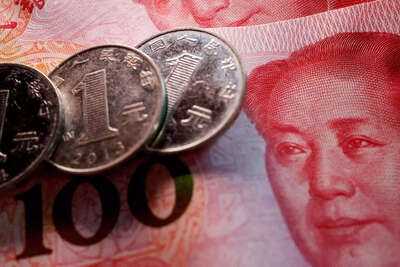
Iran is reportedly considering allowing oil tankers through the Strait of Hormuz only if transactions are settled in the Chinese yuan rather than US dollars, signalling a strategic ' de-dollarisation' move. This potential policy aims to bypass Western sanctions and strengthen ties with China, directly challenging the long-standing petrodollar system that underpins the US-controlled global financial order. ET examines how this potential shift would change the global financial sector and what this would mean for India.
What is the petrodollar?
US dollars earned by oil-exporting countries in exchange for crude oil exports are called petrodollar. This is not a different currency.
When did the dollar emerge as the major currency for oil trade?
When US President Richard Nixon stopped convertibility of the US dollar into gold in 1971, the dollar lost its sheen. To renew the dollar's importance, President Nixon struck a deal with Saudi Arabia, which holds the world's second largest known oil-reserves after Venezuela, making the Middle East nation price its oil exclusively in the US currency. In return, the US agreed to provide military protection for Saudi Arabia. Later, other OPEC (organisation of the petroleum exporting countries) members also accepted the dollar as the sole transacting currency for oil trades, making dollar the sought-after currency globally.
If oil trades from the Middle East are settled in Chinese yuan rather than US dollars, how will it impact geopolitics?
At present, about 80% of global oil trade is reportedly settled in US dollars. The potential shift would weaken the dominance of petrodollar. The world would perhaps move to a system of multicurrency energy trading with China's importance in the geopolitical order being intensified. In a multi-currency system, the demand for the US dollar would reduce which in turn diminish the geopolitical influence that the world largest economy enjoys. The potential move would also expedite the de-dollarization drive, a senior economist with QuantEco said.
How would the global financial system react to this?
If such a shift at all happens, it would cause global financial market volatility with both the currency and bond markets likely to be impacted. The diminishing importance of the dollar may potentially lead to higher US interest rates and inflation, economists said, leading to cascading effects on other economies. The international trade and reserve management of every country would go through a shift. All oil-importing countries now hold US dollars, which is freely convertible. In contrast, yuan is neither widely held by other nations nor easily accessible. Yuan is also not freely convertible, which will create disruptions in the short run.
How will this potential shift affect India?
Half of India's crude import comes from the Gulf nations and a majority of this chunk moves through the Strait of Hormuz. To that extent, India will be impacted as it would need to create yuan reserves.
What is the status of the Strait of Hormuz?
About 20% of global oil trade is done through the Strait of Hormuz. Since the beginning of the West Asia crisis, the Strait of Hormuz has been effectively closed to ships from the US, Israel and their Western allies. Iran made some exceptions for vessels from India and a few other nations like China and Turkey.
What is the petrodollar?
US dollars earned by oil-exporting countries in exchange for crude oil exports are called petrodollar. This is not a different currency.
When did the dollar emerge as the major currency for oil trade?
When US President Richard Nixon stopped convertibility of the US dollar into gold in 1971, the dollar lost its sheen. To renew the dollar's importance, President Nixon struck a deal with Saudi Arabia, which holds the world's second largest known oil-reserves after Venezuela, making the Middle East nation price its oil exclusively in the US currency. In return, the US agreed to provide military protection for Saudi Arabia. Later, other OPEC (organisation of the petroleum exporting countries) members also accepted the dollar as the sole transacting currency for oil trades, making dollar the sought-after currency globally.
If oil trades from the Middle East are settled in Chinese yuan rather than US dollars, how will it impact geopolitics?
At present, about 80% of global oil trade is reportedly settled in US dollars. The potential shift would weaken the dominance of petrodollar. The world would perhaps move to a system of multicurrency energy trading with China's importance in the geopolitical order being intensified. In a multi-currency system, the demand for the US dollar would reduce which in turn diminish the geopolitical influence that the world largest economy enjoys. The potential move would also expedite the de-dollarization drive, a senior economist with QuantEco said.
How would the global financial system react to this?
If such a shift at all happens, it would cause global financial market volatility with both the currency and bond markets likely to be impacted. The diminishing importance of the dollar may potentially lead to higher US interest rates and inflation, economists said, leading to cascading effects on other economies. The international trade and reserve management of every country would go through a shift. All oil-importing countries now hold US dollars, which is freely convertible. In contrast, yuan is neither widely held by other nations nor easily accessible. Yuan is also not freely convertible, which will create disruptions in the short run.
How will this potential shift affect India?
Half of India's crude import comes from the Gulf nations and a majority of this chunk moves through the Strait of Hormuz. To that extent, India will be impacted as it would need to create yuan reserves.
What is the status of the Strait of Hormuz?
About 20% of global oil trade is done through the Strait of Hormuz. Since the beginning of the West Asia crisis, the Strait of Hormuz has been effectively closed to ships from the US, Israel and their Western allies. Iran made some exceptions for vessels from India and a few other nations like China and Turkey.
Next Story