
Old gold jewellery: 6 factors to check when replacing


The more an asset rises in its value more we get anxious about its safety and reliability in terms of valuations. Gold price has risen sharply in recent past which has made many people worry about purity of their old gold jewellery and whether they will get the right value in the market if needed. With gold hallmarking now mandatory in most districts in India, many people are considering exchanging old jewellery for hallmarked pieces to ensure purity and higher resale value.
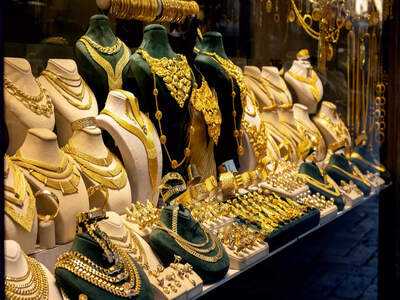
Hallmarked jewellery not only ensures high quality but can also be sold easily at various places. But if you want to get your jewellery replaced with hallmarked jewellery, you should check the purity of your old gold, prevailing gold rates, exchange deductions (melting/making loss), among many other factors. Here, we take you through the 6 key factors that you should focus on while getting your old jewellery replaced with hallmarked pieces-
1) Which factors are important when replacing old jewellery with hallmarked jewellery?
Prithviraj Kothari, managing director at RiddiSiddhi Bullions Ltd., President of India Bullion and Jewellers Association Ltd (IBJA), explains once should check the purity of their old gold, prevailing gold rates, exchange deductions (melting/making loss), and transparency in weight and valuation.
Kothari suggests always choosing a BIS-authorised jeweller for replacing old jewellery
“Once should have understanding of making charges on new jewellery, and insist on proper billing and hallmarking details from the jeweller,” says Kothari.
Aksha Kamboj, vice president, (IBJA) and executive chairperson, Aspect Global Ventures, also says the purity certification of gold and traceability with recognised standard marks are the key areas to focus on while replacing old ornaments with hallmarked ones.
“BIS-certified hallmarking assures that gold’s karat and fineness have been independently verified at recognised assaying & hallmarking centres, reducing fraud risk and enabling fair valuation during exchange,” says Kamboj.
Kamboj was referring to Bureau of Indian Standards (BIS) that regulates, certifies and sets purity standards for goods, including gold jewellery. It also issues hallmark certificates to jewellers for selling hallmarked silver and gold.
BIS-recognised assaying and hallmarking centres also check the purity level of jewellery after charging a fee.
2) What exactly does hallmarking certify, and why is it crucial today?
Kamboj says hallmarking confirms independent testing of gold jewellery purity and fineness and includes the BIS logo, purity grade and the Hallmark Unique identification (HUID) code.
Kothari reveals hallmarking certifies the purity of gold as tested and approved by a BIS-recognised assaying and hallmarking centre.
“It protects consumers from under-caratage, ensures fair value, improves resale value, and brings accountability and standardisation to the jewellery market,” says Kothari.
Suvankar Sen, MD & CEO, Senco Gold & Diamonds, says in hallmarking, BIS certifies the exact gold content, whether 22K, 18K, 14K or 9K, and protects consumers from intentional adulteration or misrepresentation.
“With mandatory hallmarking now extended to lower karats such as 9K and 14K, verification has become even more important to ensure consistency and purity across all price segments,” says Sen.
3) Where can you replace your old jewellery with hallmarked jewellery?
Kamboj says old jewellery—hallmarked or not—can be exchanged or sold to reputable jewellers who issue new BIS-marked jewellery.
Kamboj further says BIS permits jewellers to accept old gold and provide new hallmarked articles, though valuation methods vary across stores.
Kothari reveals some jewellers also offer exchange programmes with transparent valuation and minimal deductions.
4) How can buyers identify genuine BIS-hallmarked jewellery?
Kothari says buyers should look for the BIS logo, purity mark (22K/18K), a six-digit HUID number, and the jeweller’s identification mark on the piece of jewellery.
“Authenticity can be verified by checking the HUID on the BIS Care app or BIS website, says Kothari.
Kamboj suggests consumers should avoid buying jewellery lacking these markings and verify details through the BIS Care app.
Kamboj was referring to the BIS’ official app where customers can check the authenticity of gold through the HUID number of the jewellery item.
5) How does jeweller/BIS assaying centre assess the purity of old gold while replacing it with hallmarked jewellery?
Kothari reveals purity is tested using non-destructive methods like XRF testing or, if required, melting-based fire assay.
“Final value depends on net gold content after accounting for alloys, stones, and impurities,” says Kothari.
Kamboj says purity is checked through independent testing at BIS-recognised assaying & hallmarking centres.
“After certified testing, jewellery can be hallmarked with a BIS logo and HUID, confirming compliance with national standards,” says Kamboj.
6) What details must consumers cross-verify on the BIS hallmark?
Kothari says consumers should verify:
Hallmarked jewellery not only ensures high quality but can also be sold easily at various places. But if you want to get your jewellery replaced with hallmarked jewellery, you should check the purity of your old gold, prevailing gold rates, exchange deductions (melting/making loss), among many other factors. Here, we take you through the 6 key factors that you should focus on while getting your old jewellery replaced with hallmarked pieces-
1) Which factors are important when replacing old jewellery with hallmarked jewellery?
Prithviraj Kothari, managing director at RiddiSiddhi Bullions Ltd., President of India Bullion and Jewellers Association Ltd (IBJA), explains once should check the purity of their old gold, prevailing gold rates, exchange deductions (melting/making loss), and transparency in weight and valuation.
Kothari suggests always choosing a BIS-authorised jeweller for replacing old jewellery
“Once should have understanding of making charges on new jewellery, and insist on proper billing and hallmarking details from the jeweller,” says Kothari.
Aksha Kamboj, vice president, (IBJA) and executive chairperson, Aspect Global Ventures, also says the purity certification of gold and traceability with recognised standard marks are the key areas to focus on while replacing old ornaments with hallmarked ones.
“BIS-certified hallmarking assures that gold’s karat and fineness have been independently verified at recognised assaying & hallmarking centres, reducing fraud risk and enabling fair valuation during exchange,” says Kamboj.
Kamboj was referring to Bureau of Indian Standards (BIS) that regulates, certifies and sets purity standards for goods, including gold jewellery. It also issues hallmark certificates to jewellers for selling hallmarked silver and gold.
BIS-recognised assaying and hallmarking centres also check the purity level of jewellery after charging a fee.
2) What exactly does hallmarking certify, and why is it crucial today?
Kamboj says hallmarking confirms independent testing of gold jewellery purity and fineness and includes the BIS logo, purity grade and the Hallmark Unique identification (HUID) code.
Kothari reveals hallmarking certifies the purity of gold as tested and approved by a BIS-recognised assaying and hallmarking centre.
“It protects consumers from under-caratage, ensures fair value, improves resale value, and brings accountability and standardisation to the jewellery market,” says Kothari.
Suvankar Sen, MD & CEO, Senco Gold & Diamonds, says in hallmarking, BIS certifies the exact gold content, whether 22K, 18K, 14K or 9K, and protects consumers from intentional adulteration or misrepresentation.
“With mandatory hallmarking now extended to lower karats such as 9K and 14K, verification has become even more important to ensure consistency and purity across all price segments,” says Sen.
3) Where can you replace your old jewellery with hallmarked jewellery?
Kamboj says old jewellery—hallmarked or not—can be exchanged or sold to reputable jewellers who issue new BIS-marked jewellery.
Kamboj further says BIS permits jewellers to accept old gold and provide new hallmarked articles, though valuation methods vary across stores.
Kothari reveals some jewellers also offer exchange programmes with transparent valuation and minimal deductions.
4) How can buyers identify genuine BIS-hallmarked jewellery?
Kothari says buyers should look for the BIS logo, purity mark (22K/18K), a six-digit HUID number, and the jeweller’s identification mark on the piece of jewellery.
“Authenticity can be verified by checking the HUID on the BIS Care app or BIS website, says Kothari.
Kamboj suggests consumers should avoid buying jewellery lacking these markings and verify details through the BIS Care app.
Kamboj was referring to the BIS’ official app where customers can check the authenticity of gold through the HUID number of the jewellery item.
5) How does jeweller/BIS assaying centre assess the purity of old gold while replacing it with hallmarked jewellery?
Kothari reveals purity is tested using non-destructive methods like XRF testing or, if required, melting-based fire assay.
“Final value depends on net gold content after accounting for alloys, stones, and impurities,” says Kothari.
Kamboj says purity is checked through independent testing at BIS-recognised assaying & hallmarking centres.
“After certified testing, jewellery can be hallmarked with a BIS logo and HUID, confirming compliance with national standards,” says Kamboj.
6) What details must consumers cross-verify on the BIS hallmark?
Kothari says consumers should verify:
- BIS logo
- Purity/fineness (e.g., 916 for 22K)
- HUID (Hallmark Unique Identification Number)
- Jeweller’s identification mark
- Year of hallmarking
Sen sums up saying, “verifying these details help consumers avoid misleading markings, protects their investment and reinforces confidence in purchases made from retailers.”
Next Story