
PAN Card And PNB Rules To Change From April 1, 2026; Key Money Updates Explained

As the financial year draws to a close, attention is shifting to a fresh set of money-related rules that will come into effect from 1 April 2026. The start of a new financial year often brings important regulatory resets, but this time the changes span multiple areas that directly touch daily life. Tax filing, PAN applications, ATM withdrawals, bank penalties and household fuel expenses are all likely to see updates. For taxpayers, salaried professionals and regular banking users, understanding these shifts early can help avoid confusion and support smarter money management in the new year.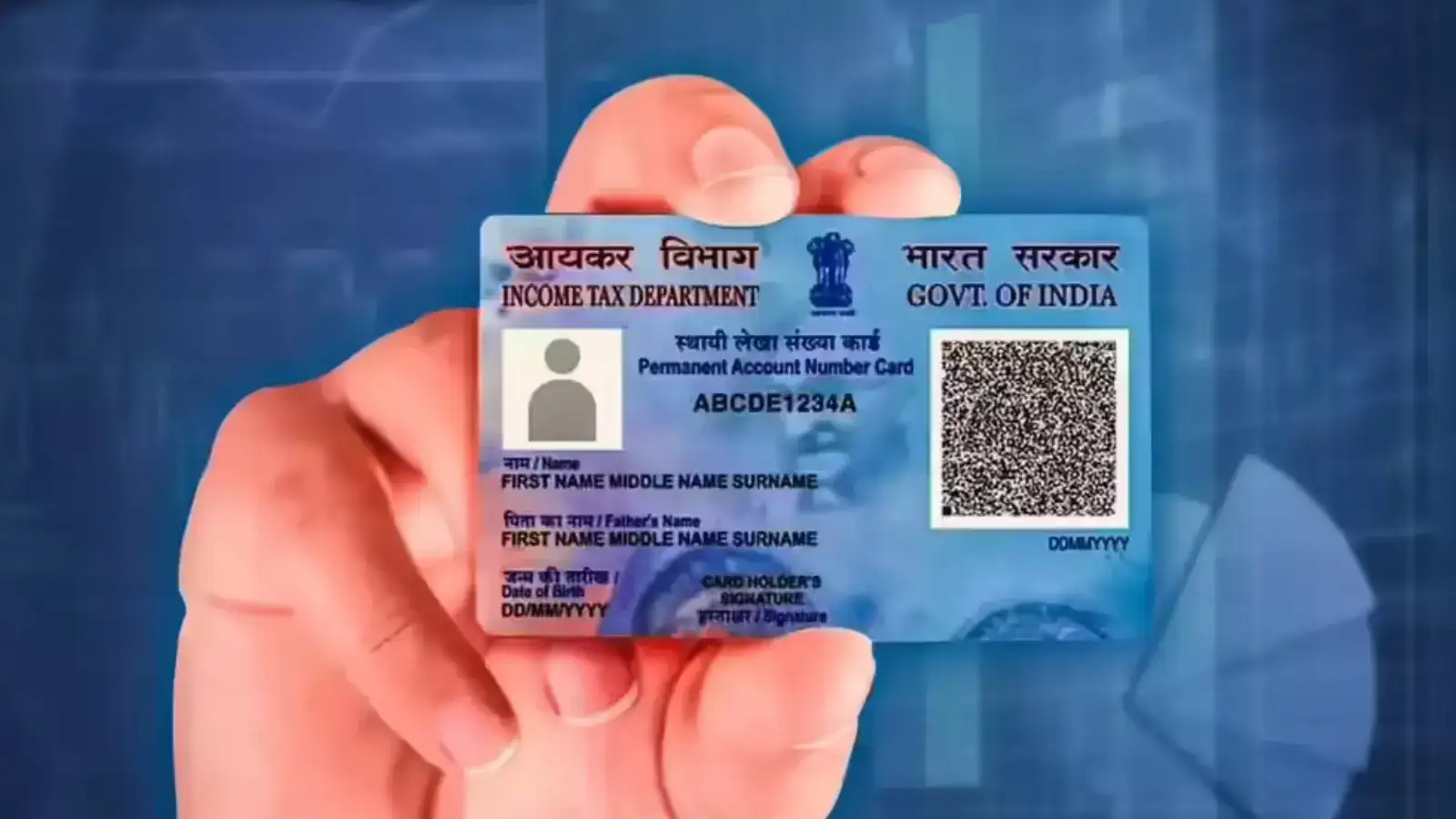
A key simplification is the use of a single “tax year” concept. Instead of separate terms that often confuse taxpayers, the new system is expected to make return filing easier to understand, especially for salaried individuals and first-time filers.
This move is likely to reduce mistakes during tax planning and improve compliance comfort.
Individuals with annual income up to ₹12 lakh are expected to continue enjoying zero tax liability through the available rebate mechanism. This is likely to offer major support to middle-income earners looking to preserve more take-home income and improve savings potential.
With inflation and living costs remaining a concern, this tax relief may offer meaningful breathing room in monthly budgeting.
From April, Aadhaar alone may no longer be sufficient in many cases. Applicants may need to submit an additional supporting document, such as a passport, school marksheet or another accepted proof of identity.
This change is expected to strengthen verification standards and reduce documentation mismatches during PAN issuance or updates.
Those planning fresh applications should keep their paperwork organised in advance.
Cash withdrawals through ATM channels are likely to become slightly more expensive after the free monthly limit is exhausted. Charges of ₹23 per transaction beyond the first five may apply in some cases.
In addition, certain banks may levy a ₹25 penalty if a transaction fails because of insufficient balance.
For customers who rely heavily on cash withdrawals, tracking usage and maintaining sufficient balance could help avoid unnecessary fees.
Alongside cooking gas, CNG, PNG and aviation fuel prices may also be revised. Any increase here can directly impact kitchen expenses, transport budgets and flight fares.
This makes the first week of April particularly important for households and frequent travellers alike.
The daily withdrawal limit on select debit cards is expected to rise from ₹50,000 to ₹75,000. This higher ceiling could be especially useful for emergency cash needs or larger planned expenses.
The start of FY 2026–27 is bringing more than a calendar change. With simpler tax rules, continued rebate benefits, stricter PAN norms, revised ATM charges and possible fuel price resets, several everyday financial decisions may look different from April 1. Staying aware of these updates can help individuals manage money more efficiently and enter the new financial year with greater confidence.
Tax Filing Gets Simpler With A New Framework
One of the biggest updates from April 1 is the rollout of a fresh income tax structure under the Income Tax Act, 2025. The older law that had governed taxation for decades is now being replaced with a more streamlined framework aimed at improving clarity.A key simplification is the use of a single “tax year” concept. Instead of separate terms that often confuse taxpayers, the new system is expected to make return filing easier to understand, especially for salaried individuals and first-time filers.
This move is likely to reduce mistakes during tax planning and improve compliance comfort.
Relief For Middle-Class Taxpayers
The new financial year also begins with welcome relief for many households under the updated tax regime.Individuals with annual income up to ₹12 lakh are expected to continue enjoying zero tax liability through the available rebate mechanism. This is likely to offer major support to middle-income earners looking to preserve more take-home income and improve savings potential.
With inflation and living costs remaining a concern, this tax relief may offer meaningful breathing room in monthly budgeting.
PAN Applications May Need More Documents
Another important change is stricter documentation for PAN card issuance.From April, Aadhaar alone may no longer be sufficient in many cases. Applicants may need to submit an additional supporting document, such as a passport, school marksheet or another accepted proof of identity.
This change is expected to strengthen verification standards and reduce documentation mismatches during PAN issuance or updates.
Those planning fresh applications should keep their paperwork organised in advance.
ATM Withdrawals Could Cost More
Regular bank users may also need to watch their transaction count more carefully.Cash withdrawals through ATM channels are likely to become slightly more expensive after the free monthly limit is exhausted. Charges of ₹23 per transaction beyond the first five may apply in some cases.
In addition, certain banks may levy a ₹25 penalty if a transaction fails because of insufficient balance.
For customers who rely heavily on cash withdrawals, tracking usage and maintaining sufficient balance could help avoid unnecessary fees.
LPG, CNG And Airfare Prices May Shift
The beginning of every month often brings fuel price revisions, and 1 April may once again trigger changes in domestic LPG cylinder rates.Alongside cooking gas, CNG, PNG and aviation fuel prices may also be revised. Any increase here can directly impact kitchen expenses, transport budgets and flight fares.
This makes the first week of April particularly important for households and frequent travellers alike.
Higher Cash Withdrawal Limits On Some Debit Cards
Some bank customers may also benefit from improved withdrawal flexibility.The daily withdrawal limit on select debit cards is expected to rise from ₹50,000 to ₹75,000. This higher ceiling could be especially useful for emergency cash needs or larger planned expenses.
The start of FY 2026–27 is bringing more than a calendar change. With simpler tax rules, continued rebate benefits, stricter PAN norms, revised ATM charges and possible fuel price resets, several everyday financial decisions may look different from April 1. Staying aware of these updates can help individuals manage money more efficiently and enter the new financial year with greater confidence.
Next Story