
Petrol and Diesel Prices Update: Will Fuel Rates Rise or Fall in the Coming Days

Fuel prices are once again in the spotlight as global developments begin to reshape the oil market. For everyday consumers, the biggest concern is simple. Will petrol and diesel become cheaper, or are prices set to rise again?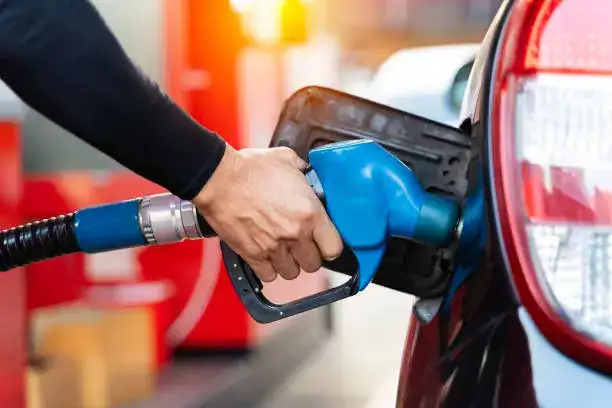
The answer is not straightforward. A mix of increased oil production and rising geopolitical tensions is creating a situation where prices could move in either direction.
OPEC+ Increases Oil Production
A major development comes from OPEC+, a group of leading oil producing nations that includes Saudi Arabia and Russia.
The group has decided to increase oil output by 206,000 barrels per day starting May 2026. This is the second consecutive month of production growth. The aim is to improve global supply and prevent sharp price spikes.
In general, when oil production rises, it helps stabilise or even reduce fuel prices, as more supply becomes available in the market.
Geopolitical Tensions Disrupt Supply
However, the situation is far from stable. Ongoing tensions in West Asia, particularly involving Iran and the US Israel bloc, are creating serious concerns for the global oil supply chain.
The biggest impact is being seen in the Strait of Hormuz, one of the most important oil transit routes in the world. Nearly 20 percent of global oil and gas supply passes through this narrow stretch.
Due to rising threats to oil tankers and shipping routes, movement in this region has slowed significantly. This has increased uncertainty and raised fears of supply disruptions.
Why Supply Routes Matter So Much
Even if oil production increases, it does not guarantee stable prices. Oil needs to reach markets safely and consistently. If key routes are disrupted, supply can tighten quickly, pushing prices upward.
OPEC+ has also warned that ongoing attacks on energy infrastructure or disruptions at sea could lead to greater volatility in oil prices. This means prices could fluctuate sharply depending on how the situation develops.
What It Means for Petrol and Diesel Prices
In India and across the world, petrol and diesel prices are closely linked to global crude oil rates. If crude prices rise, fuel prices usually follow.
Higher fuel costs can affect everyday life in many ways. Transportation becomes more expensive, which can increase the cost of goods and services. This can eventually lead to higher inflation and impact household budgets.
On the other hand, if the increased production manages to balance supply despite the tensions, prices may remain stable or see only a limited rise.
A Market Caught Between Supply and Risk
Some countries are trying to maintain oil exports through alternative routes, which is helping ease pressure slightly. However, experts believe that increasing production alone is not enough. Securing supply chains is equally important in the current situation.
The global oil market is now balancing two opposing forces. One is higher production, which supports stability. The other is geopolitical risk, which creates uncertainty.
What Should Consumers Expect
At the moment, the outlook remains mixed. Fuel prices may not see a sharp drop immediately, but they could remain volatile depending on how global events unfold.
Consumers may experience small fluctuations rather than a clear upward or downward trend in the short term.
Petrol and diesel prices are influenced by more than just supply and demand. Global politics, trade routes, and economic conditions all play a role.
While OPEC+ is trying to stabilise the market by increasing production, ongoing tensions in key regions continue to keep the situation uncertain. For now, it is wise to stay prepared for possible changes in fuel prices in the coming weeks.
The answer is not straightforward. A mix of increased oil production and rising geopolitical tensions is creating a situation where prices could move in either direction.
OPEC+ Increases Oil Production
A major development comes from OPEC+, a group of leading oil producing nations that includes Saudi Arabia and Russia.The group has decided to increase oil output by 206,000 barrels per day starting May 2026. This is the second consecutive month of production growth. The aim is to improve global supply and prevent sharp price spikes.
In general, when oil production rises, it helps stabilise or even reduce fuel prices, as more supply becomes available in the market.
Geopolitical Tensions Disrupt Supply
However, the situation is far from stable. Ongoing tensions in West Asia, particularly involving Iran and the US Israel bloc, are creating serious concerns for the global oil supply chain. The biggest impact is being seen in the Strait of Hormuz, one of the most important oil transit routes in the world. Nearly 20 percent of global oil and gas supply passes through this narrow stretch.
Due to rising threats to oil tankers and shipping routes, movement in this region has slowed significantly. This has increased uncertainty and raised fears of supply disruptions.
Why Supply Routes Matter So Much
Even if oil production increases, it does not guarantee stable prices. Oil needs to reach markets safely and consistently. If key routes are disrupted, supply can tighten quickly, pushing prices upward.OPEC+ has also warned that ongoing attacks on energy infrastructure or disruptions at sea could lead to greater volatility in oil prices. This means prices could fluctuate sharply depending on how the situation develops.
What It Means for Petrol and Diesel Prices
In India and across the world, petrol and diesel prices are closely linked to global crude oil rates. If crude prices rise, fuel prices usually follow. Higher fuel costs can affect everyday life in many ways. Transportation becomes more expensive, which can increase the cost of goods and services. This can eventually lead to higher inflation and impact household budgets.
On the other hand, if the increased production manages to balance supply despite the tensions, prices may remain stable or see only a limited rise.
A Market Caught Between Supply and Risk
Some countries are trying to maintain oil exports through alternative routes, which is helping ease pressure slightly. However, experts believe that increasing production alone is not enough. Securing supply chains is equally important in the current situation.The global oil market is now balancing two opposing forces. One is higher production, which supports stability. The other is geopolitical risk, which creates uncertainty.
What Should Consumers Expect
At the moment, the outlook remains mixed. Fuel prices may not see a sharp drop immediately, but they could remain volatile depending on how global events unfold. Consumers may experience small fluctuations rather than a clear upward or downward trend in the short term.
Petrol and diesel prices are influenced by more than just supply and demand. Global politics, trade routes, and economic conditions all play a role.
While OPEC+ is trying to stabilise the market by increasing production, ongoing tensions in key regions continue to keep the situation uncertain. For now, it is wise to stay prepared for possible changes in fuel prices in the coming weeks.
Next Story