
Secured Credit Card vs Unsecured Credit Card: Features, Benefits, and Key Differences

Credit cards have become an integral part of modern financial life, offering convenience, rewards, and a means to build credit history. However, not all credit cards are the same. They are broadly classified into secured and unsecured credit cards, each catering to different financial profiles and needs. Understanding the difference between the two helps you choose the right type of card and manage your credit effectively.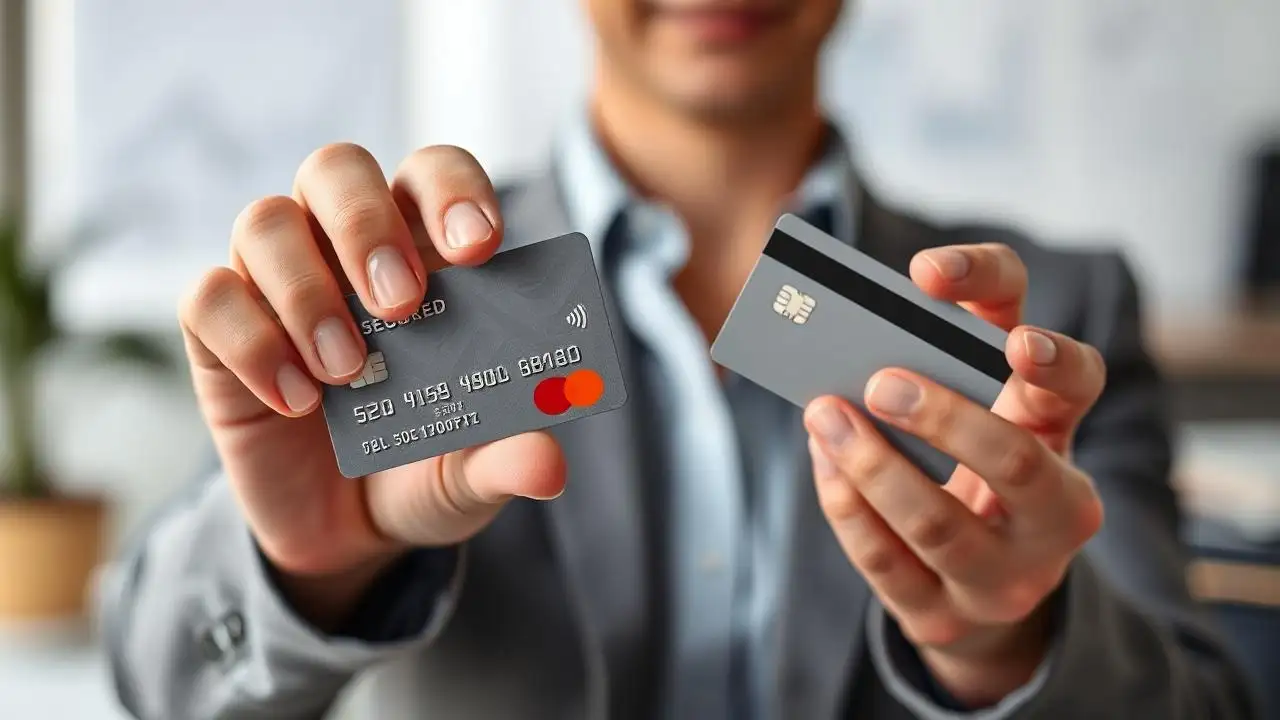
Secured credit cards are designed for individuals who:
Are new to credit or rebuilding their credit profile
The deposit acts as a safety net for the bank, reducing its risk. If the cardholder defaults on payments, the bank can recover the dues by liquidating the fixed deposit.
Unsecured cards typically offer higher credit limits, reward programs, cashback offers, and travel benefits, making them attractive to financially stable users. However, since there is no collateral involved, lenders rely heavily on the applicant’s creditworthiness before approval.
Credit Repair: If you’ve faced loan defaults or missed payments in the past, using a secured card wisely can help rebuild your score.
Limited Income: For students, freelancers, or homemakers who may not meet unsecured card criteria, a secured card is a good entry point.
By using the card regularly and paying bills on time, you can eventually qualify for an unsecured credit card. Some banks even upgrade your secured card to an unsecured one after consistent repayment history.
Unsecured credit cards often come with additional features such as reward points, travel insurance, and lounge access, depending on the card variant.
Attractive rewards, discounts, and privileges
What Is a Secured Credit Card ?
A secured credit card is a type of card issued against a security deposit or collateral, typically a fixed deposit (FD). The credit limit is usually a percentage of the deposit amount — often 75% to 90%. For instance, if you open an FD of ₹50,000, your credit limit may range from ₹37,500 to ₹45,000.Secured credit cards are designed for individuals who:
- Have little or no credit history
- Have a low credit score
What Is an Unsecured Credit Card ?
An unsecured credit card is the most common type of credit card and does not require any security deposit. The credit limit is determined by the cardholder’s income, employment status, and credit score. These cards are issued to individuals with an established credit history and good repayment record.Unsecured cards typically offer higher credit limits, reward programs, cashback offers, and travel benefits, making them attractive to financially stable users. However, since there is no collateral involved, lenders rely heavily on the applicant’s creditworthiness before approval.
Key Differences Between Secured and Unsecured Credit Cards
| Feature | Secured Credit Card | Unsecured Credit Card |
|---|---|---|
| Collateral Requirement | Requires a fixed deposit as security | No collateral required |
| Target Users | Beginners, students, or people rebuilding credit | Individuals with stable income and good credit history |
| Credit Limit | Based on fixed deposit amount | Based on income and credit score |
| Approval Process | Easier to get approved | Subject to stringent eligibility criteria |
| Risk to Bank | Low (secured by deposit) | High (depends on borrower’s repayment) |
| Rewards and Benefits | Basic benefits, limited offers | Extensive rewards, cashback, and premium perks |
| Interest Rates | Usually lower, as it’s secured by FD | May vary based on credit profile |
| Impact on Credit Score | Helps build or rebuild credit | Helps maintain and improve established credit history |
When Should You Choose a Secured Credit Card?
A secured credit card is ideal if you are new to credit or have a low credit score. It’s particularly useful in the following cases:- No Credit History: If you are a first-time credit card user, a secured card can help you start building credit responsibly.
When Should You Choose an Unsecured Credit Card?
Unsecured credit cards are suitable for individuals who have a steady income and a healthy credit profile. Choose an unsecured card if you:- Have a credit score above 700
- Earn a regular monthly income that meets the bank’s eligibility criteria
- Want to enjoy reward programs, travel perks, or cashback offers
- Prefer a card without locking money in a fixed deposit
Unsecured credit cards often come with additional features such as reward points, travel insurance, and lounge access, depending on the card variant.
Benefits and Drawbacks
Benefits of Secured Credit Cards
- Easier approval process
- Helps in credit score improvement
- Lower risk of rejection
- Suitable for students and beginners
Drawbacks of Secured Credit Cards
- Requires a fixed deposit
- Lower credit limits
- Limited benefits and offers
Benefits of Unsecured Credit Cards
- No deposit required
- Higher credit limit and purchasing power
You may also like
Drawbacks of Unsecured Credit Cards
- Stricter eligibility and approval norms
- Higher interest rates for risky borrowers
- Potential debt risk if spending is uncontrolled
How to Transition from Secured to Unsecured Credit Cards
Many banks periodically review the repayment behaviour of secured cardholders. If you maintain consistent on-time payments for 12–18 months, you may become eligible for an unsecured upgrade. Once the transition is approved, your fixed deposit can be released, and your credit limit may be increased.Conclusion
Both secured and unsecured credit cards serve distinct financial needs. While secured credit cards are ideal for beginners and those rebuilding their credit, unsecured cards offer greater flexibility, rewards, and prestige for those with a solid credit history. Choosing the right one depends on your current financial position, spending habits, and creditworthiness. Regardless of the type, responsible usage and timely bill payments are key to maintaining a healthy credit score and long-term financial stability.





More from our partners


Loving Newspoint? Download the app now
