
30,000 'Vidyut Sakhis' empower rural women in Uttar Pradesh, collect ₹3,250 crore in power bills


An initiative involving women from self-help groups in rural Uttar Pradesh has led to the emergence of nearly 30,000 “Vidyut Sakhis” who assist with electricity bill collection in villages. According to official data, these women have collectively facilitated the collection of more than ₹3,250 crore in electricity payments, highlighting the scale of the programme across the state.
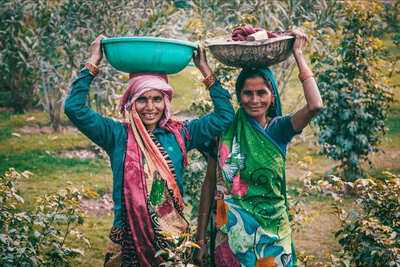
The initiative links rural women with local electricity distribution services, allowing them to act as collection agents in their communities. More than 15,000 Vidyut Sakhis are currently working in the field, visiting households and helping residents deposit electricity bills. The remaining registered women have undergone training and are expected to begin field operations after completing formal procedures.
The programme was designed to provide employment opportunities for women associated with self-help groups while also improving access to utility services in rural areas. In many villages, residents earlier had to travel to nearby towns or stand in long queues at electricity offices to pay their bills. With Vidyut Sakhis operating locally, bill payments can now be completed closer to home.
The women receive commission-based earnings for the collections they make. Under the payment structure, they receive a fixed commission of ₹20 for electricity bills of up to ₹2,000, while bills above that amount earn them a commission of around one percent. For many participants, the activity has created a supplementary source of income, and some women have reportedly been able to earn significant amounts through consistent work.
Officials say the programme also aims to strengthen rural energy services by increasing bill payment efficiency and improving communication between electricity providers and consumers. At the same time, the involvement of local women helps build trust within communities, particularly in remote areas where access to formal services may be limited.
The expansion of the Vidyut Sakhi network reflects a broader effort to integrate self-help groups into local service delivery and livelihood programmes. Supporters of the model say it demonstrates how community-based initiatives can combine public service functions with income-generation opportunities.
As more trained participants begin field work, the number of active Vidyut Sakhis is expected to grow further, potentially expanding the programme’s reach across additional rural areas of the state.
The initiative links rural women with local electricity distribution services, allowing them to act as collection agents in their communities. More than 15,000 Vidyut Sakhis are currently working in the field, visiting households and helping residents deposit electricity bills. The remaining registered women have undergone training and are expected to begin field operations after completing formal procedures.
The programme was designed to provide employment opportunities for women associated with self-help groups while also improving access to utility services in rural areas. In many villages, residents earlier had to travel to nearby towns or stand in long queues at electricity offices to pay their bills. With Vidyut Sakhis operating locally, bill payments can now be completed closer to home.
The women receive commission-based earnings for the collections they make. Under the payment structure, they receive a fixed commission of ₹20 for electricity bills of up to ₹2,000, while bills above that amount earn them a commission of around one percent. For many participants, the activity has created a supplementary source of income, and some women have reportedly been able to earn significant amounts through consistent work.
Officials say the programme also aims to strengthen rural energy services by increasing bill payment efficiency and improving communication between electricity providers and consumers. At the same time, the involvement of local women helps build trust within communities, particularly in remote areas where access to formal services may be limited.
The expansion of the Vidyut Sakhi network reflects a broader effort to integrate self-help groups into local service delivery and livelihood programmes. Supporters of the model say it demonstrates how community-based initiatives can combine public service functions with income-generation opportunities.
As more trained participants begin field work, the number of active Vidyut Sakhis is expected to grow further, potentially expanding the programme’s reach across additional rural areas of the state.
Next Story