
4.5 Million-Year-Old Rare Fish Fossil Discovered in Dehradun’s Shivalik Hills

In a fascinating breakthrough, palaeontologists have uncovered rare aquatic fossils in the foothills of the Shivalik Hills near Dehradun, offering fresh insights into India’s ancient past. The discovery, led by experts at the Wadia Institute of Himalayan Geology, dates back nearly 4.5 million years and is being seen as a major step forward in understanding the region’s prehistoric environment.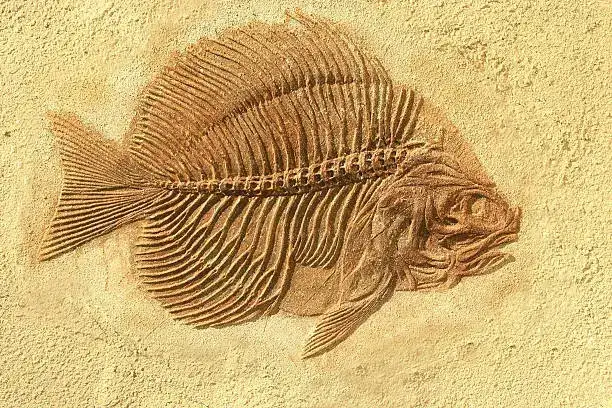
A Discovery That Changes Old Assumptions
For years, the Shivalik region was mainly associated with fossils of land-dwelling animals. However, this new find tells a more complex story. Palaeontologists have identified fossilised remains of freshwater fish, suggesting that the area once supported stable aquatic ecosystems alongside terrestrial life.
The fossils were recovered near Mohand, along the Saharanpur-Dehradun border, and belong to the Pliocene period. This era plays a key role in helping scientists understand how landscapes and climates evolved in the Himalayan foothills.
Rare Gourami Fossil Found in India
One of the most remarkable findings is a fossil linked to a gourami fish, scientifically known as Trichogaster fasciata. This is the first time such a fossil has been discovered in India and only the second recorded instance globally, with the earlier discovery reported from Indonesia.
The identification was made using otoliths, tiny calcium carbonate structures found in a fish’s inner ear. These structures help fish maintain balance and hearing, and their durability allows them to survive as microfossils for millions of years, making them highly valuable for scientific study.
Clues of a Thriving Aquatic Ecosystem
Along with the gourami, palaeontologists also discovered fossils of snakehead fish from the genus Channa and members of the Gobiidae family. These findings came after researchers carefully processed large quantities of sediment collected during fieldwork.
The presence of both predator and prey species indicates a well-developed and balanced aquatic ecosystem. This suggests that the water bodies in the region were stable enough to support a complete food chain.
Reconstructing the Ancient Landscape
The type of fish found provides important clues about the environment of that time. Gourami species are known to prefer calm and still waters, such as lakes and wetlands. This indicates that around 4.5 million years ago, the Shivalik foothills were home to stable freshwater bodies rather than fast-flowing rivers.
The coexistence of multiple fish species also points to dense vegetation surrounding these water bodies, creating a rich and supportive habitat. This challenges earlier beliefs that the region was largely dry and dominated by land-based ecosystems during the Pliocene period.
A Collaborative Scientific Effort
This discovery is the result of collaboration between multiple research institutions, including Doon University, Panjab University, and international organisations. The findings have been published in the peer-reviewed journal Palaeobiodiversity and Palaeoenvironments, adding credibility and global recognition to the research.
Why This Discovery Matters
This finding goes beyond adding a rare fossil to India’s records. It helps palaeontologists better understand how ancient ecosystems in northern India functioned and evolved over time. It also highlights the presence of long-standing freshwater systems and complex food chains in a region once thought to be primarily terrestrial.
As researchers continue to study such discoveries, they bring us closer to understanding the dynamic history of our planet and the environmental changes that have shaped it over millions of years.
A Discovery That Changes Old Assumptions
For years, the Shivalik region was mainly associated with fossils of land-dwelling animals. However, this new find tells a more complex story. Palaeontologists have identified fossilised remains of freshwater fish, suggesting that the area once supported stable aquatic ecosystems alongside terrestrial life. The fossils were recovered near Mohand, along the Saharanpur-Dehradun border, and belong to the Pliocene period. This era plays a key role in helping scientists understand how landscapes and climates evolved in the Himalayan foothills.
Rare Gourami Fossil Found in India
One of the most remarkable findings is a fossil linked to a gourami fish, scientifically known as Trichogaster fasciata. This is the first time such a fossil has been discovered in India and only the second recorded instance globally, with the earlier discovery reported from Indonesia. The identification was made using otoliths, tiny calcium carbonate structures found in a fish’s inner ear. These structures help fish maintain balance and hearing, and their durability allows them to survive as microfossils for millions of years, making them highly valuable for scientific study.
You may also like
- No trace of J&K man picked up by Saudi officials in Dammam: Kin
- Mohsina Kidwai, Congress veteran and former Union minister, passes away at 94
- BMC cuts tree loss by 80% in Malabar Hill tank project
- 'Superlative quality of life': 'Himanta Biswa Sarma flaunts 'New Assam' with Rs 7 lakh crore economy
- 'Bengal model' to fight Type 1 diabetes (T1D) set to go global
Clues of a Thriving Aquatic Ecosystem
Along with the gourami, palaeontologists also discovered fossils of snakehead fish from the genus Channa and members of the Gobiidae family. These findings came after researchers carefully processed large quantities of sediment collected during fieldwork. The presence of both predator and prey species indicates a well-developed and balanced aquatic ecosystem. This suggests that the water bodies in the region were stable enough to support a complete food chain.
Reconstructing the Ancient Landscape
The type of fish found provides important clues about the environment of that time. Gourami species are known to prefer calm and still waters, such as lakes and wetlands. This indicates that around 4.5 million years ago, the Shivalik foothills were home to stable freshwater bodies rather than fast-flowing rivers. The coexistence of multiple fish species also points to dense vegetation surrounding these water bodies, creating a rich and supportive habitat. This challenges earlier beliefs that the region was largely dry and dominated by land-based ecosystems during the Pliocene period.
A Collaborative Scientific Effort
This discovery is the result of collaboration between multiple research institutions, including Doon University, Panjab University, and international organisations. The findings have been published in the peer-reviewed journal Palaeobiodiversity and Palaeoenvironments, adding credibility and global recognition to the research. Why This Discovery Matters
This finding goes beyond adding a rare fossil to India’s records. It helps palaeontologists better understand how ancient ecosystems in northern India functioned and evolved over time. It also highlights the presence of long-standing freshwater systems and complex food chains in a region once thought to be primarily terrestrial. As researchers continue to study such discoveries, they bring us closer to understanding the dynamic history of our planet and the environmental changes that have shaped it over millions of years.






More from our partners


Loving Newspoint? Download the app now
