
Bengaluru Tech Professional Uses AI to Spot Theft, Fires Cook After Catching Her Red-Handed

A Bengaluru tech professional recently made headlines for using artificial intelligence tools to monitor activity in his home and ultimately catch his household cook in the act of stealing fruit. According to reports, the techie had grown suspicious over time when fruit stored in his kitchen cupboard began disappearing without explanation. Rather than confronting the issue directly at first, he opted to set up a smart home-integrated AI monitoring system in his residence.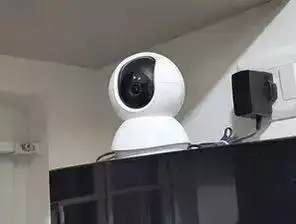
The system was designed to record and analyse movement patterns in real time. By integrating motion-sensing cameras with AI algorithms that can identify specific behaviours or repeated activity in defined zones, the homeowner was able to review footage and receive alerts when movement was detected in areas of interest such as the kitchen storage space. Over several days, the system collected baseline data on normal household traffic and helped distinguish unusual behaviour.
One morning, the AI model flagged a pattern of movement involving the cook entering the kitchen at irregular times and approaching the cupboard where fruit baskets were kept. The software captured multiple instances of her taking fruit and placing it in her bag before leaving the house. The techie reviewed the footage and confirmed that the cook was responsible for taking the food without permission. With the evidence provided by the AI-driven monitoring system, he confronted her and terminated her services immediately.
The use of AI for this purpose reflects a broader trend in how smart surveillance technologies are being adapted for personal use beyond conventional security. While many households install cameras or sensors to deter theft or to monitor infants and pets, the integration of artificial intelligence adds a layer of behavioural analysis. Instead of simply recording video, AI can process patterns, filter out normal activity and highlight anomalies that may need human verification.
Experts note that such systems can be effective for enhancing home security and deterring unwanted behaviour. For example, they can alert homeowners when someone enters a room outside typical hours or when an individual lingers in a sensitive area like a pantry, medicine cabinet or locked drawer. These tools can be especially helpful for people who travel frequently or who employ domestic workers and want to maintain an evidence-based record should issues arise.
However, the incident also raises questions about privacy and ethics when using sophisticated monitoring tools in domestic environments. Privacy advocates caution that while individuals have the right to protect their property, the use of recording technology should be transparent and respect the dignity of household staff. Employers might consider informing domestic workers about the presence of cameras and how they are used, so both parties have clear expectations regarding surveillance.
The Bengaluru techie’s case reflects the growing accessibility of smart home and AI surveillance technologies. Devices that once required specialist installation are now available off the shelf with user-friendly apps, cloud storage and real-time alerts. Many systems allow homeowners to categorise alerts, customise detection zones and integrate voice recognition or facial detection to reduce false alarms.
In this instance, the decision to employ AI tools resulted in clear evidence of theft and enabled the employer to take swift action. For others considering similar systems, experts stress a balance between security and respect for privacy, recommending open communication with household members and clear policies on how recordings are used and stored. Like many technologies, the impact of AI monitoring depends on how thoughtfully it is implemented.
The incident has sparked discussion online, with many users commending the tech-savvy approach while others cautioning against over-surveillance. Regardless of opinion, the story highlights how rapidly advancing technology is reshaping everyday problem-solving in homes and workplaces alike.
The system was designed to record and analyse movement patterns in real time. By integrating motion-sensing cameras with AI algorithms that can identify specific behaviours or repeated activity in defined zones, the homeowner was able to review footage and receive alerts when movement was detected in areas of interest such as the kitchen storage space. Over several days, the system collected baseline data on normal household traffic and helped distinguish unusual behaviour.
One morning, the AI model flagged a pattern of movement involving the cook entering the kitchen at irregular times and approaching the cupboard where fruit baskets were kept. The software captured multiple instances of her taking fruit and placing it in her bag before leaving the house. The techie reviewed the footage and confirmed that the cook was responsible for taking the food without permission. With the evidence provided by the AI-driven monitoring system, he confronted her and terminated her services immediately.
The use of AI for this purpose reflects a broader trend in how smart surveillance technologies are being adapted for personal use beyond conventional security. While many households install cameras or sensors to deter theft or to monitor infants and pets, the integration of artificial intelligence adds a layer of behavioural analysis. Instead of simply recording video, AI can process patterns, filter out normal activity and highlight anomalies that may need human verification.
Experts note that such systems can be effective for enhancing home security and deterring unwanted behaviour. For example, they can alert homeowners when someone enters a room outside typical hours or when an individual lingers in a sensitive area like a pantry, medicine cabinet or locked drawer. These tools can be especially helpful for people who travel frequently or who employ domestic workers and want to maintain an evidence-based record should issues arise.
However, the incident also raises questions about privacy and ethics when using sophisticated monitoring tools in domestic environments. Privacy advocates caution that while individuals have the right to protect their property, the use of recording technology should be transparent and respect the dignity of household staff. Employers might consider informing domestic workers about the presence of cameras and how they are used, so both parties have clear expectations regarding surveillance.
The Bengaluru techie’s case reflects the growing accessibility of smart home and AI surveillance technologies. Devices that once required specialist installation are now available off the shelf with user-friendly apps, cloud storage and real-time alerts. Many systems allow homeowners to categorise alerts, customise detection zones and integrate voice recognition or facial detection to reduce false alarms.
In this instance, the decision to employ AI tools resulted in clear evidence of theft and enabled the employer to take swift action. For others considering similar systems, experts stress a balance between security and respect for privacy, recommending open communication with household members and clear policies on how recordings are used and stored. Like many technologies, the impact of AI monitoring depends on how thoughtfully it is implemented.
The incident has sparked discussion online, with many users commending the tech-savvy approach while others cautioning against over-surveillance. Regardless of opinion, the story highlights how rapidly advancing technology is reshaping everyday problem-solving in homes and workplaces alike.
Next Story