
Delhi Launches Bhu-Aadhaar: Every Land Parcel to Get a 14-Digit Unique ID

In a landmark reform aimed at ending long-standing land disputes, the Delhi Government has announced that every plot of land in the national capital will soon be assigned a 14-digit unique identification number. Known popularly as Bhu-Aadhaar , the system’s official name is the Unique Land Parcel Identification Number (ULPIN).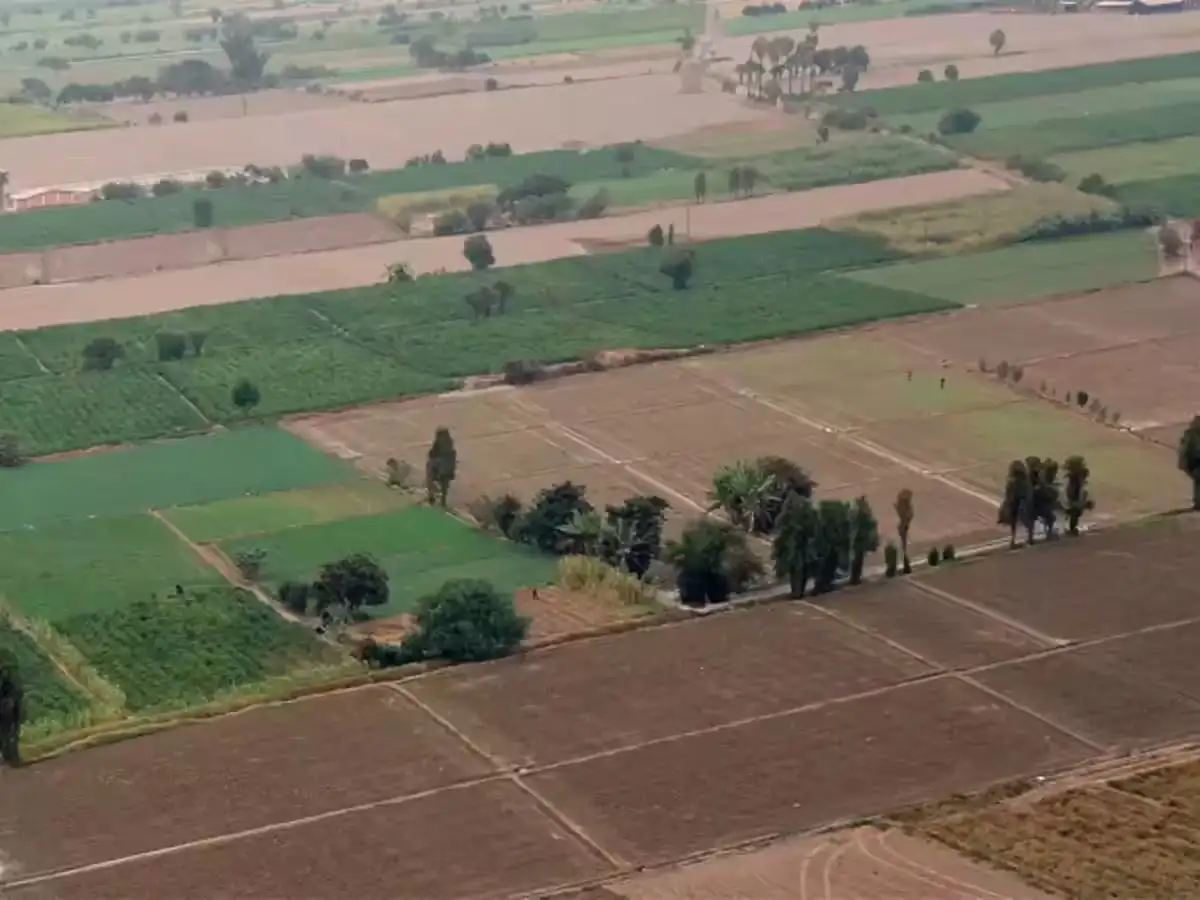
The move is expected to modernise land administration, bring transparency to property ownership, and provide citizens with a reliable digital reference to verify land details an area that has historically caused confusion and conflict.
According to her, the project is a major step towards fulfilling the vision of Digital India, championed by Prime Minister Narendra Modi. “This is not just a number; it is a digital shield against land irregularities,” she noted.
A Long-Pending Reform Finally Takes Shape
The ULPIN project was first introduced by the Centre in 2016 under the Digital India Land Records Modernisation Programme (DILRMP). However, it remained unimplemented in Delhi for years. The current government has now decided to execute it in mission mode, ensuring time-bound and structured implementation.
The responsibility for execution has been assigned to the IT division of the Delhi Revenue Department, with technical support from the Survey of India. The rollout will follow a clear Standard Operating Procedure (SOP) and a phased timeline to ensure accuracy and consistency.
Such disputes often trap citizens in court cases for years. Bhu-Aadhaar aims to eliminate these problems by creating one verified, geo-tagged digital identity for every land parcel, making duplication and manipulation extremely difficult.
How the 14-Digit Land ID Will Be Created
To ensure precision, the government is preparing a comprehensive digital map of Delhi using advanced technology:
Nearly 2 terabytes of geospatial data will be used to generate an accurate, geo-referenced 14-digit ULPIN for each land parcel. This will allow different government departments to share land data seamlessly and help prevent illegal registrations and fraudulent transactions.
Pilot Projects Show Promising Results
The system has already been tested successfully in Tilangpur Kotla village in west Delhi, where 274 ULPIN records were created under a pilot project. Additionally, 48 villages in Delhi have been covered under the Centre’s SVAMITVA scheme, where property cards were issued using drone surveys.
Building on these successes, the Delhi government now plans to extend Bhu-Aadhaar to every locality and village across the capital.
In essence, the 14-digit Bhu-Aadhaar number could become the backbone of Delhi’s land records system bringing long-overdue clarity, security, and digital efficiency to property ownership in the capital.
The move is expected to modernise land administration, bring transparency to property ownership, and provide citizens with a reliable digital reference to verify land details an area that has historically caused confusion and conflict.
CM Rekha Gupta Calls It a Transformational Reform
Chief Minister Rekha Gupta described Bhu-Aadhaar as a powerful digital tool designed to curb land-related fraud and disputes. She said the initiative will help reduce corruption, ensure transparency in property transactions, and simplify land ownership verification.According to her, the project is a major step towards fulfilling the vision of Digital India, championed by Prime Minister Narendra Modi. “This is not just a number; it is a digital shield against land irregularities,” she noted.
A Long-Pending Reform Finally Takes Shape
The ULPIN project was first introduced by the Centre in 2016 under the Digital India Land Records Modernisation Programme (DILRMP). However, it remained unimplemented in Delhi for years. The current government has now decided to execute it in mission mode, ensuring time-bound and structured implementation.You may also like
- Indian American physician-economist appointed acting head of Centres for Disease Control
 SpiceJet receives MoU for 10 aircraft; capacity set to more than double this year
- Tribal villagers clash with authorities over limestone sampling for cement plant in MP
- Supriya Sule, Jay Pawar back Rohit's demand for transparent probe into Ajit Pawar crash
- AI Summit: Bharti Enterprises' Sunil Mittal bets on four sectors for AI-led growth
The responsibility for execution has been assigned to the IT division of the Delhi Revenue Department, with technical support from the Survey of India. The rollout will follow a clear Standard Operating Procedure (SOP) and a phased timeline to ensure accuracy and consistency.
Why Bhu-Aadhaar Is Crucial for Delhi
Land disputes are among the most common legal issues in Delhi. In many cases:- Property boundaries are unclear
- The same land is registered multiple times
- Fraudulent sales take place using forged documents
Such disputes often trap citizens in court cases for years. Bhu-Aadhaar aims to eliminate these problems by creating one verified, geo-tagged digital identity for every land parcel, making duplication and manipulation extremely difficult.
How the 14-Digit Land ID Will Be Created
To ensure precision, the government is preparing a comprehensive digital map of Delhi using advanced technology:- Drone-based surveys
- High-resolution satellite imagery
- Ortho-rectified maps
Nearly 2 terabytes of geospatial data will be used to generate an accurate, geo-referenced 14-digit ULPIN for each land parcel. This will allow different government departments to share land data seamlessly and help prevent illegal registrations and fraudulent transactions.
Pilot Projects Show Promising Results
The system has already been tested successfully in Tilangpur Kotla village in west Delhi, where 274 ULPIN records were created under a pilot project. Additionally, 48 villages in Delhi have been covered under the Centre’s SVAMITVA scheme, where property cards were issued using drone surveys. Building on these successes, the Delhi government now plans to extend Bhu-Aadhaar to every locality and village across the capital.
What This Means for Citizens
Once fully implemented, Bhu-Aadhaar is expected to:- Make land ownership verification quick and reliable
- Reduce court cases related to land disputes
- Prevent duplicate registrations and fraud
- Improve urban planning and governance
- Increase public trust in property transactions
In essence, the 14-digit Bhu-Aadhaar number could become the backbone of Delhi’s land records system bringing long-overdue clarity, security, and digital efficiency to property ownership in the capital.






More from our partners


Loving Newspoint? Download the app now
