Delhi-NCR Air Pollution: AQI Remains In Severe Category, Visibility Drops

A dense blanket of smog covered Delhi-NCR on Sunday morning, sharply reducing visibility and making travel uncomfortable for thousands of commuters. According to the Central Pollution Control Board (CPCB), New Delhi’s Air Quality Index (AQI) stood at 462 at 6 am, placing it firmly in the ‘severe’ category.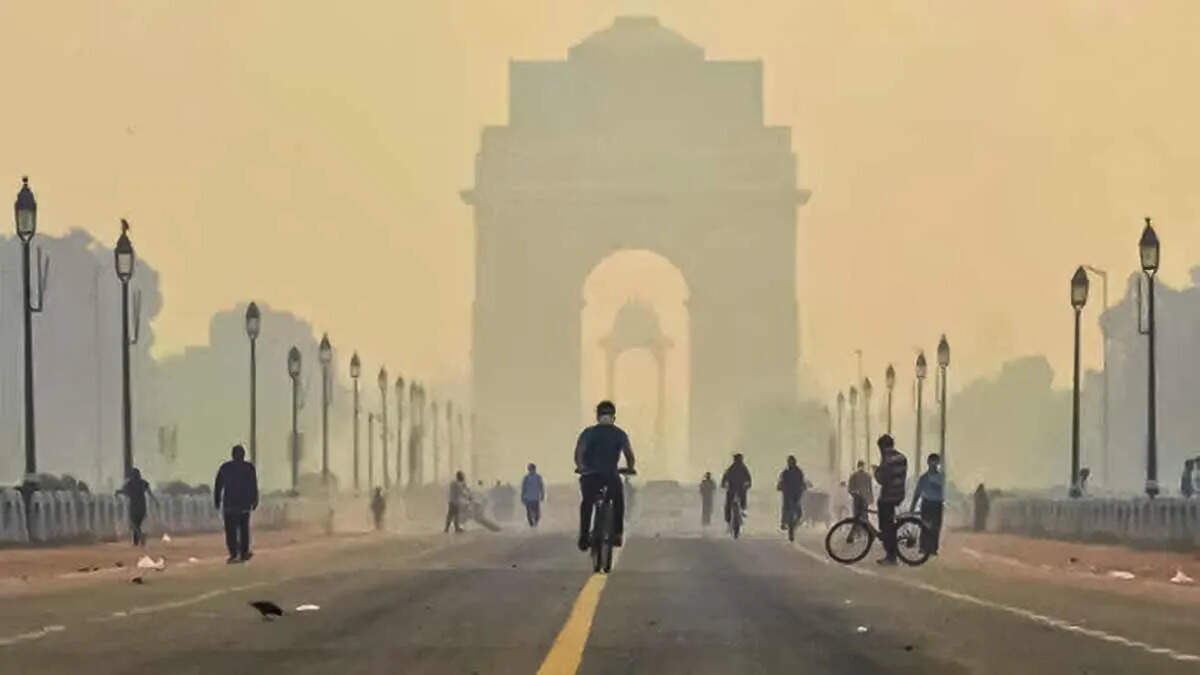
Pollution levels were alarming across the capital, with all 40 air quality monitoring stations turning red. Rohini in northwest Delhi recorded the worst air quality, with an AQI of 499. Jahangirpuri and Vivek Vihar followed closely at 495 each. Visuals from several areas, including the Patparganj stretch of NH-24, showed the city cloaked in dense smog, where AQI was recorded at 488. Similar scenes were reported from the ITO area, where early morning visuals shared by ANI showed extremely poor visibility and an AQI of 484.
Neighbouring cities were also affected. Greater Noida recorded an AQI of 444, while Ghaziabad touched 460, both categorised as ‘severe’. Gurugram reported a comparatively lower AQI of 347, though it still fell in the ‘very poor’ category, indicating unhealthy air for most residents.
“Keeping in view the prevailing trend of air quality and in an effort to prevent further deterioration of air quality in the region, the CAQM Sub-Committee on GRAP decides to invoke all actions as envisaged under Stage-IV of the extant GRAP – ‘Severe+’ Air Quality (DELHI AQI > 450), with immediate effect, in the entire NCR. This is in addition to the actions under Stages I, II & III of extant GRAP already in force in NCR," the order stated.
Pollution levels were alarming across the capital, with all 40 air quality monitoring stations turning red. Rohini in northwest Delhi recorded the worst air quality, with an AQI of 499. Jahangirpuri and Vivek Vihar followed closely at 495 each. Visuals from several areas, including the Patparganj stretch of NH-24, showed the city cloaked in dense smog, where AQI was recorded at 488. Similar scenes were reported from the ITO area, where early morning visuals shared by ANI showed extremely poor visibility and an AQI of 484.
Neighbouring cities were also affected. Greater Noida recorded an AQI of 444, while Ghaziabad touched 460, both categorised as ‘severe’. Gurugram reported a comparatively lower AQI of 347, though it still fell in the ‘very poor’ category, indicating unhealthy air for most residents.
“Keeping in view the prevailing trend of air quality and in an effort to prevent further deterioration of air quality in the region, the CAQM Sub-Committee on GRAP decides to invoke all actions as envisaged under Stage-IV of the extant GRAP – ‘Severe+’ Air Quality (DELHI AQI > 450), with immediate effect, in the entire NCR. This is in addition to the actions under Stages I, II & III of extant GRAP already in force in NCR," the order stated.
Next Story