
GRAP-4 Imposed In Delhi And Surrounding Areas As AQI Breaches 400

Delhi and the surrounding National Capital Region are once again under the toughest pollution restrictions after air quality worsened sharply over the weekend. Authorities moved quickly to reintroduce Stage-IV measures under the Graded Response Action Plan (GRAP) as pollution levels edged closer to the “Severe+” category.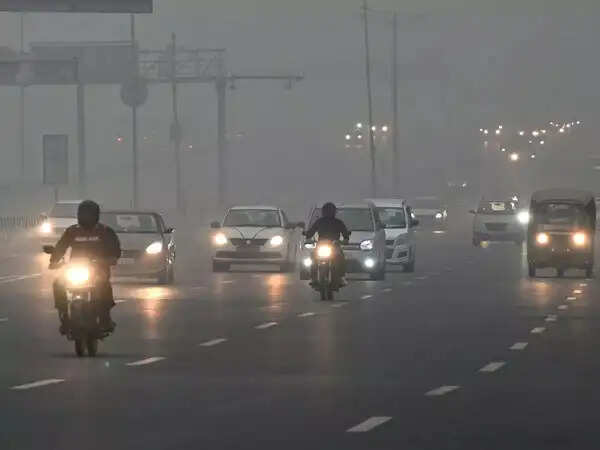
AQI Rises Rapidly Within Hours
Data from the Commission for Air Quality Management (CAQM) showed a worrying spike in pollution levels on Saturday. The AQI stood at 400 around 4 pm but rose to 428 by late evening. Officials blamed highly unfavourable weather conditions, including western disturbance and weak winds, which prevented pollutants from dispersing and trapped toxic air over the region.Why GRAP-4 Was Triggered Early
Despite the AQI not officially crossing 450, the CAQM’s GRAP sub-committee unanimously decided to activate all Stage-IV measures as a precaution. The move was aimed at preventing further deterioration and avoiding prolonged exposure to hazardous air quality across Delhi-NCR.Understanding GRAP Categories
Under the GRAP framework, air quality is divided into four stagesvPoor (AQI 201–300), Very Poor (301–400), Severe (401–450), and Severe+ (above 450). GRAP-4 represents the most stringent response and is reserved for emergency-level pollution situations.Vehicle Curbs And Entry Bans Return
With GRAP-4 in force, a key restriction brought back is the ban on non-BS-VI vehicles entering Delhi, including petrol vehicles, unless they are registered in the capital. The entry of non-essential trucks has also been stopped, with exemptions for vehicles carrying essential goods or running on cleaner fuels such as CNG, LNG, electric, or BS-VI diesel.Construction Activities Completely Halted
All construction and demolition activities have been suspended, including major public infrastructure projects such as highways, flyovers, roads, power transmission lines, and pipelines. The aim is to cut down on dust and emissions during the peak pollution period.Schools, Offices May Shift To Reduced Mode
To protect vulnerable groups, authorities may shift physical classes for students in Classes VI to IX and XI to online mode, while Classes X and XII are usually exempted to avoid disruption to board examinations. Offices across Delhi-NCR have been advised to operate with at least 50% staff working from home and to introduce staggered work timings.More Emergency Measures On The Table
State governments retain the option to introduce stricter steps if pollution levels fail to improve. These may include closing colleges, suspending non-essential commercial activities, or implementing odd-even vehicle schemes. The central government may also consider work-from-home measures for its employees.Next Story