
Why Mysore Silk Sarees Are Selling Like Luxury Icons in India in 2026

In recent years, Mysore silk sarees have moved beyond being traditional wardrobe staples to become highly prized fashion items. In 2026, this trend appears to have strengthened considerably, with many shoppers queuing outside stores early in the morning to buy these iconic garments. The dramatic demand reflects how cultural heritage and modern fashion sensibilities are blending in India today.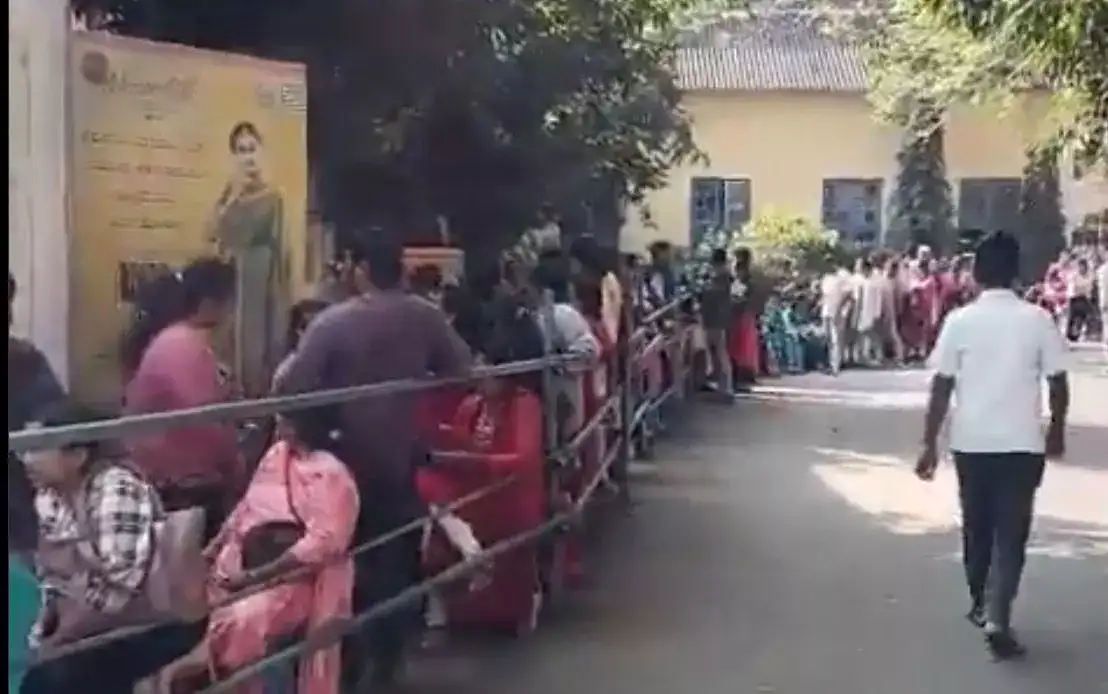
Mysore silk has a long and respected history rooted in craftsmanship and royal patronage. The fabric is known for its rich texture, lustrous sheen and intricate zari work. Unlike mass-produced textiles, genuine Mysore silk is made from pure mulberry silk and hand-applied gold-coloured threads, giving it a unique combination of softness and elegance. These qualities have traditionally made the sarees a favourite choice for weddings, festivals and other major life events.
However, the way people are approaching Mysore silk sarees in 2026 suggests that they are increasingly seen as investment pieces rather than merely ceremonial attire. Much like buyers might queue up for a luxury handbag or a limited-edition designer item, customers in several cities have been spotted lining up outside boutiques before 4 a.m. to secure sarees when new collections are released. The early morning rush captures the intensity of demand and the excitement that surrounds certain premium designs.
Fashion observers attribute this surge to several factors. There is a growing appreciation for artisanal and heritage crafts among younger consumers who are looking to balance contemporary style with cultural roots. Celebrity endorsements and social media visibility are also playing a role, as influencers and style icons showcase Mysore silk sarees in modern looks that appeal to younger demographics. This visibility has helped shift perceptions, making traditional woven garments aspirational beyond traditional contexts.
Another contributor to the increased demand is the way designers are reimagining Mysore silk for modern wardrobes. Contemporary designers are blending traditional weaving techniques with updated colour palettes, innovative blouses and fusion silhouettes. These design evolutions make the sarees suitable not just for weddings and festivals but also for upscale events and fashion statements in urban settings. The result is a broader appeal that cuts across age groups and regional preferences.
Economically, the rise in popularity also benefits silk weavers and artisans. Mysore silk production supports skilled craftsmen whose families have passed down techniques through generations. The renewed interest and willingness to pay premium prices for high-quality sarees help sustain these traditional industries. Retailers and designers, in turn, are investing in storytelling around craftsmanship, emphasizing the time, skill and heritage behind each piece.
While some critics raise concerns about exclusivity and pricing inflating beyond reach for everyday buyers, supporters argue that the renewed interest in Mysore silk enhances respect for India’s textile heritage. Many customers see these sarees as legacy pieces that will be passed down through families, much like heirloom jewellery or antique furniture.
The enthusiasm for Mysore silk also reflects larger trends in Indian fashion, where heritage textiles like Banarasi, Kanjivaram and Chanderi have all seen renewed attention in recent years. As consumers increasingly seek authenticity and craftsmanship in their purchases, garments that embody cultural history and artisanal skill are becoming fashion investments.
Overall, the 2026 surge in demand for Mysore silk sarees highlights how traditional craft can find new life in contemporary markets. For many shoppers in India, a Mysore silk saree today is not just clothing. It is a treasured piece of cultural identity, a wearable work of art and, for some, a symbol of pride and personal style.
Mysore silk has a long and respected history rooted in craftsmanship and royal patronage. The fabric is known for its rich texture, lustrous sheen and intricate zari work. Unlike mass-produced textiles, genuine Mysore silk is made from pure mulberry silk and hand-applied gold-coloured threads, giving it a unique combination of softness and elegance. These qualities have traditionally made the sarees a favourite choice for weddings, festivals and other major life events.
However, the way people are approaching Mysore silk sarees in 2026 suggests that they are increasingly seen as investment pieces rather than merely ceremonial attire. Much like buyers might queue up for a luxury handbag or a limited-edition designer item, customers in several cities have been spotted lining up outside boutiques before 4 a.m. to secure sarees when new collections are released. The early morning rush captures the intensity of demand and the excitement that surrounds certain premium designs.
Fashion observers attribute this surge to several factors. There is a growing appreciation for artisanal and heritage crafts among younger consumers who are looking to balance contemporary style with cultural roots. Celebrity endorsements and social media visibility are also playing a role, as influencers and style icons showcase Mysore silk sarees in modern looks that appeal to younger demographics. This visibility has helped shift perceptions, making traditional woven garments aspirational beyond traditional contexts.
Another contributor to the increased demand is the way designers are reimagining Mysore silk for modern wardrobes. Contemporary designers are blending traditional weaving techniques with updated colour palettes, innovative blouses and fusion silhouettes. These design evolutions make the sarees suitable not just for weddings and festivals but also for upscale events and fashion statements in urban settings. The result is a broader appeal that cuts across age groups and regional preferences.
Economically, the rise in popularity also benefits silk weavers and artisans. Mysore silk production supports skilled craftsmen whose families have passed down techniques through generations. The renewed interest and willingness to pay premium prices for high-quality sarees help sustain these traditional industries. Retailers and designers, in turn, are investing in storytelling around craftsmanship, emphasizing the time, skill and heritage behind each piece.
While some critics raise concerns about exclusivity and pricing inflating beyond reach for everyday buyers, supporters argue that the renewed interest in Mysore silk enhances respect for India’s textile heritage. Many customers see these sarees as legacy pieces that will be passed down through families, much like heirloom jewellery or antique furniture.
The enthusiasm for Mysore silk also reflects larger trends in Indian fashion, where heritage textiles like Banarasi, Kanjivaram and Chanderi have all seen renewed attention in recent years. As consumers increasingly seek authenticity and craftsmanship in their purchases, garments that embody cultural history and artisanal skill are becoming fashion investments.
Overall, the 2026 surge in demand for Mysore silk sarees highlights how traditional craft can find new life in contemporary markets. For many shoppers in India, a Mysore silk saree today is not just clothing. It is a treasured piece of cultural identity, a wearable work of art and, for some, a symbol of pride and personal style.
Next Story