
Why Noida’s Workers Want Salaries On Par With Haryana

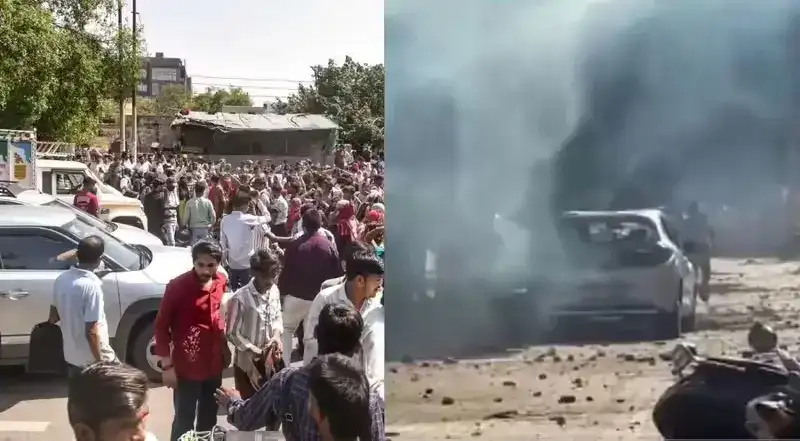
Wage Gap Became The Biggest Trigger
The biggest reason behind the protest was the widening wage gap between Noida and neighbouring Haryana. Workers in Noida have been increasingly upset over the sharp rise in minimum wages announced in Haryana, where monthly salaries reportedly moved from around Rs 14,000 to Rs 19,000.In comparison, many workers in Uttar Pradesh’s industrial clusters continue to earn nearly Rs 13,000 a month. This visible difference has become a major source of anger, especially for factory workers who often perform similar jobs in neighbouring regions.
For many protesters, the issue is no longer only about a salary increase. It is also about fairness, dignity and equal treatment in one of the country’s most important manufacturing corridors.
Long-Pending Demands Added To The Anger
The protest was also fuelled by frustration over unresolved labour concerns beyond wages. Workers have been demanding overtime compensation at double rates, annual bonuses, weekly holidays, better workplace safety and a stronger system to address complaints.Although the district administration had recently held discussions with labour officials and assured workers that their concerns would be addressed, many employees felt that progress on the ground remained too slow. This perceived delay appears to have deepened mistrust and pushed the protest towards confrontation.
Small groups from multiple industrial units, especially in the Hosiery Complex area, had gathered to press for salary revisions. As emotions ran high, the demonstration gradually lost its peaceful character.
Manesar Spillover And A Wider Labour Pattern
The timing of the Noida violence is significant because it came shortly after similar unrest in Manesar’s industrial area. There too, workers had raised concerns over wages and working conditions, and the agitation eventually turned violent.The similarity in demands points to a wider trend across industrial hubs in north India. Rising living costs, stagnant wages and stronger awareness of labour rights are making workers more vocal than before.
Many employees now compare pay structures across state borders, and this growing awareness is intensifying pressure on local administrations and industrial managements.
Traffic Chaos And Push To Restore Normalcy
The immediate fallout of the protest was severe disruption to traffic and public movement. Road blockades in key stretches near industrial sectors led to long delays, affecting office-goers, transport vehicles and factory operations.Authorities have since increased deployment across sensitive industrial pockets and are monitoring the situation closely. The administration is now focusing on dialogue with worker groups to prevent further escalation.
The violence may have been contained for now, but the incident has exposed a deeper labour crisis. Unless wage concerns and workplace issues are addressed quickly, such protests may continue to spill over across major industrial cities.
Next Story