
A Thailand trip right now might not be the best idea


Tourists arriving in Thailand during the election period may face an unexpected restriction that can affect their holiday plans, especially when dining out. Bangkok restaurateur Sorathep Steve said he was told off last Saturday by customers who had just flown in from the United States and ordered a bottle of wine, only to learn that alcohol sales were banned due to election rules.
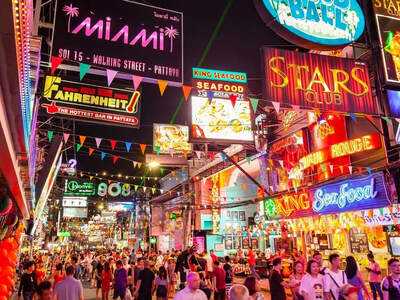
Under Thai law, it is illegal to sell, pay for, or give away alcoholic drinks during two 24-hour windows linked to voting. The first restriction was enforced during advance voting last Saturday, while the second will begin at 6 pm on Saturday ahead of the general election the following day. The long-standing rule aims to prevent vote-buying and maintain public order, according to the Election Commission.
ALSO READ: What to know about Thailand's election as economic growth slows, nationalism rises
The curbs have started to affect the experience of international tourists, who make up a large share of customers at restaurants and bars. “Sales dropped by 50% during the ban for early voting,” Mr Sorathep, who runs five restaurants in Bangkok, told Reuters, adding that foreign tourists account for about half of his clientele.
Thailand remains a major tourism destination known for its beaches and relaxed atmosphere, but international arrivals fell 7.2% last year to 33 million visitors after floods, an earthquake, and a border conflict with Cambodia. Businesses that depend on tourism say election-linked dry days during the busy January travel season can affect visitor spending and create confusion for travellers unfamiliar with local rules.
ALSO READ: Thailand sees rising Indian tourist arrivals despite Nipah virus concerns
Industry experts warn that repeated disruptions during peak travel months could influence how tourists view the destination. “Repeated disruptions during peak season risk redefining Thailand from a seamless holiday destination into an unpredictable one, and that perception is far harder to reverse than any short-term revenue loss,” said Bill Barnett of C9 Hotelworks, noting the importance of repeat visitors.
On the resort island of Phuket, restaurant and bar owner Benny De Bellis said his revenue fell 30% during the advance voting weekend. “We proactively communicated with guests, including explaining the situation to walk-in customers,” he said, adding that his venues put up signage to avoid confusion. He expects revenue could drop by up to 50% during the election period.
Another restaurant on the island, Mrs B Bar & Table, is preparing for a sharper impact. Owner Sumitha Soorian said bar sales could plunge by 90% next weekend as the restrictions come into force.
(With inputs from Reuters)
Under Thai law, it is illegal to sell, pay for, or give away alcoholic drinks during two 24-hour windows linked to voting. The first restriction was enforced during advance voting last Saturday, while the second will begin at 6 pm on Saturday ahead of the general election the following day. The long-standing rule aims to prevent vote-buying and maintain public order, according to the Election Commission.
ALSO READ: What to know about Thailand's election as economic growth slows, nationalism rises
The curbs have started to affect the experience of international tourists, who make up a large share of customers at restaurants and bars. “Sales dropped by 50% during the ban for early voting,” Mr Sorathep, who runs five restaurants in Bangkok, told Reuters, adding that foreign tourists account for about half of his clientele.
Thailand remains a major tourism destination known for its beaches and relaxed atmosphere, but international arrivals fell 7.2% last year to 33 million visitors after floods, an earthquake, and a border conflict with Cambodia. Businesses that depend on tourism say election-linked dry days during the busy January travel season can affect visitor spending and create confusion for travellers unfamiliar with local rules.
ALSO READ: Thailand sees rising Indian tourist arrivals despite Nipah virus concerns
Industry experts warn that repeated disruptions during peak travel months could influence how tourists view the destination. “Repeated disruptions during peak season risk redefining Thailand from a seamless holiday destination into an unpredictable one, and that perception is far harder to reverse than any short-term revenue loss,” said Bill Barnett of C9 Hotelworks, noting the importance of repeat visitors.
On the resort island of Phuket, restaurant and bar owner Benny De Bellis said his revenue fell 30% during the advance voting weekend. “We proactively communicated with guests, including explaining the situation to walk-in customers,” he said, adding that his venues put up signage to avoid confusion. He expects revenue could drop by up to 50% during the election period.
Another restaurant on the island, Mrs B Bar & Table, is preparing for a sharper impact. Owner Sumitha Soorian said bar sales could plunge by 90% next weekend as the restrictions come into force.
(With inputs from Reuters)
Next Story