GK: Which Country Is Known As The Land Of Forests & Why It Matters Today

In a world where shrinking green cover has become a growing concern, one country stands out for preserving its forests on an extraordinary scale. Suriname, a small nation in South America, is widely recognised as the land of forests due to the vast proportion of its land covered by natural woodland. With forests dominating nearly the entire landscape, the country has gained global attention for its environmental significance, biodiversity and role in climate stability. This unique distinction places Suriname among the most forest-rich nations in the world.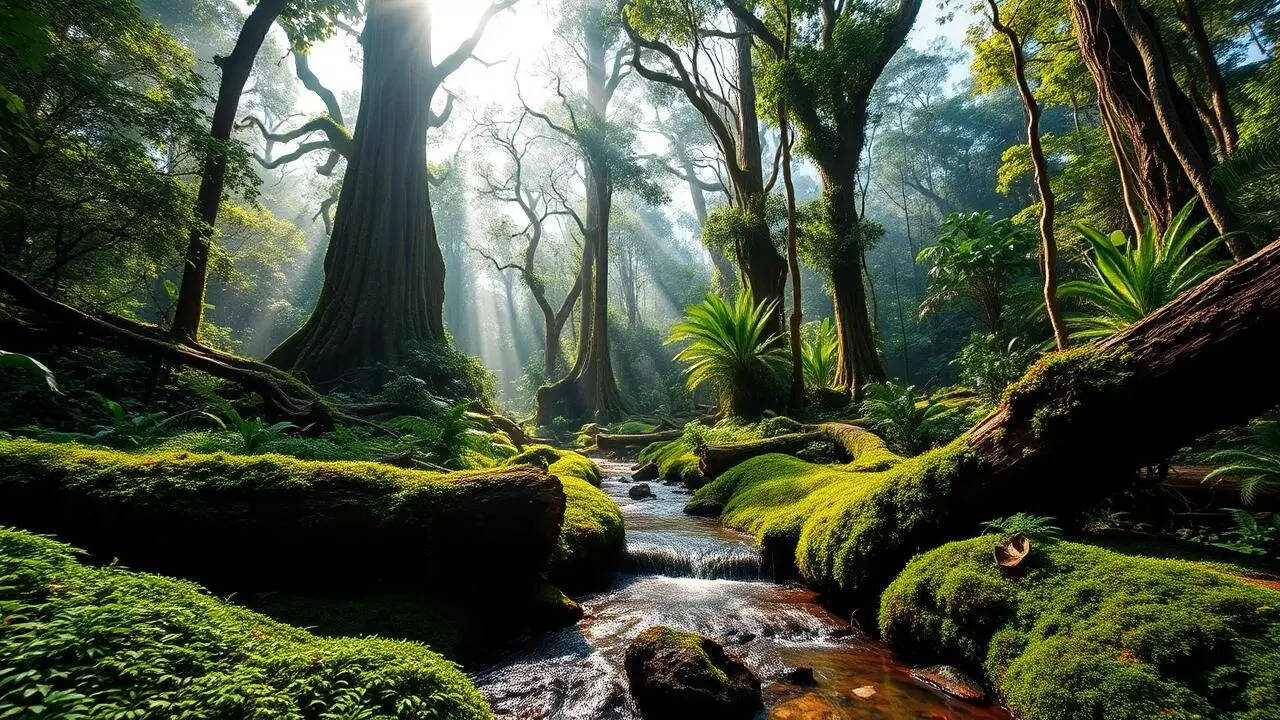
The country’s population is concentrated along its northern coast, leaving the vast interior largely untouched. This geographic pattern has helped protect forest ecosystems from large-scale deforestation, allowing them to remain largely intact over decades.
Suriname’s rainforest is home to a wide range of plant and animal species, many of which are rare or endangered. The forest also supports Indigenous communities who rely on natural resources for their livelihoods while practising sustainable living traditions that help preserve the ecosystem.
This environmental balance has positioned Suriname as an important voice in global discussions on climate change and sustainable development. Its forests are not just a national asset but a global one, contributing to ecological stability far beyond its borders.
Suriname’s distinction lies in how deeply forests define its geography, economy and identity. Few countries have managed to maintain such extensive forest coverage while balancing modern development needs.
Why Suriname Is Called The Land Of Forests
Suriname earns the title of the land of forests because approximately 93 per cent of its total land area is covered by dense tropical rainforest . This is the highest forest cover percentage recorded by any country globally. Unlike many regions where forests have been cleared for urban expansion or farming, Suriname has retained much of its natural vegetation.The country’s population is concentrated along its northern coast, leaving the vast interior largely untouched. This geographic pattern has helped protect forest ecosystems from large-scale deforestation, allowing them to remain largely intact over decades.
The Importance Of Suriname’s Forest Cover
The forests of Suriname are part of the larger Amazon rainforest system, one of the most vital ecological zones on the planet. These forests play a crucial role in absorbing carbon dioxide, regulating rainfall patterns and supporting wildlife.Suriname’s rainforest is home to a wide range of plant and animal species, many of which are rare or endangered. The forest also supports Indigenous communities who rely on natural resources for their livelihoods while practising sustainable living traditions that help preserve the ecosystem.
You may also like
- Boosted my confidence, want to achieve more: Manipur entrepreneur on being named in 'Mann Ki Baat'
- RSS never considered anyone its enemy, worked with goodwill: MP Minister Prahlad Singh Patel
- PMK leadership rift deepens as G.K. Mani hits out at Anbumani Ramadoss
- We want Assam Chief Minister to conduct caste census: Congress MP Gaurav Gogoi on Congress Foundation Day
- His screen presence is more than enough: Prabhas on working with Sanjay Dutt
Forest Conservation And Environmental Responsibility
Suriname’s forest protection efforts go beyond natural advantage. The country has adopted policies aimed at conserving its green cover while limiting deforestation. It is among the few nations that absorb more carbon emissions than they produce, making it a natural carbon sink.This environmental balance has positioned Suriname as an important voice in global discussions on climate change and sustainable development. Its forests are not just a national asset but a global one, contributing to ecological stability far beyond its borders.
How Suriname Compares With Other Forest-Rich Countries
While Suriname leads the world in forest cover by percentage, other countries dominate in total forest area. Nations such as Russia, Brazil and Canada have larger forest expanses in absolute terms, but their forest cover makes up a smaller share of their overall land area.Suriname’s distinction lies in how deeply forests define its geography, economy and identity. Few countries have managed to maintain such extensive forest coverage while balancing modern development needs.
The Future Of The Land Of Forests
Despite its success, Suriname faces ongoing challenges, including illegal mining and pressure to expand economic activities. Maintaining its forests while pursuing growth remains a delicate task. However, the country’s commitment to protecting its natural environment continues to set an example for forest conservation worldwide.





More from our partners


Loving Newspoint? Download the app now
