
India’s First Metagenomic Study Reveals Antibiotic Resistance In Urban Drinking Water

In a landmark scientific development, researchers from the Zoological Survey of India (ZSI), Kolkata, and the Indian Institute of Technology Madras (IIT-M) have released India’s first comprehensive metagenomic profile of municipal drinking water. The study delivers the country’s first national dataset connecting urban drinking-water metagenomes to global antimicrobial resistance (AMR) surveillance, effectively mapping resistance pathways before they reach clinical or agricultural systems. The findings shed light on microbial diversity and antibiotic resistance genes, strengthening India’s One Health framework that integrates human, animal and environmental health.

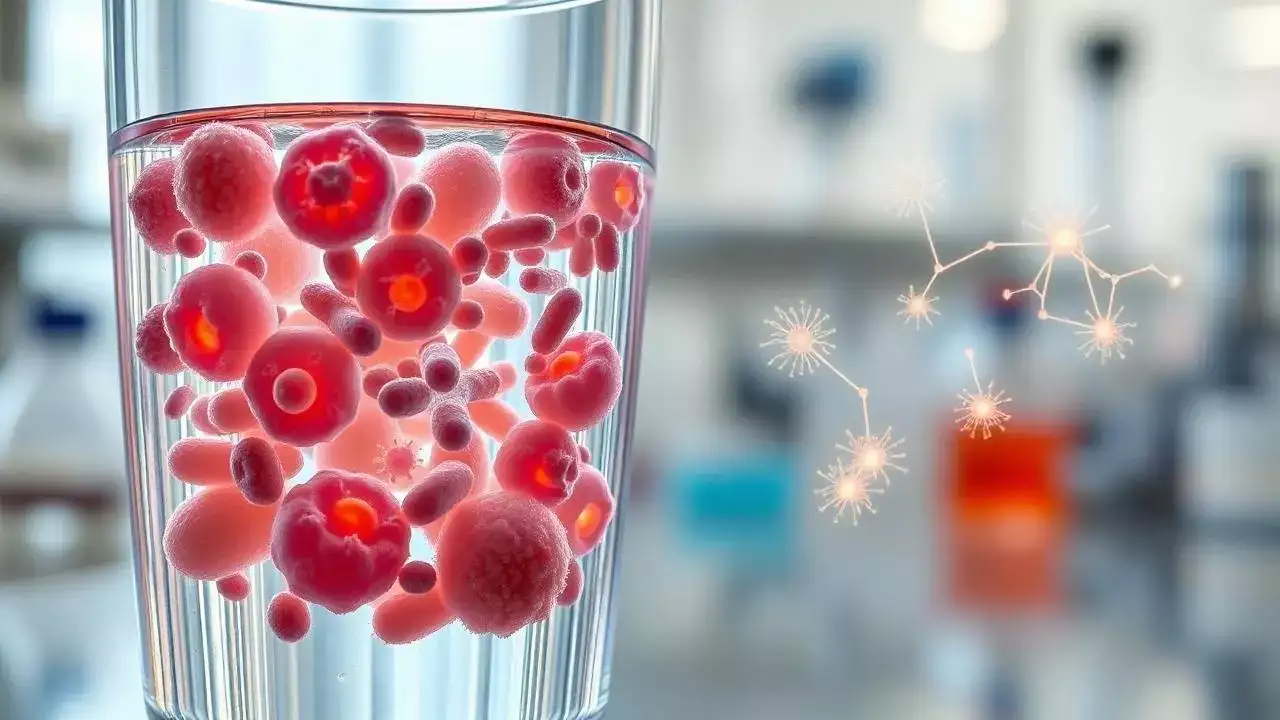
The research offers an in-depth look at microbial communities, identifying both beneficial and opportunistic bacteria. It also detects traces of antimicrobial resistance genes (ARGs) such as adeF and ermR, which are linked to multidrug resistance. By combining genomic insights with water-quality analysis, the project builds a new foundation for environmental health monitoring.

This connection strengthens India’s commitment to the One Health approach, which recognises the interdependence of people, animals, and ecosystems. The research supports national efforts to integrate microbial surveillance with existing water-safety and public-health programmes.


Dr Inderjeet Tyagi, Scientist at ZSI and study co-supervisor, said, “Water connects humans, animals, and the environment — the three pillars of the Government of India’s One Health Mission. Our study provides the environmental-health evidence base necessary for integrating microbiome monitoring into One Health frameworks.” He stated that the findings align with national missions such as the Jal Jeevan Mission, Swachh Bharat Mission, and the National Action Plan on Antimicrobial Resistance (NAP-AMR).
Prof Karthik Raman of IIT-Madras said, “Through metagenomic analysis, we can detect thousands of microbial species and potential ARGs in a single run, supporting early-warning systems for antimicrobial resistance and water-borne infections.”
Comprehensive Study on Water Microbiomes
Published in the Journal of Environmental Chemical Engineering (Elsevier), the study titled “Metagenomic profiling of municipal drinking water microbiomes in an Indian city: Insights into diversity, water quality, and AMR potential” marks a major milestone for India. It applies metagenomic sequencing to municipal water for the first time, moving beyond conventional culture-based testing methods.The research offers an in-depth look at microbial communities, identifying both beneficial and opportunistic bacteria. It also detects traces of antimicrobial resistance genes (ARGs) such as adeF and ermR, which are linked to multidrug resistance. By combining genomic insights with water-quality analysis, the project builds a new foundation for environmental health monitoring.
Linking AMR to One Health Goals
The study highlights the growing concern of antimicrobial resistance genes in aquatic systems, where they can circulate between humans, animals, and the environment. By tracing resistance gene patterns across urban water networks, researchers have connected local microbiomes with global AMR surveillance databases for the first time in India.This connection strengthens India’s commitment to the One Health approach, which recognises the interdependence of people, animals, and ecosystems. The research supports national efforts to integrate microbial surveillance with existing water-safety and public-health programmes.
Expert Observations
Dr Vikas Kumar, Scientist-E at ZSI and Principal Investigator of the project, said, “This is the first time in India that metagenomic sequencing has been applied to public drinking-water systems to understand microbial ecology, antibiotic-resistance profiles, and their environmental drivers. Our findings provide baseline data crucial for integrating microbial surveillance into national water-safety programmes.” He added that even treated water harbours diverse microbial life influenced by temperature and water distribution factors.Dr Inderjeet Tyagi, Scientist at ZSI and study co-supervisor, said, “Water connects humans, animals, and the environment — the three pillars of the Government of India’s One Health Mission. Our study provides the environmental-health evidence base necessary for integrating microbiome monitoring into One Health frameworks.” He stated that the findings align with national missions such as the Jal Jeevan Mission, Swachh Bharat Mission, and the National Action Plan on Antimicrobial Resistance (NAP-AMR).
Prof Karthik Raman of IIT-Madras said, “Through metagenomic analysis, we can detect thousands of microbial species and potential ARGs in a single run, supporting early-warning systems for antimicrobial resistance and water-borne infections.”
Next Story