
Thirdhand Smoke: The Invisible Health Hazard Threatening Kids and the Elderly

While the dangers of active smoking and secondhand smoke are well known, a less visible but equally harmful risk lurks in homes and indoor spaces: thirdhand smoke . This invisible hazard refers to the toxic residue left behind on surfaces and dust after tobacco smoke has cleared, silently affecting non-smokers - particularly children and the elderly.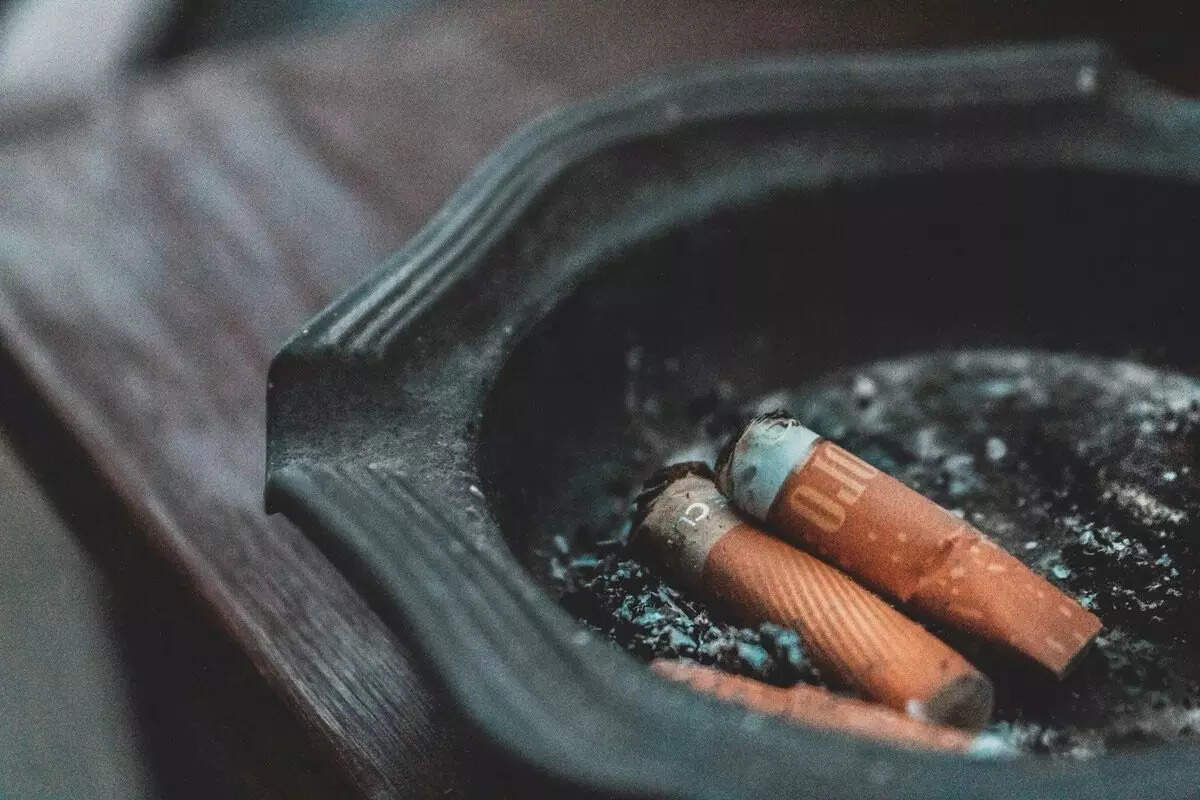
What is Thirdhand Smoke?
Thirdhand smoke occurs when cigarette smoke dissipates but leaves behind particles and chemical residues on furniture, clothing, carpets, walls, and other indoor surfaces. These harmful chemicals can persist for weeks or even months after smoking stops. Moreover, they don’t remain inert; they react with other indoor pollutants to form new toxic compounds that may be even more dangerous than the original substances.
How Thirdhand Smoke Differs From Secondhand Smoke
Medical experts explain that unlike secondhand smoke, which involves directly inhaling smoke present in the air, thirdhand smoke enters the body more slowly. Exposure happens through skin contact, ingestion of contaminated dust, or inhalation of re-emitted particles. Although less obvious, this exposure is continuous and long-lasting. Its stealthy nature makes thirdhand smoke a significant contributor to indoor air pollution , especially in private homes and small living spaces with smokers.
Who is Most at Risk?
The most vulnerable groups are young children and older adults, whose developing or weakened immune and respiratory systems make them especially susceptible. Children often play on floors and touch surfaces before putting their hands or objects into their mouths, increasing their risk of exposure. This can lead to recurrent coughs, asthma flare-ups, ear infections, and chest infections - even without direct smoke inhalation.
Pregnant women exposed repeatedly to thirdhand smoke face higher risks of low birth weight, preterm delivery, and impaired lung development in babies. For elderly individuals, especially those with pre-existing heart and lung conditions, long-term exposure can worsen breathlessness, trigger chronic obstructive pulmonary disease (COPD) exacerbations, and increase cardiovascular stress. Additionally, some tobacco residues contain carcinogens and heavy metals capable of disrupting DNA, thereby elevating cancer risk over time.
The Growing Concern in India and Beyond
Despite the clear health risks, awareness of thirdhand smoke remains low in many countries, including India - the second-largest consumer and producer of tobacco products worldwide. In crowded urban homes and multi-generational living spaces, where smokers may smoke outdoors but bring residues indoors on their clothes and belongings, thirdhand smoke exposure is common and insidious.
Some regions have started to address this hidden hazard through legislation. For example, California’s Assembly Bill 455 requires sellers to disclose any known thirdhand smoke residue in homes during property transactions. This pioneering law recognizes thirdhand smoke as a serious public health concern.
How to Protect Your Family from Thirdhand Smoke
The only foolproof way to prevent thirdhand smoke exposure is to eliminate indoor smoking entirely. Families are encouraged to adopt smoke-free home and car policies, urge smokers to wash and change clothes before close contact with vulnerable individuals, and maintain regular cleaning of surfaces. While hygiene practices alone cannot completely remove thirdhand smoke, they help significantly reduce exposure.
Thirdhand smoke is a hidden, persistent hazard that lingers long after the last cigarette is extinguished. However, with increased awareness, behavioural changes, and stronger smoke-free policies, families can dramatically lower the risks and protect those most vulnerable to this silent indoor threat.
What is Thirdhand Smoke?
Thirdhand smoke occurs when cigarette smoke dissipates but leaves behind particles and chemical residues on furniture, clothing, carpets, walls, and other indoor surfaces. These harmful chemicals can persist for weeks or even months after smoking stops. Moreover, they don’t remain inert; they react with other indoor pollutants to form new toxic compounds that may be even more dangerous than the original substances.
How Thirdhand Smoke Differs From Secondhand Smoke
Medical experts explain that unlike secondhand smoke, which involves directly inhaling smoke present in the air, thirdhand smoke enters the body more slowly. Exposure happens through skin contact, ingestion of contaminated dust, or inhalation of re-emitted particles. Although less obvious, this exposure is continuous and long-lasting. Its stealthy nature makes thirdhand smoke a significant contributor to indoor air pollution , especially in private homes and small living spaces with smokers.
Who is Most at Risk?
The most vulnerable groups are young children and older adults, whose developing or weakened immune and respiratory systems make them especially susceptible. Children often play on floors and touch surfaces before putting their hands or objects into their mouths, increasing their risk of exposure. This can lead to recurrent coughs, asthma flare-ups, ear infections, and chest infections - even without direct smoke inhalation.
Pregnant women exposed repeatedly to thirdhand smoke face higher risks of low birth weight, preterm delivery, and impaired lung development in babies. For elderly individuals, especially those with pre-existing heart and lung conditions, long-term exposure can worsen breathlessness, trigger chronic obstructive pulmonary disease (COPD) exacerbations, and increase cardiovascular stress. Additionally, some tobacco residues contain carcinogens and heavy metals capable of disrupting DNA, thereby elevating cancer risk over time.
The Growing Concern in India and Beyond
Despite the clear health risks, awareness of thirdhand smoke remains low in many countries, including India - the second-largest consumer and producer of tobacco products worldwide. In crowded urban homes and multi-generational living spaces, where smokers may smoke outdoors but bring residues indoors on their clothes and belongings, thirdhand smoke exposure is common and insidious.
Some regions have started to address this hidden hazard through legislation. For example, California’s Assembly Bill 455 requires sellers to disclose any known thirdhand smoke residue in homes during property transactions. This pioneering law recognizes thirdhand smoke as a serious public health concern.
How to Protect Your Family from Thirdhand Smoke
The only foolproof way to prevent thirdhand smoke exposure is to eliminate indoor smoking entirely. Families are encouraged to adopt smoke-free home and car policies, urge smokers to wash and change clothes before close contact with vulnerable individuals, and maintain regular cleaning of surfaces. While hygiene practices alone cannot completely remove thirdhand smoke, they help significantly reduce exposure.
Thirdhand smoke is a hidden, persistent hazard that lingers long after the last cigarette is extinguished. However, with increased awareness, behavioural changes, and stronger smoke-free policies, families can dramatically lower the risks and protect those most vulnerable to this silent indoor threat.
Next Story