
Which Country Tops The World In Green Chilli Production And Why It Matters To The Global Spice Trade

India’s Dominance In Green Chilli Production Explained Through Climate, Scale And Spice Culture: Green chillies are among the most widely used ingredients across global cuisines, prized for their sharp heat and unmistakable aroma. From humble roadside meals to refined restaurant dishes, they bring depth and vibrancy to countless recipes. Behind their fiery presence lies a vast agricultural network that sustains year-round demand. While several nations cultivate chillies, one country stands significantly ahead in total output, shaping both domestic consumption and the global spice trade in a remarkable way.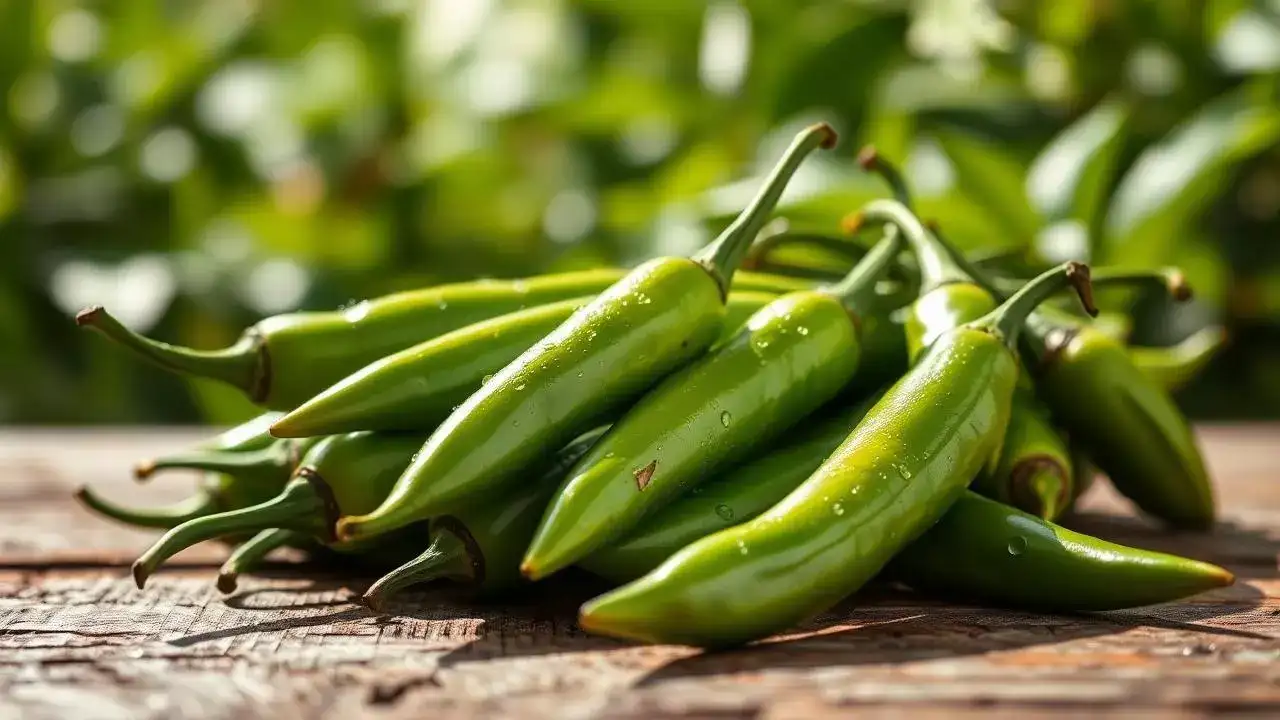
Green chillies form an essential part of daily cooking in Indian households. This consistent demand ensures steady production throughout the year. At the same time, international buyers rely on India spice market networks for both fresh and processed chilli varieties.
In many regions, fertile soil rich in organic matter further enhances productivity. Well-drained land supports healthy root systems, while balanced irrigation improves yield and pungency. Because of these natural advantages, farmers in different parts of the country can grow chillies across multiple seasons, ensuring consistent availability in markets.
In recent years, improved irrigation systems and access to better seed varieties have further boosted output. Agricultural support programmes and advancements in farming methods have helped increase efficiency. These developments have strengthened India’s role in the global spice trade, ensuring that supply remains stable even as demand rises.
Each region often focuses on specific varieties suited to local climate and soil characteristics. This regional specialisation not only improves yield but also enhances the range of chillies available in domestic and export markets.
This range allows producers to cater to varied consumer preferences, both within the country and abroad. The adaptability of crops to different soil and climate conditions further supports diversified production. As a result, India spice market exports appeal to buyers seeking specific flavour profiles and heat levels.
The economic impact of green chilli production extends beyond farming. It generates employment across rural communities, including traders, transporters and workers in processing units. This widespread participation makes chilli cultivation an important component of Indian agriculture .
As global interest in bold flavours continues to grow, India’s dominance in green chilli production reinforces its status as a central player in the global spice trade. With favourable climate conditions, experienced farmers and strong domestic demand, the country’s leadership in this sector appears firmly established.
The World Leader In Green Chilli Production
India holds the position as the largest producer of green chillies in the world. The country’s agricultural diversity, expansive farmland and favourable weather conditions have made chilli farming in India a highly developed sector. Cultivation takes place on a large scale, supplying fresh produce to local markets while also supporting exports to numerous countries.Green chillies form an essential part of daily cooking in Indian households. This consistent demand ensures steady production throughout the year. At the same time, international buyers rely on India spice market networks for both fresh and processed chilli varieties.
Climate And Geography Give India A Natural Advantage
One of the strongest factors behind India’s leadership in green chilli production is its varied climate. The country experiences tropical and subtropical weather patterns, which are well suited to chilli crops. Warm temperatures, adequate sunlight and moderate rainfall create ideal growing conditions.In many regions, fertile soil rich in organic matter further enhances productivity. Well-drained land supports healthy root systems, while balanced irrigation improves yield and pungency. Because of these natural advantages, farmers in different parts of the country can grow chillies across multiple seasons, ensuring consistent availability in markets.
You may also like
- MHT CET 2026: Applications for BPEd, LLB, and BEd-MEd courses extended, here's the deadline
- 'Very disturbing': Thousands of Indians stuck in Iran and Gulf as Middle East conflict escalates
- Lufthansa suspends UAE flights through March 4, shuns airspace amid Middle East escalation
- Bengal HS Council to introduce contemporary, project-based subjects from next academic session
- 350 Indian flights cancelled on March 1 amid airspace restrictions in Middle East
Strong Farming Tradition And Expanding Infrastructure
Chilli farming in India benefits from generations of agricultural knowledge. Farmers have refined cultivation practices over decades, improving crop management and harvesting techniques. This experience contributes significantly to high productivity levels.In recent years, improved irrigation systems and access to better seed varieties have further boosted output. Agricultural support programmes and advancements in farming methods have helped increase efficiency. These developments have strengthened India’s role in the global spice trade, ensuring that supply remains stable even as demand rises.
Major Producing Regions Driving Output
Several states contribute substantially to the country’s chilli harvest. Andhra Pradesh and Telangana are recognised for their extensive cultivation areas and favourable weather. Karnataka and Maharashtra also produce significant quantities, supported by suitable soil conditions. Madhya Pradesh has expanded its chilli farming footprint with improved irrigation facilities.Each region often focuses on specific varieties suited to local climate and soil characteristics. This regional specialisation not only improves yield but also enhances the range of chillies available in domestic and export markets.
Wide Variety Strengthens Market Position
Another reason India remains the largest producer of green chillies is its diversity of varieties. Chillies differ in size, thickness, colour and heat intensity. Some are mild and commonly used in everyday cooking, while others are much hotter and preferred for pickles, chutneys and processed foods.This range allows producers to cater to varied consumer preferences, both within the country and abroad. The adaptability of crops to different soil and climate conditions further supports diversified production. As a result, India spice market exports appeal to buyers seeking specific flavour profiles and heat levels.
Domestic Demand And Economic Contribution
Green chillies are deeply embedded in India’s food culture. They are consumed fresh, dried or processed into powders and pastes. Because they are used daily in households, restaurants and food processing industries, demand remains consistently high.The economic impact of green chilli production extends beyond farming. It generates employment across rural communities, including traders, transporters and workers in processing units. This widespread participation makes chilli cultivation an important component of Indian agriculture .
As global interest in bold flavours continues to grow, India’s dominance in green chilli production reinforces its status as a central player in the global spice trade. With favourable climate conditions, experienced farmers and strong domestic demand, the country’s leadership in this sector appears firmly established.






More from our partners


Loving Newspoint? Download the app now
