
Which Is The Largest Village In India And What Makes It Special

India’s villages have long been the heart of the nation, providing a lifestyle closely connected to nature and tradition. Even as metropolitan cities expand rapidly, many people still choose village life for its calm environment, cultural depth, and sense of community. Among India’s countless villages, Gahmar in Uttar Pradesh stands out not just for its size but for its unique connection to the Indian army and a deeply rooted cultural identity. With a population exceeding 1.2 lakh and a rich history of military service, Gahmar is a living example of how rural life can blend heritage, nature, and national pride.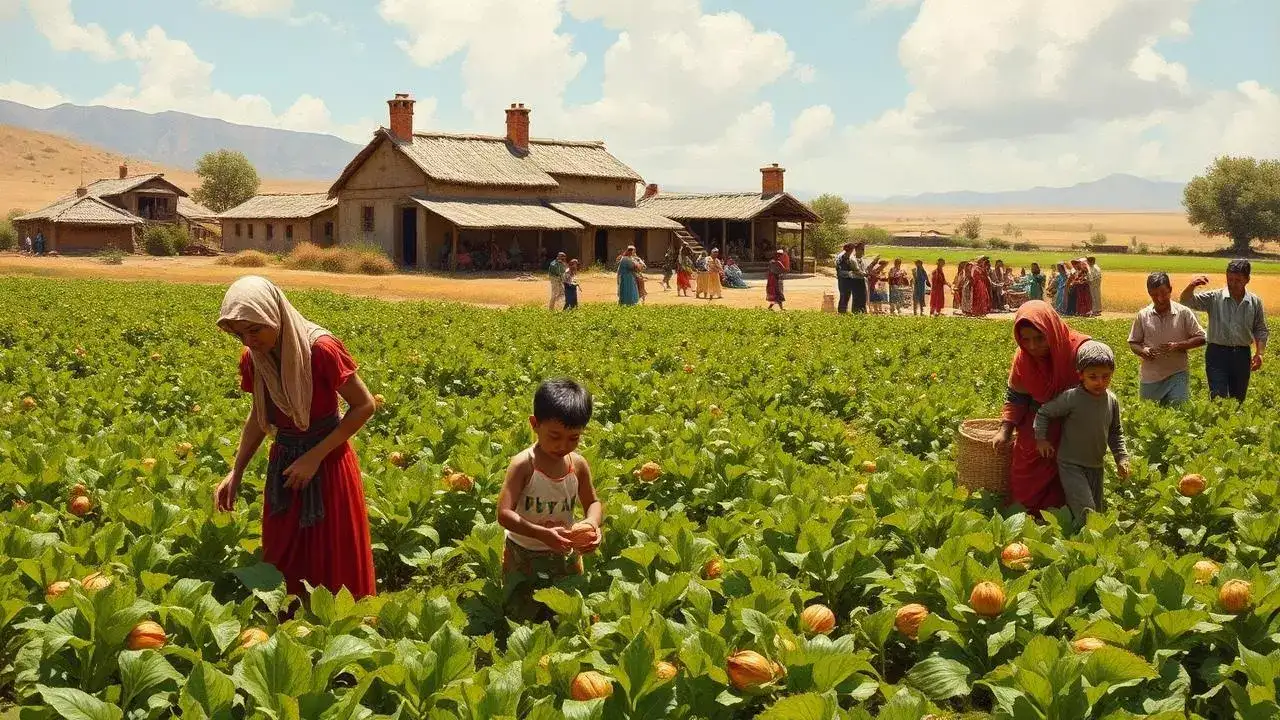
Gahmar exemplifies how a village can be both large in population and rich in heritage. Its unique blend of rural life, spiritual devotion, and military pride makes it an exceptional community within India. From its peaceful Ganges-side setting to its commitment to service and tradition, Gahmar offers a glimpse into the enduring value of village life, demonstrating that rural communities can preserve culture, nurture ambition, and inspire future generations.
The Largest Village In India
Located in the Ghazipur district of Uttar Pradesh, Gahmar is recognised as India’s largest village. Its population surpasses 1,20,000, with around 25,000 registered voters. Settled in 1530 by Kusum Dev Rao at Sakra Deeh, the village has grown into a vibrant community while retaining its traditional charm. Life in Gahmar is closely linked to agriculture and village routines, offering residents a peaceful alternative to the hectic pace of city living. The village’s layout and culture foster a sense of belonging, where families maintain strong ties to both community and environment.A Legacy Of Military Service
One of the most distinctive aspects of Gahmar is its long-standing tradition of service in the Indian army. Approximately 12,000 residents have joined the armed forces, many serving in senior positions. This tradition often spans generations, with households boasting retired officers and younger family members preparing to join the army. Soldiers from Gahmar have participated in major conflicts, including the 1965 and 1971 wars, as well as the Kargil conflict. Historical records also indicate that some villagers served in the British army during the Second World War, commemorated by a stone inscription in the village.Cultural Heritage And Spiritual Life
Beyond its military connections, Gahmar is steeped in cultural and religious heritage. The village is home to the Kamakhya Devi temple, which serves as an important spiritual centre for people from eastern Uttar Pradesh and Bihar. Festivals and local traditions play a central role in everyday life, reinforcing the community’s collective identity. This rich cultural backdrop provides residents with a strong sense of continuity and belonging, while also drawing visitors from neighbouring regions.The Role Of Nature And Rural Living
Gahmar’s location on the banks of the Ganges, about 40 kilometres from Ghazipur district headquarters, adds to its appeal. Living close to the river offers a serene environment, access to fertile land, and opportunities for traditional agricultural practices. Many families choose to settle in villages like Gahmar to enjoy a life away from city stress, closer to nature, and with the benefit of a tightly knit community. This combination of rural charm and access to natural resources continues to attract residents seeking a balanced lifestyle.Modern Connectivity And Opportunities
While Gahmar retains its traditional character, it is not isolated from modern developments. Recruitment camps historically facilitated entry into the army, and today, aspiring soldiers travel to centres in Roorkee, Lucknow, and Secunderabad for training. Educational initiatives, local governance, and infrastructure improvements continue to enhance life in the village while allowing residents to maintain their unique cultural and military traditions.Gahmar exemplifies how a village can be both large in population and rich in heritage. Its unique blend of rural life, spiritual devotion, and military pride makes it an exceptional community within India. From its peaceful Ganges-side setting to its commitment to service and tradition, Gahmar offers a glimpse into the enduring value of village life, demonstrating that rural communities can preserve culture, nurture ambition, and inspire future generations.
Next Story