
10 Most Iconic Anime Characters Since 2000 Who Still Rule Global Fandom

The 10 Most Influential Anime Characters Since 2000, Ranked: Modern anime’s worldwide rise has been driven as much by unforgettable characters as by storytelling itself. Over the past two decades, several heroes, antiheroes and genre-breakers have moved beyond their own series to become instantly recognisable pop culture symbols. Whether through emotional depth, iconic visual design or era-defining story arcs, these characters helped shape how global audiences understand anime today. From hopeful dreamers to morally divisive masterminds, their influence continues to stretch across fandom, memes, fashion, and mainstream entertainment.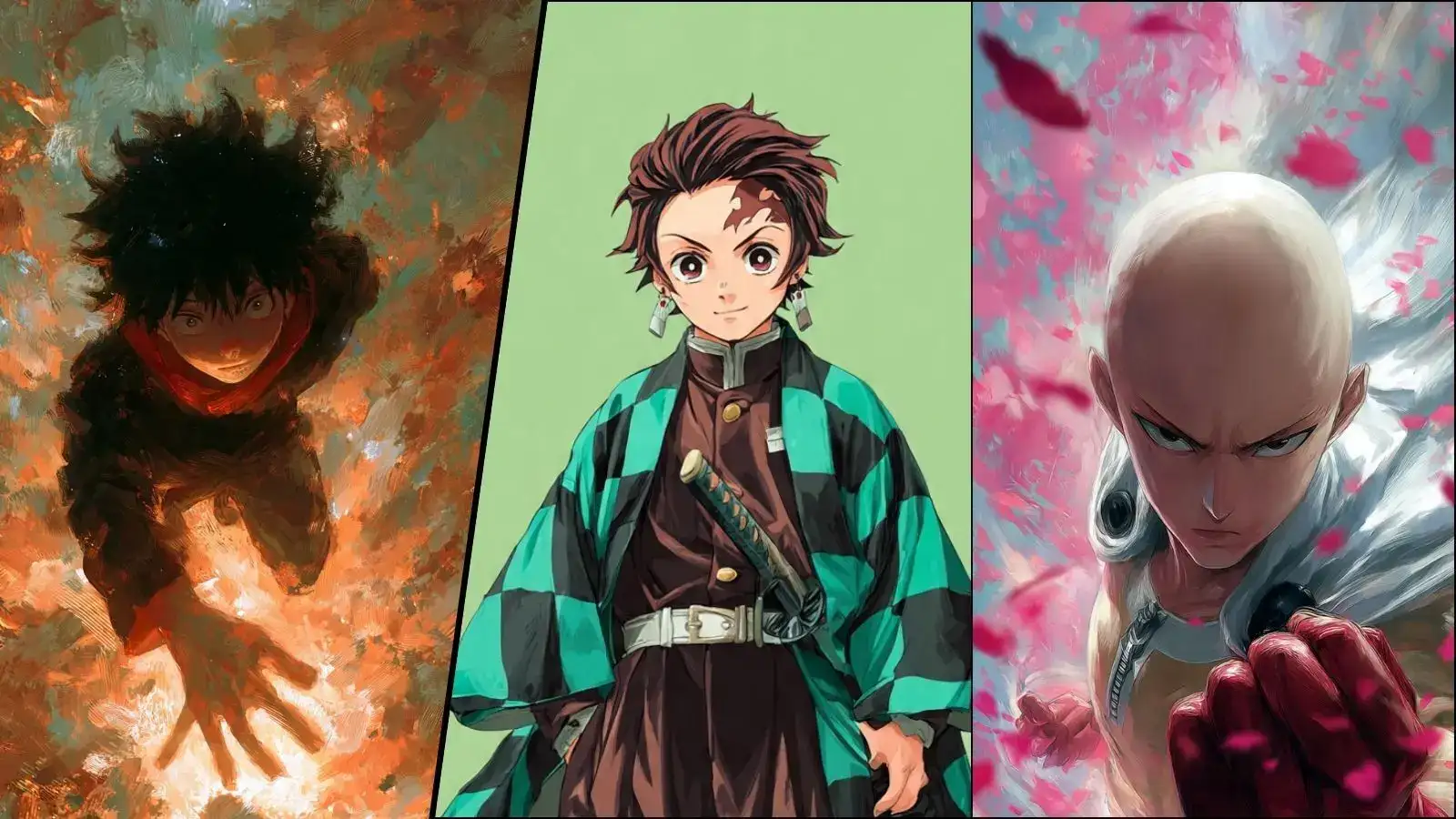
What made Naruto truly enduring was not simply his recognisable orange outfit or signature jutsu, but the way his story transformed pain into perseverance. His rise from outsider to respected hero set a blueprint for modern shonen storytelling and inspired countless later protagonists.
His long-running relevance is especially remarkable. While anime trends have shifted dramatically since the early 2000s, Luffy has remained central to global fandom through major arcs, new transformations, and his dream-driven leadership. He continues to define the found-family spirit that long-form anime adventures strive to capture.
That emotional steadiness, combined with his instantly recognisable checkered haori and deeply moving sibling bond, helped him become one of the most beloved faces of the 2020s anime wave.
What elevated him further was his larger-than-life charisma. He blends arrogance, humour and genuine protectiveness in a way that feels magnetic. Rather than standing in the background, Gojo dominates every scene, becoming as much a fandom phenomenon as the protagonists themselves.
His journey forced audiences to question revenge, freedom and the consequences of ideological obsession. More than just action spectacle, his story sparked global discussions, making him one of the most intellectually engaging protagonists of the century.
The brilliance of his arc lies in its gradual descent. Each decision feels rational in the moment, which makes his moral collapse even more chilling. His rivalry-driven storytelling style continues to influence suspense anime and beyond.
He remains especially admired because of his layered morality. Noble intentions constantly clash with ruthless methods, making him one of anime’s most enduring antiheroes and a benchmark for cerebral storytelling.
His visual identity, from the red coat to the automail arm, is timeless. Yet his real power lies in emotional maturity. His mission to undo a devastating mistake gave his victories extraordinary weight and his losses lasting impact.
His deadpan humour and emotional boredom turned him into a symbol of modern internet-era anime culture. At the same time, his character challenged the genre’s obsession with escalating power levels.
His friendship-driven emotional evolution made him one of the most admired characters of the 2010s. The balance of sleek abilities and genuine inner conflict gave him a rare staying power in fandom culture.
These characters did more than headline successful anime. They reshaped how audiences connect with storytelling, identity and heroism itself. Their influence can still be seen in every new breakout protagonist, proving that modern anime’s most iconic figures are not just memorable faces, but lasting cultural landmarks.
Image Courtesy: Meta AI
Naruto Uzumaki Remains The Ultimate Global Anime Symbol
Few characters represent the international anime boom as strongly as Naruto Uzumaki. His underdog journey, built on rejection, loneliness and relentless ambition, created an emotional foundation that resonated with viewers across generations.What made Naruto truly enduring was not simply his recognisable orange outfit or signature jutsu, but the way his story transformed pain into perseverance. His rise from outsider to respected hero set a blueprint for modern shonen storytelling and inspired countless later protagonists.
Monkey D. Luffy Turned Freedom Into An Enduring Anime Ideal
Monkey D. Luffy’s appeal lies in his boundless optimism and unwavering loyalty. Over the years, he has evolved into one of anime’s most recognisable faces, with his straw hat becoming a symbol of adventure itself.His long-running relevance is especially remarkable. While anime trends have shifted dramatically since the early 2000s, Luffy has remained central to global fandom through major arcs, new transformations, and his dream-driven leadership. He continues to define the found-family spirit that long-form anime adventures strive to capture.
Tanjiro Kamado Became The Face Of Modern Mainstream Shonen
Tanjiro Kamado’s rise was swift, fuelled by a perfect mix of emotional storytelling and visually spectacular battles. His defining trait is compassion. Unlike many action leads driven by rage or pride, Tanjiro’s strength comes from empathy and quiet resilience.That emotional steadiness, combined with his instantly recognisable checkered haori and deeply moving sibling bond, helped him become one of the most beloved faces of the 2020s anime wave.
Satoru Gojo And The Rise Of The Superstar Mentor
Satoru Gojo redefined what a mentor figure could be in contemporary anime. His blindfold, white hair and effortless confidence made him visually iconic almost overnight.What elevated him further was his larger-than-life charisma. He blends arrogance, humour and genuine protectiveness in a way that feels magnetic. Rather than standing in the background, Gojo dominates every scene, becoming as much a fandom phenomenon as the protagonists themselves.
Eren Yeager Became Anime’s Most Discussed Modern Lead
Eren Yeager’s cultural impact comes from transformation. He began as a rage-fuelled survivor but gradually evolved into one of anime’s most morally debated figures.His journey forced audiences to question revenge, freedom and the consequences of ideological obsession. More than just action spectacle, his story sparked global discussions, making him one of the most intellectually engaging protagonists of the century.
Light Yagami Changed The Meaning Of A Main Character
Light Yagami remains one of anime’s most compelling examples of a protagonist who slowly becomes the villain. His battle of wits, driven by a warped sense of justice, transformed psychological thrillers in anime.The brilliance of his arc lies in its gradual descent. Each decision feels rational in the moment, which makes his moral collapse even more chilling. His rivalry-driven storytelling style continues to influence suspense anime and beyond.
Lelouch Lamperouge Made Intelligence Feel Cinematic
Lelouch brought strategy, theatre and moral contradiction into one unforgettable lead. His genius-level planning and dramatic presentation turned every decision into spectacle.He remains especially admired because of his layered morality. Noble intentions constantly clash with ruthless methods, making him one of anime’s most enduring antiheroes and a benchmark for cerebral storytelling.
Edward Elric Still Sets The Standard For Emotional Shonen Writing
Edward Elric remains one of the most respected protagonists of the 2000s because his story is grounded in guilt, sacrifice and responsibility.His visual identity, from the red coat to the automail arm, is timeless. Yet his real power lies in emotional maturity. His mission to undo a devastating mistake gave his victories extraordinary weight and his losses lasting impact.
Saitama Proved Power Alone Cannot Carry A Story
Saitama’s genius lies in subversion. Built as a parody of overpowered heroes, he became iconic by exposing the emptiness of limitless strength without purpose.His deadpan humour and emotional boredom turned him into a symbol of modern internet-era anime culture. At the same time, his character challenged the genre’s obsession with escalating power levels.
Killua Zoldyck Defined Coolness With Emotional Depth
Killua’s enduring popularity comes from the contrast between style and vulnerability. On the surface, he is effortlessly cool, gifted and deadly. Beneath that lies a child learning to escape a violent upbringing.His friendship-driven emotional evolution made him one of the most admired characters of the 2010s. The balance of sleek abilities and genuine inner conflict gave him a rare staying power in fandom culture.
These characters did more than headline successful anime. They reshaped how audiences connect with storytelling, identity and heroism itself. Their influence can still be seen in every new breakout protagonist, proving that modern anime’s most iconic figures are not just memorable faces, but lasting cultural landmarks.
Image Courtesy: Meta AI
Next Story