
10 Must-Watch New-Gen Shonen Anime That Perfectly Blend Modern Action With Classic '90s Vibes

Modern shonen anime has transformed visually over the past decade, but beneath the cinematic animation and faster pacing lies a familiar storytelling engine. The genre’s most successful recent titles continue to rely on the emotional and structural foundations laid by the great battle anime of the 1990s. From underdog protagonists and academy-based training to iconic rivalry arcs and clearly tiered villains, the blueprint remains strikingly intact.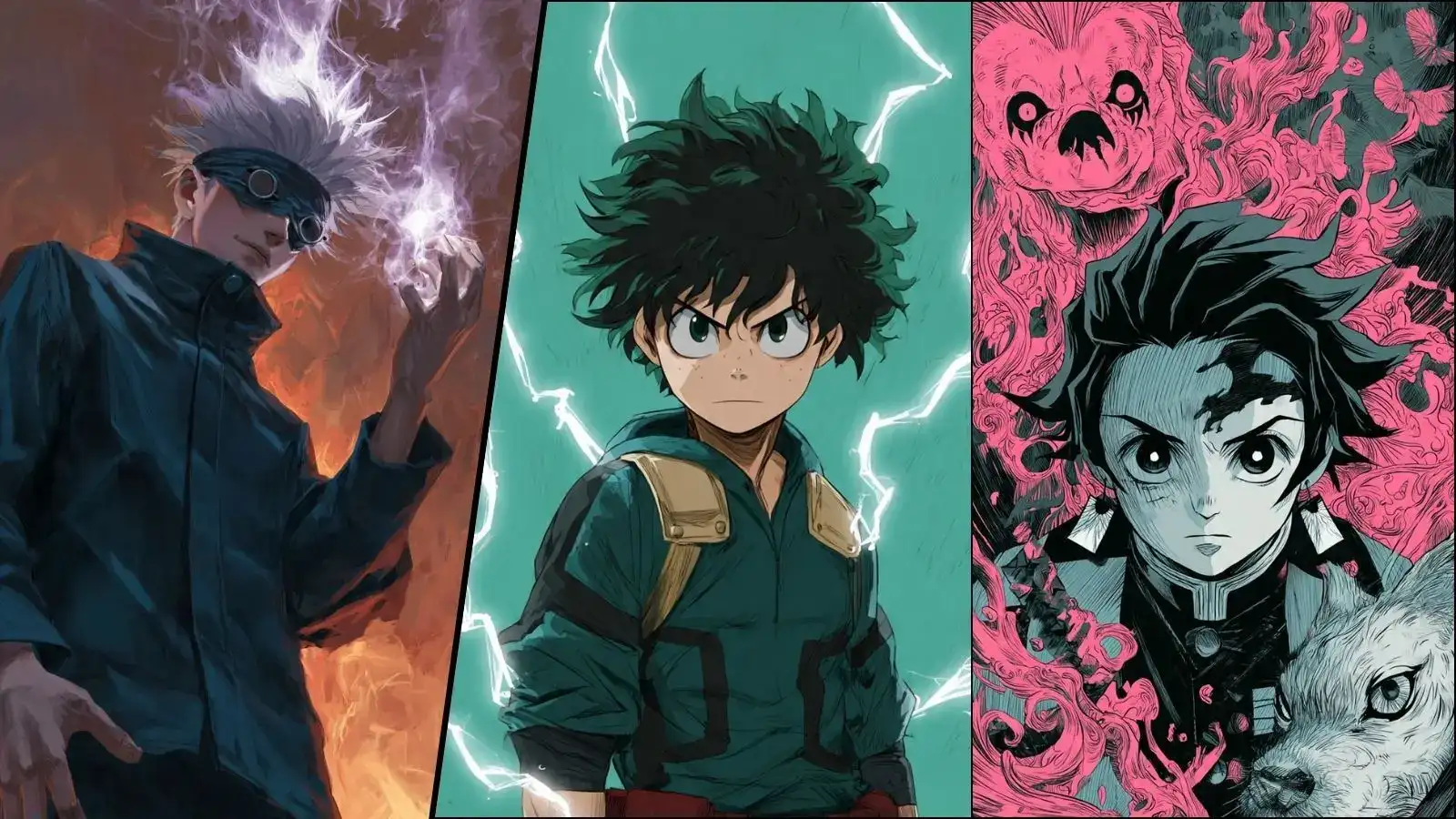
What has changed is execution. Today’s creators use polished production, tighter plotting and stronger ensemble writing, yet the core appeal still comes from the same classic ingredients that once made old-school action anime cultural landmarks. That continuity is precisely why new-gen shonen continues to feel both fresh and nostalgic at once.
Series centred on hero schools, exorcist academies and magic institutions turn growth into something viewers can track clearly. Whether it is classroom exams, combat trials or formal promotions, the audience always sees how characters evolve. This makes power progression satisfying because every new ability feels earned through visible effort.
The popularity of stories built around institutions also recreates the appeal of classic dojo, ninja village and martial arts school arcs. It offers discipline, hierarchy and a sense of long-term ambition, all of which remain essential to compelling battle storytelling.
Many current heroes begin as powerless, underestimated or socially dismissed figures. Their journeys become gripping because the narrative constantly contrasts raw determination against inherited talent. Rival characters further sharpen this dynamic, often serving as both motivation and emotional conflict.
These rivalries are rarely just about strength. They symbolise ideology, self-worth and competing responses to pressure. This is why the underdog-versus-prodigy formula still feels so effective. It is timeless, emotionally direct and instantly understandable.
Today’s equivalents may appear as school festivals, ranking wars, guild competitions or squad-based tactical leagues, but the underlying structure remains the same. Controlled combat environments create space for one-on-one clashes, strategic revelations and dramatic character moments.
These arcs remain popular because they balance spectacle with progression. They allow side characters to shine, deepen rivalries and introduce new threats without derailing the main story. In many ways, modern series have refined tournament storytelling by integrating it more naturally into the larger narrative.
Modern shonen still leans heavily on this design. Elite demon ranks, cursed entities, devil factions, military squads and political conspiracies all create structured danger. Each victory leads to a stronger, more ideologically dangerous opponent, preserving suspense over long arcs.
This layered approach helps maintain momentum because viewers always understand what lies ahead. The looming presence of top-tier antagonists creates anticipation, while mid-level enemies provide stepping stones that keep the stakes rising organically.
Friend groups, guilds, combat units and academy teams all serve the same purpose: they transform battles into emotional collaborations. Different personalities and skill sets create richer action sequences while reinforcing the theme that strength often emerges through trust.
This structure also supports deeper world-building. Teams allow writers to explore multiple perspectives, expand lore naturally and create emotional pay-offs when bonds are tested in battle.
Audiences still connect with stories where hard work leads to visible progress, rivals force self-improvement and evil is organised into tangible challenges. While animation techniques, pacing and tonal complexity have modernised, the storytelling heart of shonen remains deeply rooted in the 90s.
That is not a weakness. It is proof that the genre’s foundational ideas were powerful enough to survive generational shifts. Modern hits succeed not by abandoning old formulas, but by refining them for a faster, visually richer era. In doing so, they keep the spirit of classic battle anime alive for both longtime fans and first-time viewers.
Image Courtesy: Meta AI
What has changed is execution. Today’s creators use polished production, tighter plotting and stronger ensemble writing, yet the core appeal still comes from the same classic ingredients that once made old-school action anime cultural landmarks. That continuity is precisely why new-gen shonen continues to feel both fresh and nostalgic at once.
Hero Academies, Exams And Structured Growth Still Rule
One of the most recognisable 90s storytelling traditions was visible progression through ranks, tests and training systems. Modern anime continues to embrace that framework with remarkable confidence.Series centred on hero schools, exorcist academies and magic institutions turn growth into something viewers can track clearly. Whether it is classroom exams, combat trials or formal promotions, the audience always sees how characters evolve. This makes power progression satisfying because every new ability feels earned through visible effort.
The popularity of stories built around institutions also recreates the appeal of classic dojo, ninja village and martial arts school arcs. It offers discipline, hierarchy and a sense of long-term ambition, all of which remain essential to compelling battle storytelling.
Rivalries And Underdog Heroes Keep The Emotional Pulse Strong
The classic 90s formula thrived on protagonists who began from a position of weakness. That same emotional pull remains central to today’s leading shonen titles.Many current heroes begin as powerless, underestimated or socially dismissed figures. Their journeys become gripping because the narrative constantly contrasts raw determination against inherited talent. Rival characters further sharpen this dynamic, often serving as both motivation and emotional conflict.
These rivalries are rarely just about strength. They symbolise ideology, self-worth and competing responses to pressure. This is why the underdog-versus-prodigy formula still feels so effective. It is timeless, emotionally direct and instantly understandable.
Tournament Arcs Have Evolved, Not Disappeared
Few 90s anime tropes are as beloved as the tournament arc, and modern shonen has wisely refused to abandon it.Today’s equivalents may appear as school festivals, ranking wars, guild competitions or squad-based tactical leagues, but the underlying structure remains the same. Controlled combat environments create space for one-on-one clashes, strategic revelations and dramatic character moments.
These arcs remain popular because they balance spectacle with progression. They allow side characters to shine, deepen rivalries and introduce new threats without derailing the main story. In many ways, modern series have refined tournament storytelling by integrating it more naturally into the larger narrative.
Villain Ladders And Power Hierarchies Still Drive Suspense
Another defining trait of classic battle anime was the clear escalation of enemies. Rather than random threats, villains were organised into understandable hierarchies.Modern shonen still leans heavily on this design. Elite demon ranks, cursed entities, devil factions, military squads and political conspiracies all create structured danger. Each victory leads to a stronger, more ideologically dangerous opponent, preserving suspense over long arcs.
This layered approach helps maintain momentum because viewers always understand what lies ahead. The looming presence of top-tier antagonists creates anticipation, while mid-level enemies provide stepping stones that keep the stakes rising organically.
Friendship, Team Squads And Shared Missions Remain Essential
Classic shonen rarely worked through solo heroics alone, and today’s biggest anime continues that tradition through strong squad dynamics.Friend groups, guilds, combat units and academy teams all serve the same purpose: they transform battles into emotional collaborations. Different personalities and skill sets create richer action sequences while reinforcing the theme that strength often emerges through trust.
This structure also supports deeper world-building. Teams allow writers to explore multiple perspectives, expand lore naturally and create emotional pay-offs when bonds are tested in battle.
Why The 90s Formula Still Works In 2026
The reason these tropes continue to dominate is simple. They are built on clarity, emotional momentum and aspirational growth.Audiences still connect with stories where hard work leads to visible progress, rivals force self-improvement and evil is organised into tangible challenges. While animation techniques, pacing and tonal complexity have modernised, the storytelling heart of shonen remains deeply rooted in the 90s.
That is not a weakness. It is proof that the genre’s foundational ideas were powerful enough to survive generational shifts. Modern hits succeed not by abandoning old formulas, but by refining them for a faster, visually richer era. In doing so, they keep the spirit of classic battle anime alive for both longtime fans and first-time viewers.
Image Courtesy: Meta AI
Next Story