CBFC Censorship Row From Phule & Punjab 95 To Dhadak 2 In 2025

As 2025 draws to a close, the Central Board of Film Certification has found itself repeatedly at the centre of public debate. Several Indian and international films faced delays, cuts, title changes, or outright refusals during the certification process. From concerns over religious references and political sensitivity to questions about originality and institutional portrayal, the year highlighted the growing complexity of film certification in India. The cases collectively underline how creative expression and regulatory oversight continue to collide in an evolving cinematic landscape.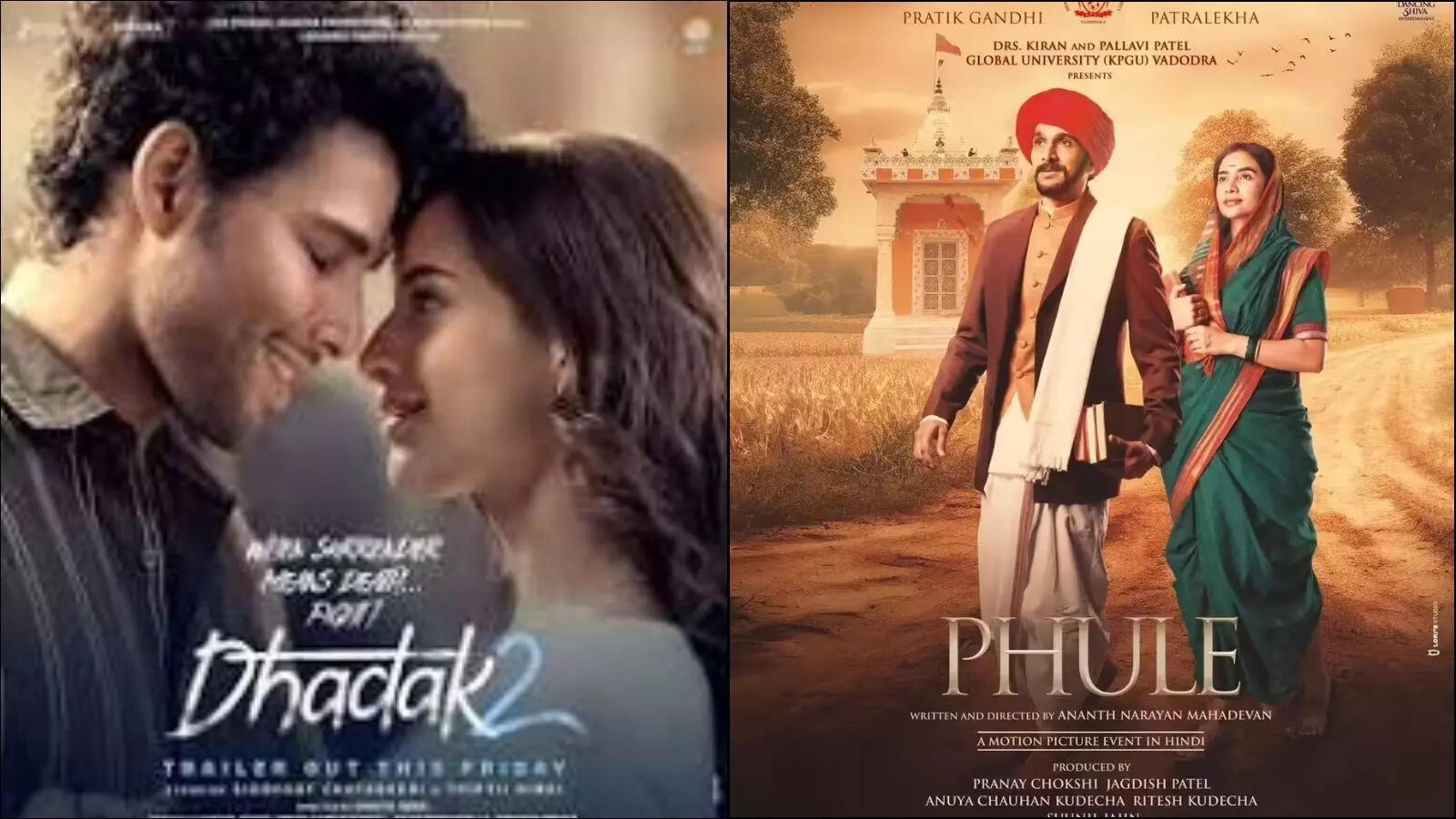
A similar naming dispute surrounded JSK: Janaki V vs State of Kerala. The CBFC initially objected to the use of the name “Janaki”, citing religious associations, and refused certification. Following legal intervention and a revised title, the film eventually received a U/A certificate, demonstrating how legal recourse has increasingly shaped certification outcomes.
Phule, centred on 19th-century social reformers, encountered objections related to caste terminology and voice-overs. While the director described the requested changes as minor, the process led to a postponement, underscoring the sensitivity surrounding historical narratives and social reform themes.
Similarly, Dhadak 2 was cleared only after 16 cuts. Politically sensitive dialogue was reworded, religious references softened and literary verses replaced to avoid provocation. These changes reflected the CBFC’s heightened caution around political and religious interpretation.
Punjab 95, based on the life of human rights activist Jaswant Singh Khalra, remains in certification limbo after the CBFC reportedly sought over a hundred cuts. The refusal to comply resulted in an indefinite postponement, even after an earlier release plan.
In contrast, Ajey saw judicial intervention tilt the balance. After the CBFC initially denied certification, the Bombay High Court directed the board to clear the film without cuts, reaffirming the judiciary’s growing influence in censorship disputes.
Meanwhile, Taj Story underwent months of scrutiny due to its exploration of lesser-known narratives linked to the Taj Mahal. Filmmakers were asked to submit extensive documentation to support creative claims, reflecting heightened caution around historical subjects.
Chhavaa also faced modifications before receiving a UA 16+ certificate, including altered dialogue and changes to visual representation, reinforcing the board’s careful approach to historical and cultural portrayals.
Questions Over Originality And Titles
One of the earliest controversies involved Mamta Child Factory, where the CBFC issued a show-cause notice to director Mohsin Khan. The board questioned the film’s claim of originality, stating it was a dubbed version and therefore could not be certified as an original work. This contradicted the filmmaker’s assertion that the rejection was linked to its surrogacy theme, bringing attention to procedural transparency in certification.A similar naming dispute surrounded JSK: Janaki V vs State of Kerala. The CBFC initially objected to the use of the name “Janaki”, citing religious associations, and refused certification. Following legal intervention and a revised title, the film eventually received a U/A certificate, demonstrating how legal recourse has increasingly shaped certification outcomes.
Content Sensitivity And Community Representation
Several films ran into trouble due to depictions of religion, community identity and cultural practices. Haal faced extensive objections, including demands to remove scenes perceived as stereotyping communities and dialogues said to affect religious sentiments. The board also called for edits involving food imagery, ritual visuals and references to cultural organisations, making it one of the most extensively scrutinised films of the year.Phule, centred on 19th-century social reformers, encountered objections related to caste terminology and voice-overs. While the director described the requested changes as minor, the process led to a postponement, underscoring the sensitivity surrounding historical narratives and social reform themes.
Revising Committees And Extensive Modifications
Homebound illustrated the increasing role of Revising Committees in shaping final cuts. After the Examining Committee suggested multiple edits, the Revising Committee muted and replaced words across several scenes, altered dialogue and censored brief religious visuals. Even commonly used words were replaced to ensure neutrality.Similarly, Dhadak 2 was cleared only after 16 cuts. Politically sensitive dialogue was reworded, religious references softened and literary verses replaced to avoid provocation. These changes reflected the CBFC’s heightened caution around political and religious interpretation.
Blocked Releases And Legal Intervention
Some films faced far more severe outcomes. Santosh, despite international acclaim, was blocked from theatrical release in India due to concerns over its portrayal of police brutality, caste discrimination and misogyny. The filmmakers declined extensive edits, leading to a direct digital release instead.Punjab 95, based on the life of human rights activist Jaswant Singh Khalra, remains in certification limbo after the CBFC reportedly sought over a hundred cuts. The refusal to comply resulted in an indefinite postponement, even after an earlier release plan.
In contrast, Ajey saw judicial intervention tilt the balance. After the CBFC initially denied certification, the Bombay High Court directed the board to clear the film without cuts, reaffirming the judiciary’s growing influence in censorship disputes.
International Films And Historical Narratives
Even Hollywood was not spared. Superman attracted criticism after a kissing sequence was trimmed, sparking widespread debate online over censorship standards for foreign films.Meanwhile, Taj Story underwent months of scrutiny due to its exploration of lesser-known narratives linked to the Taj Mahal. Filmmakers were asked to submit extensive documentation to support creative claims, reflecting heightened caution around historical subjects.
Chhavaa also faced modifications before receiving a UA 16+ certificate, including altered dialogue and changes to visual representation, reinforcing the board’s careful approach to historical and cultural portrayals.
A Year Of Heightened Certification Debate
The varied experiences of these films show how certification in India has become more layered and contested. For audiences, filmmakers and policymakers alike, 2025 underscored the need for clearer guidelines and consistent interpretation as creative storytelling continues to push boundaries.Next Story