
Why Legal Issues Over Song Rights Are Impacting Performances at the Milan-Cortina Olympics

The 2026 Winter Olympics in Milan-Cortina have been a showcase of athletic excellence and global unity, but behind the scenes, figure skating one of the most popular spectator events, has encountered an unusual hurdle: copyright issues related to the music used in routines.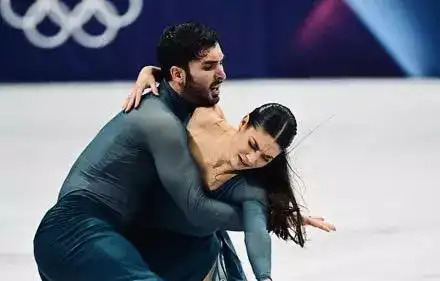
Figure skating is a sport where choreography and music are inseparable. Athletes spend months preparing programmes set to carefully chosen soundtracks. These pieces are selected not only for emotional impact and rhythm, but also to highlight the skater’s strengths and interpretation. However, as routines evolve and athletes prepare for international exposure, the legal complexities of music licensing have become hard to ignore.
In many cases, skaters use popular songs or well-known instrumental pieces that are protected by copyright. To perform publicly at an event as high-profile as the Olympics where broadcasts reach millions worldwide and media rights are strictly managed athletes and their teams must secure proper permission from rights holders. This usually involves negotiating licences with record companies, publishers and composers, a process that can be costly and time-consuming.
At Milan-Cortina, several skaters reported that their music choices were in jeopardy because clearance had not been finalised in time for competition. Some routines risked being adjusted at the last minute to avoid potential copyright infringement during broadcasts. The issue highlights the tension between artistic expression and legal restrictions in a global media environment where every note and lyric can be tracked and monetised.
Officials from international skating bodies acknowledge that music rights are a long-standing concern but say the Olympics have magnified the stakes. At local competitions and club events, licensing is often handled informally or under blanket agreements. However, the Olympics involves multiple broadcasters, digital streaming platforms and highly publicised live feeds, all of which elevate the need for precise copyright compliance.
Athletes affected by the licensing delays expressed frustration that their artistic vision might be compromised. Figure skaters invest countless hours refining choreography to match specific musical cues. Altering or replacing a piece because of rights issues especially close to competition can disrupt rhythm, emotional timing and overall performance dynamics. Coaches and choreographers argue that the administrative burden of securing music permissions should not overshadow athletic preparation.
The broader problem reflects changes in how content rights are managed in the digital age. With algorithms capable of detecting copyrighted material instantly and platforms facing stiff penalties for unauthorised use, organisers and athletes are under pressure to ensure full compliance. While some music creators and rights societies offer relatively straightforward licensing for sporting events, others are more restrictive or expensive, forcing teams to rethink longstanding practices.
To address these concerns, some national skating federations have begun building soundtrack libraries of fully cleared music that skaters can use without additional negotiation. Others are seeking partnerships with composers and emerging artists who are willing to offer rights at more affordable rates. Still, the Olympics represent a unique challenge because of the global broadcast footprint and the commercial nature of the Games.
As figure skating continues at Milan-Cortina, the situation serves as a reminder that sport and entertainment increasingly intersect with legal and commercial realities. For athletes striving to deliver memorable performances, navigating copyright law has become an unexpected element of the competitive landscape.
Figure skating is a sport where choreography and music are inseparable. Athletes spend months preparing programmes set to carefully chosen soundtracks. These pieces are selected not only for emotional impact and rhythm, but also to highlight the skater’s strengths and interpretation. However, as routines evolve and athletes prepare for international exposure, the legal complexities of music licensing have become hard to ignore.
In many cases, skaters use popular songs or well-known instrumental pieces that are protected by copyright. To perform publicly at an event as high-profile as the Olympics where broadcasts reach millions worldwide and media rights are strictly managed athletes and their teams must secure proper permission from rights holders. This usually involves negotiating licences with record companies, publishers and composers, a process that can be costly and time-consuming.
At Milan-Cortina, several skaters reported that their music choices were in jeopardy because clearance had not been finalised in time for competition. Some routines risked being adjusted at the last minute to avoid potential copyright infringement during broadcasts. The issue highlights the tension between artistic expression and legal restrictions in a global media environment where every note and lyric can be tracked and monetised.
Officials from international skating bodies acknowledge that music rights are a long-standing concern but say the Olympics have magnified the stakes. At local competitions and club events, licensing is often handled informally or under blanket agreements. However, the Olympics involves multiple broadcasters, digital streaming platforms and highly publicised live feeds, all of which elevate the need for precise copyright compliance.
Athletes affected by the licensing delays expressed frustration that their artistic vision might be compromised. Figure skaters invest countless hours refining choreography to match specific musical cues. Altering or replacing a piece because of rights issues especially close to competition can disrupt rhythm, emotional timing and overall performance dynamics. Coaches and choreographers argue that the administrative burden of securing music permissions should not overshadow athletic preparation.
The broader problem reflects changes in how content rights are managed in the digital age. With algorithms capable of detecting copyrighted material instantly and platforms facing stiff penalties for unauthorised use, organisers and athletes are under pressure to ensure full compliance. While some music creators and rights societies offer relatively straightforward licensing for sporting events, others are more restrictive or expensive, forcing teams to rethink longstanding practices.
To address these concerns, some national skating federations have begun building soundtrack libraries of fully cleared music that skaters can use without additional negotiation. Others are seeking partnerships with composers and emerging artists who are willing to offer rights at more affordable rates. Still, the Olympics represent a unique challenge because of the global broadcast footprint and the commercial nature of the Games.
As figure skating continues at Milan-Cortina, the situation serves as a reminder that sport and entertainment increasingly intersect with legal and commercial realities. For athletes striving to deliver memorable performances, navigating copyright law has become an unexpected element of the competitive landscape.
Next Story