
Slouching All Day? What Posture Belts Can and Cannot Do for Your Spine

In an age where most people spend hours hunched over laptops and smartphones, poor posture has quietly become a widespread lifestyle issue. Rounded shoulders, forward head posture and upper-back stiffness are now common complaints, pushing many people to try posture-correcting belts that promise instant alignment and relief. But can these devices really undo years of slouching?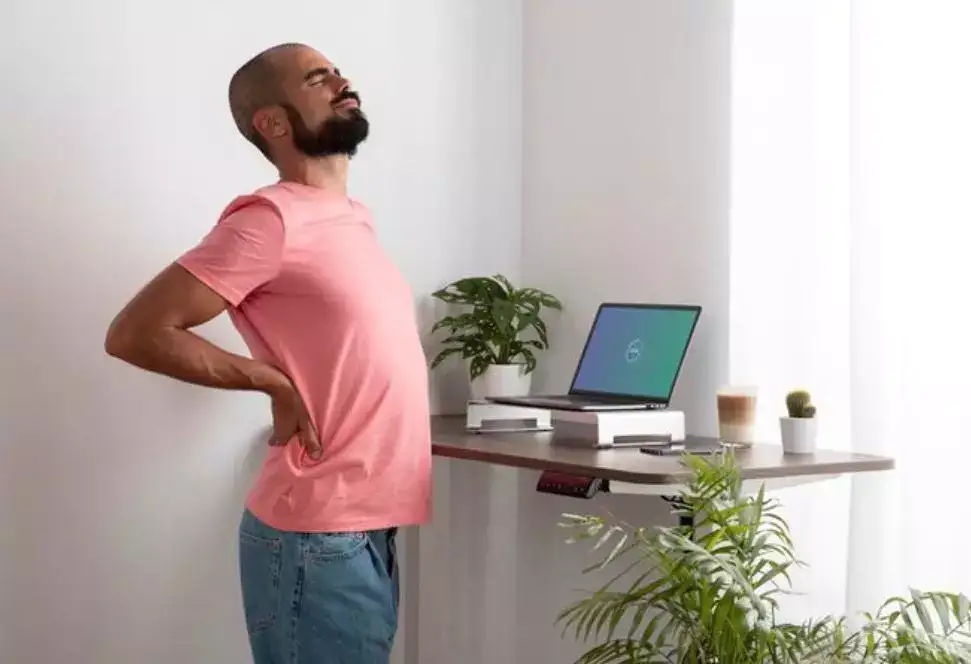
Posture-correcting belts are designed to gently pull the shoulders back and support the upper spine, encouraging the body to stay upright. Orthopaedic specialists explain that this external cue can be helpful, especially during long periods of sitting, as it increases awareness of body positioning. For many users, this awareness alone can temporarily reduce strain on the neck, shoulders and upper back.
However, experts agree that posture belts do not correct posture permanently on their own. Once the belt is removed, the body often reverts to its habitual slouched position. This is because poor posture is usually linked to deeper issues such as weak core muscles, underactive upper-back muscles, tight chest muscles and prolonged sedentary habits. A belt may hold the body in place, but it does not retrain muscles to maintain that alignment independently.
Physiotherapists often describe posture belts as training tools rather than cures. When used for limited durations, they can remind users to sit straighter and help them recognize what proper posture feels like. This makes them particularly useful during desk work, commuting or tasks that encourage slouching. However, wearing them continuously or too tightly can backfire.
One major concern raised by experts is over-dependence. If a posture belt does all the work, the muscles responsible for maintaining posture may become less active over time. This can weaken postural muscles further, making long-term correction even harder once the belt is removed. For this reason, most professionals advise wearing posture belts only for short intervals rather than all day.
For lasting improvement, posture belts should be paired with strengthening and mobility exercises. Exercises targeting the core, upper back and shoulder stabilisers help the body maintain proper alignment naturally. Simple changes such as adjusting chair height, positioning screens at eye level, taking regular movement breaks and practicing posture-focused stretches can significantly improve spinal health over time.
Posture-correcting belts can be helpful for awareness and short-term comfort, but they are not magic solutions. True posture correction comes from consistent movement, muscle strengthening and mindful daily habits. Used wisely, a posture belt can support that journey but it cannot replace it.
Posture-correcting belts are designed to gently pull the shoulders back and support the upper spine, encouraging the body to stay upright. Orthopaedic specialists explain that this external cue can be helpful, especially during long periods of sitting, as it increases awareness of body positioning. For many users, this awareness alone can temporarily reduce strain on the neck, shoulders and upper back.
However, experts agree that posture belts do not correct posture permanently on their own. Once the belt is removed, the body often reverts to its habitual slouched position. This is because poor posture is usually linked to deeper issues such as weak core muscles, underactive upper-back muscles, tight chest muscles and prolonged sedentary habits. A belt may hold the body in place, but it does not retrain muscles to maintain that alignment independently.
Physiotherapists often describe posture belts as training tools rather than cures. When used for limited durations, they can remind users to sit straighter and help them recognize what proper posture feels like. This makes them particularly useful during desk work, commuting or tasks that encourage slouching. However, wearing them continuously or too tightly can backfire.
One major concern raised by experts is over-dependence. If a posture belt does all the work, the muscles responsible for maintaining posture may become less active over time. This can weaken postural muscles further, making long-term correction even harder once the belt is removed. For this reason, most professionals advise wearing posture belts only for short intervals rather than all day.
For lasting improvement, posture belts should be paired with strengthening and mobility exercises. Exercises targeting the core, upper back and shoulder stabilisers help the body maintain proper alignment naturally. Simple changes such as adjusting chair height, positioning screens at eye level, taking regular movement breaks and practicing posture-focused stretches can significantly improve spinal health over time.
Posture-correcting belts can be helpful for awareness and short-term comfort, but they are not magic solutions. True posture correction comes from consistent movement, muscle strengthening and mindful daily habits. Used wisely, a posture belt can support that journey but it cannot replace it.
Next Story