
Bengal’s ‘Life of Pujaa’ Faces Backlash, Ignites ‘Authenticity’ Debate on Instagram

The Instagram account “Life of Pujaa” has recently found itself at the centre of a social media storm, as debates around authenticity and representation dominate online conversations. The creator behind the account, Pujarini Pradhan, is a Bengal-based influencer whose content has struck a chord with audiences for its raw and unconventional style.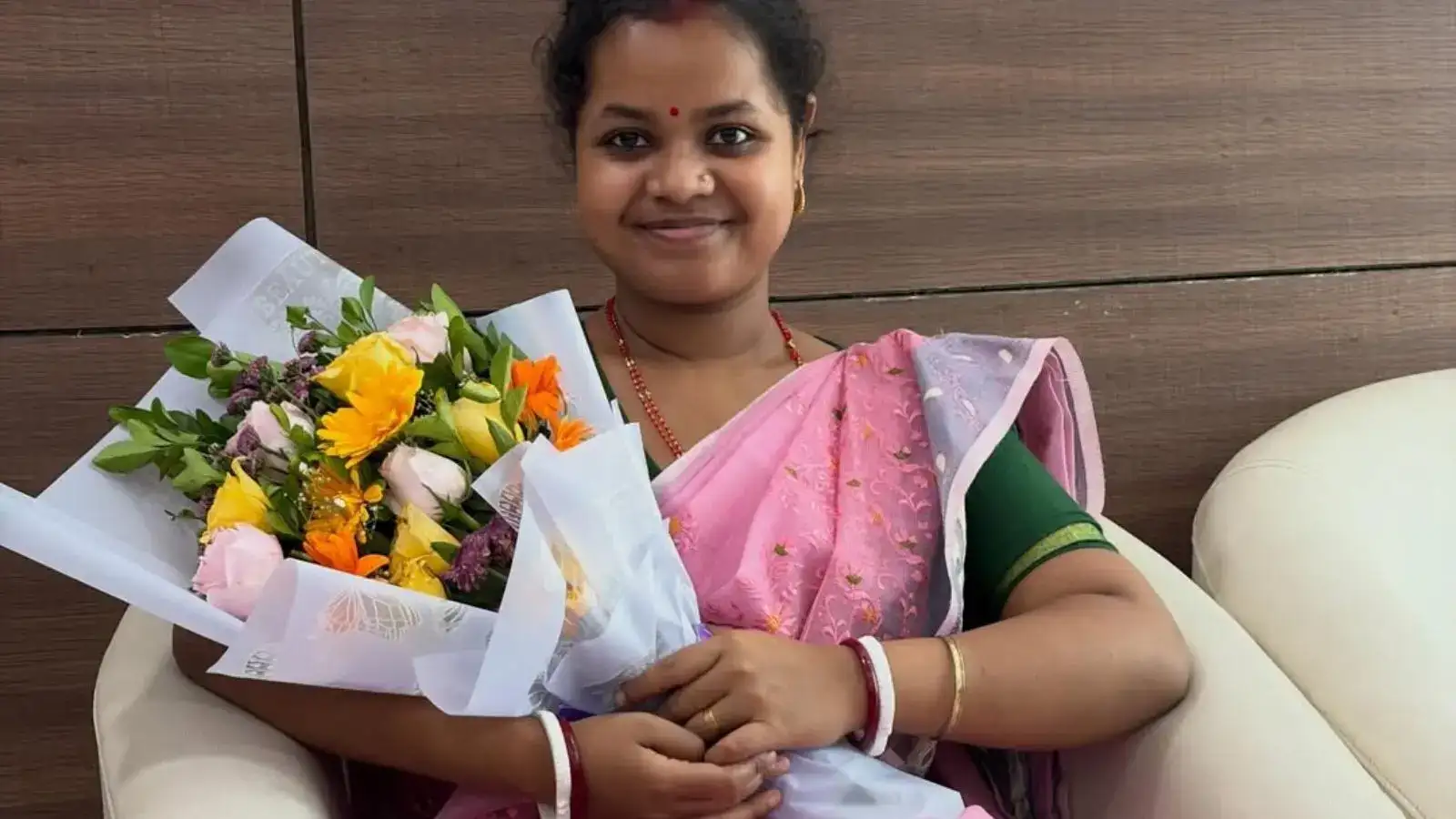
Pujarini built her digital identity on a stark contrast that sets her apart from mainstream influencers. Her videos often feature her in a modest rural household setting, dressed simply, while discussing literature, films, feminism, and personal reflections, topics not typically associated with such a backdrop.
With over six lakh followers on Instagram, her content stands out for its unpolished, real-life aesthetic. Unlike the highly curated and visually polished content that dominates the platform, her videos are often shot in natural settings inside her home, with everyday objects and surroundings forming the backdrop.
However, this very contrast has now led to scrutiny. Several influencers and online commentators have questioned whether her persona is entirely authentic. Critics have pointed to perceived inconsistencies between her portrayed lifestyle and past visuals, suggesting that her content may be strategically constructed. Terms like “industry plant” and “social media construct” have been widely used in these discussions.
The debate largely centres on whether her image as a rural, self-made voice is organic or carefully curated to appeal to audiences. Some critics argue that the juxtaposition of a simple lifestyle with articulate discussions on global literature and culture appears too crafted to be entirely spontaneous.
Responding to the backlash, Pujarini addressed the accusations directly. She clarified that she has never hidden the fact that she is represented by an agency and outlined her journey as a content creator. She also pushed back against the criticism, suggesting that people are uncomfortable with her expressing opinions and do not want to see narratives that go beyond stereotypes of rural life.
Her supporters, meanwhile, view her as a refreshing break from influencer culture, praising her for bringing intellectual conversations into everyday settings. They argue that questioning her authenticity reflects deeper biases about who is “allowed” to be articulate or culturally aware.
The controversy has sparked a broader conversation about authenticity in the influencer economy. As social media continues to blur the lines between reality and performance, creators like Pujarini highlight how audiences are increasingly scrutinising not just content, but the identity behind it.
Ultimately, the “Life of Pujaa” debate goes beyond one creator. It reflects a larger shift in digital culture, where relatability, storytelling, and perceived authenticity are constantly being negotiated, questioned, and redefined.
Pujarini built her digital identity on a stark contrast that sets her apart from mainstream influencers. Her videos often feature her in a modest rural household setting, dressed simply, while discussing literature, films, feminism, and personal reflections, topics not typically associated with such a backdrop.
With over six lakh followers on Instagram, her content stands out for its unpolished, real-life aesthetic. Unlike the highly curated and visually polished content that dominates the platform, her videos are often shot in natural settings inside her home, with everyday objects and surroundings forming the backdrop.
However, this very contrast has now led to scrutiny. Several influencers and online commentators have questioned whether her persona is entirely authentic. Critics have pointed to perceived inconsistencies between her portrayed lifestyle and past visuals, suggesting that her content may be strategically constructed. Terms like “industry plant” and “social media construct” have been widely used in these discussions.
The debate largely centres on whether her image as a rural, self-made voice is organic or carefully curated to appeal to audiences. Some critics argue that the juxtaposition of a simple lifestyle with articulate discussions on global literature and culture appears too crafted to be entirely spontaneous.
Responding to the backlash, Pujarini addressed the accusations directly. She clarified that she has never hidden the fact that she is represented by an agency and outlined her journey as a content creator. She also pushed back against the criticism, suggesting that people are uncomfortable with her expressing opinions and do not want to see narratives that go beyond stereotypes of rural life.
Her supporters, meanwhile, view her as a refreshing break from influencer culture, praising her for bringing intellectual conversations into everyday settings. They argue that questioning her authenticity reflects deeper biases about who is “allowed” to be articulate or culturally aware.
The controversy has sparked a broader conversation about authenticity in the influencer economy. As social media continues to blur the lines between reality and performance, creators like Pujarini highlight how audiences are increasingly scrutinising not just content, but the identity behind it.
Ultimately, the “Life of Pujaa” debate goes beyond one creator. It reflects a larger shift in digital culture, where relatability, storytelling, and perceived authenticity are constantly being negotiated, questioned, and redefined.
Next Story
