
Matthew McConaughey Takes Legal Steps Against AI Misuse by Trademarking His Voice and Catchphrases

Hollywood star Matthew McConaughey has taken a proactive and legal approach to prevent unauthorized use of his voice, catchphrases and likeness by artificial intelligence systems by registering multiple trademarks in the United States. The move comes amid increasing industry-wide debate about how generative AI can create fake audio, video or digital impersonations that mimic real actors’ voices and images without consent.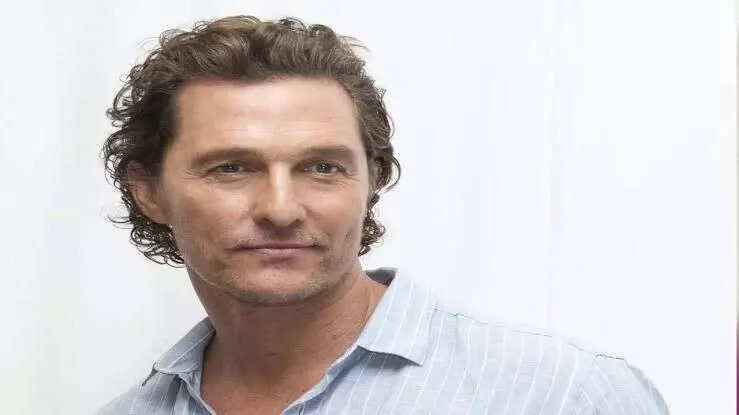
Among the trademarks McConaughey secured is a sound mark for his iconic line “Alright, alright, alright,” which he first delivered in the 1993 film Dazed and Confused. This phrase has since become widely associated with him and is one of the best-known catchphrases in modern film culture. In addition to the catchphrase, McConaughey’s legal team has registered a series of other trademarks connected to his voice and appearance, including short audio and video clips.
The actor’s lawyers, working with a specialised entertainment law firm, filed eight trademark applications with the United States Patent and Trademark Office, several of which were granted in late 2025 and early 2026. These registrations are designed to give McConaughey legal recourse to challenge unauthorized use of his identity in AI-generated content. While there have been no specific reports of his voice or image being misused by AI so far, the actor and his team have said they wanted to establish clear legal boundaries ahead of time.
In announcing the trademarks, McConaughey’s representatives highlighted that consent and attribution should be foundational principles in the use of AI tools that recreate or simulate human voices and likenesses. By securing trademark rights, McConaughey can pursue legal action in federal court against anyone who tries to exploit his identity commercially or deceptively without permission.
The strategy reflects a broader concern within the entertainment community about the rapid rise of synthetic media and deepfake technologies. Other public figures have also voiced worries about unauthorized AI usage that could produce convincing fake performances or impersonations. McConaughey’s action places him among the first major actors to use trademark law specifically to protect against such AI-related risks.
Interestingly, McConaughey is not opposed to ethical, consensual AI applications. He has been associated with AI voice-modelling through partnerships with companies that create authorized AI renditions of his voice for approved uses, such as translating his newsletter into other languages. These collaborations suggest he distinguishes between responsible, permission-based applications of AI and unregulated misuse that could misrepresent his identity or work.
The trademarks include not just the famous catchphrase but also other expressive elements tied to McConaughey’s persona, giving him a wider legal framework to defend his voice and image against potential exploitation by AI. As artificial intelligence continues to evolve rapidly, his legal move may serve as an early precedent for other artists seeking to retain control over how their digital likenesses are used in the future.
Among the trademarks McConaughey secured is a sound mark for his iconic line “Alright, alright, alright,” which he first delivered in the 1993 film Dazed and Confused. This phrase has since become widely associated with him and is one of the best-known catchphrases in modern film culture. In addition to the catchphrase, McConaughey’s legal team has registered a series of other trademarks connected to his voice and appearance, including short audio and video clips.
The actor’s lawyers, working with a specialised entertainment law firm, filed eight trademark applications with the United States Patent and Trademark Office, several of which were granted in late 2025 and early 2026. These registrations are designed to give McConaughey legal recourse to challenge unauthorized use of his identity in AI-generated content. While there have been no specific reports of his voice or image being misused by AI so far, the actor and his team have said they wanted to establish clear legal boundaries ahead of time.
In announcing the trademarks, McConaughey’s representatives highlighted that consent and attribution should be foundational principles in the use of AI tools that recreate or simulate human voices and likenesses. By securing trademark rights, McConaughey can pursue legal action in federal court against anyone who tries to exploit his identity commercially or deceptively without permission.
The strategy reflects a broader concern within the entertainment community about the rapid rise of synthetic media and deepfake technologies. Other public figures have also voiced worries about unauthorized AI usage that could produce convincing fake performances or impersonations. McConaughey’s action places him among the first major actors to use trademark law specifically to protect against such AI-related risks.
Interestingly, McConaughey is not opposed to ethical, consensual AI applications. He has been associated with AI voice-modelling through partnerships with companies that create authorized AI renditions of his voice for approved uses, such as translating his newsletter into other languages. These collaborations suggest he distinguishes between responsible, permission-based applications of AI and unregulated misuse that could misrepresent his identity or work.
The trademarks include not just the famous catchphrase but also other expressive elements tied to McConaughey’s persona, giving him a wider legal framework to defend his voice and image against potential exploitation by AI. As artificial intelligence continues to evolve rapidly, his legal move may serve as an early precedent for other artists seeking to retain control over how their digital likenesses are used in the future.
Next Story