
Mithoon Comes Out in Support of AR Rahman, Calls Him a Voice Earned Over Decades

Bollywood composer Mithoon has come out in support of AR Rahman as the Oscar-winning music maestro faces criticism over remarks made during a recent interview with BBC Asian Network. Rahman’s comments on the changing power dynamics in the music industry - where he suggested that decision-making has shifted into the hands of “people who are not creative” and hinted that it “might be a communal thing” - sparked widespread debate across social media and sections of the film fraternity.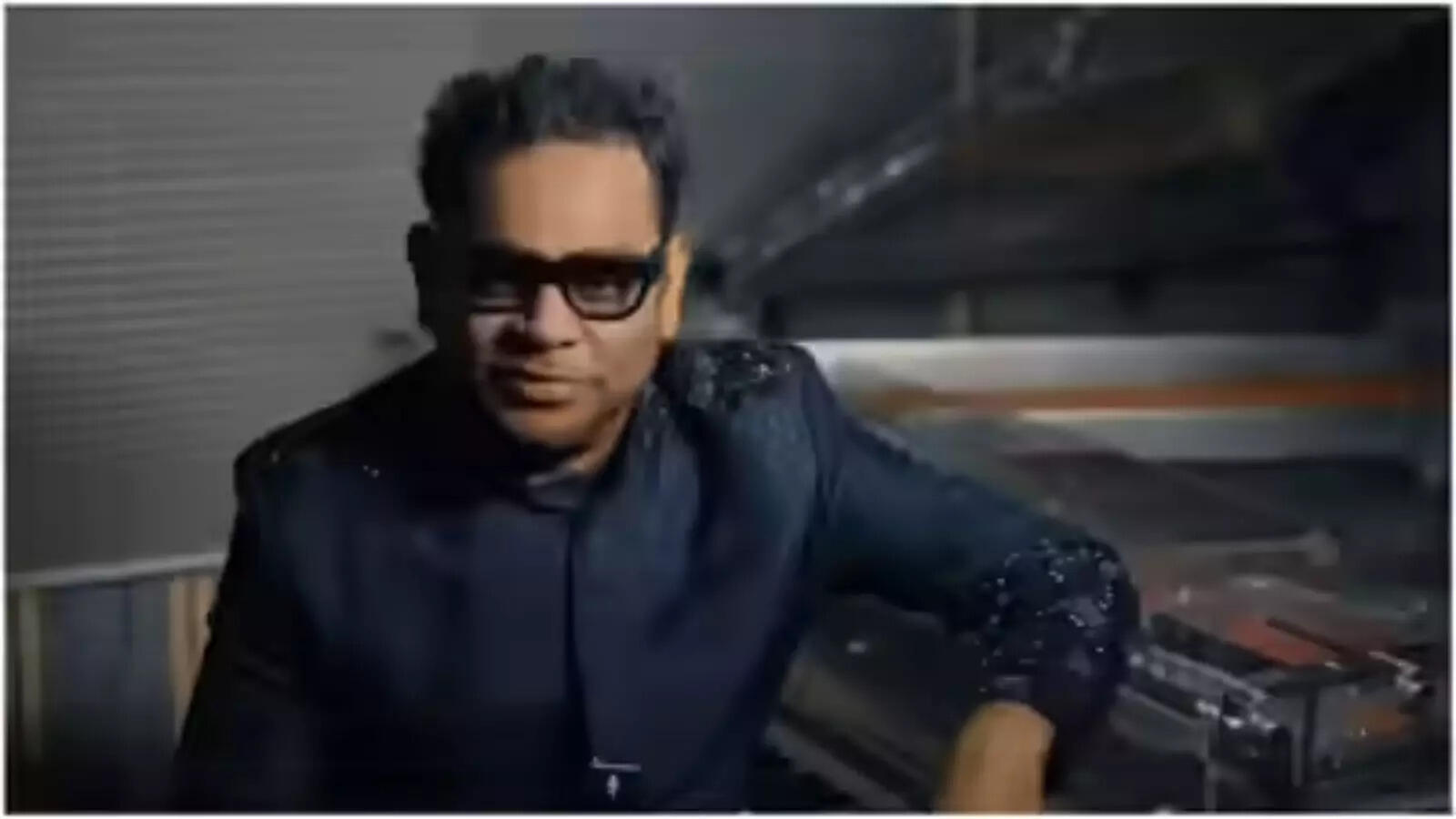
Following the backlash, AR Rahman issued a clarification video, stating that his comments were misunderstood and that he never intended to hurt anyone’s sentiments. As discussions around the controversy continued, Mithoon defended the legendary composer, emphasising Rahman’s right to express his views and underscoring his immense contribution to Indian music and cinema.
In a conversation, Mithoon spoke about his long-standing admiration for Rahman and the influence he has had on generations of musicians. “I have grown up looking up to Rahman sir. He was the man who threw every textbook rule out of the window, yet created a powerful impact in our industry,” Mithoon said. He further added that after more than three decades in the industry, Rahman has earned the right to express his thoughts, noting that the audience’s enduring love for his work is proof of his legacy.
Addressing the issue of the alleged shift in power within the entertainment industry, Mithoon said he has not personally experienced such a situation, but acknowledged that similar dynamics exist across professions. “This must be happening in every field. Ultimately, our job is to engage the audience with our art,” he remarked.
The controversy began after Rahman stated in the BBC Asian Network interview, “People who are not creative have the power now to decide things, and this might have been a communal thing also, but not in my face.” He added that such decisions often reached him indirectly, referring to them as “Chinese whispers.”
In his clarification video, AR Rahman reiterated that music has always been his medium to connect with and celebrate India’s diverse culture. He stressed that he has never wished to cause pain and expressed pride in the country’s freedom of expression and multicultural values. Highlighting several projects that reflect his commitment to inclusivity, Rahman reaffirmed his gratitude to India and his continued dedication to music.
Following the backlash, AR Rahman issued a clarification video, stating that his comments were misunderstood and that he never intended to hurt anyone’s sentiments. As discussions around the controversy continued, Mithoon defended the legendary composer, emphasising Rahman’s right to express his views and underscoring his immense contribution to Indian music and cinema.
In a conversation, Mithoon spoke about his long-standing admiration for Rahman and the influence he has had on generations of musicians. “I have grown up looking up to Rahman sir. He was the man who threw every textbook rule out of the window, yet created a powerful impact in our industry,” Mithoon said. He further added that after more than three decades in the industry, Rahman has earned the right to express his thoughts, noting that the audience’s enduring love for his work is proof of his legacy.
Addressing the issue of the alleged shift in power within the entertainment industry, Mithoon said he has not personally experienced such a situation, but acknowledged that similar dynamics exist across professions. “This must be happening in every field. Ultimately, our job is to engage the audience with our art,” he remarked.
The controversy began after Rahman stated in the BBC Asian Network interview, “People who are not creative have the power now to decide things, and this might have been a communal thing also, but not in my face.” He added that such decisions often reached him indirectly, referring to them as “Chinese whispers.”
In his clarification video, AR Rahman reiterated that music has always been his medium to connect with and celebrate India’s diverse culture. He stressed that he has never wished to cause pain and expressed pride in the country’s freedom of expression and multicultural values. Highlighting several projects that reflect his commitment to inclusivity, Rahman reaffirmed his gratitude to India and his continued dedication to music.
Next Story