
Oscars Producers Respond to Backlash Over ‘In Memoriam’ Omissions of Dharmendra and Eric Dane

The producers of the Academy Awards have addressed growing criticism surrounding the In Memoriam segment at this year’s ceremony, following backlash over the omission of several notable names. Among those reportedly missing from the televised tribute were veteran Indian actor Dharmendra and Hollywood actor Eric Dane, sparking conversations online about representation and recognition.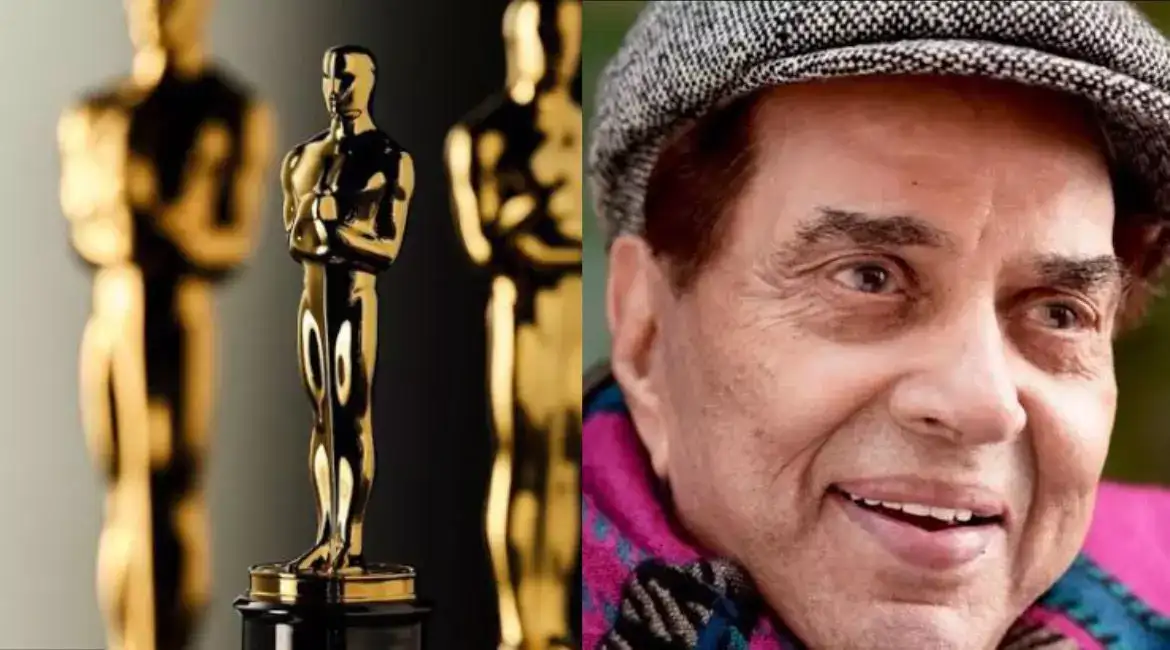
The In Memoriam segment is a long-standing tradition at the Oscars, dedicated to honouring members of the film industry who passed away in the previous year. However, each year the segment often draws scrutiny due to its limited runtime, which makes it difficult to include every individual who has contributed to cinema.
In response to the recent criticism, the producers clarified that the televised tribute is only a part of a broader effort to remember those who have passed. They explained that while the on-stage segment is constrained by time, a more comprehensive list of names is published on the official Academy website. This digital archive ensures that all eligible members are acknowledged, even if they are not featured during the live broadcast.
Despite this explanation, the omission of Dharmendra, a legendary figure in Indian cinema with a career spanning decades, has particularly upset fans in India. Many social media users expressed disappointment, arguing that his contributions to global cinema deserved recognition on such a prestigious platform. Similarly, the absence of Eric Dane, known for his work in television and film, also drew reactions from international audiences.
Critics have pointed out that the Oscars, as a global event, are expected to represent a wide range of cinematic contributions from across the world. When prominent names are left out, it often raises questions about how selections are made and whether certain industries or regions are underrepresented.
On the other hand, some industry insiders have defended the producers, noting the logistical challenges involved in curating the segment. With hundreds of industry professionals passing away each year, fitting all names into a short televised tribute becomes nearly impossible. Decisions are often influenced by factors such as global recognition, recent activity, and the overall narrative of the segment.
This is not the first time the In Memoriam segment has sparked controversy. Over the years, similar debates have emerged whenever well-known figures were excluded, highlighting the emotional significance attached to the tribute. For many viewers, the segment is not just a formality but a moment of collective remembrance and respect.
The Academy’s response attempts to strike a balance between acknowledging these concerns and explaining the practical limitations of live television. While the online archive offers a more inclusive record, the emotional impact of being featured during the live broadcast remains unmatched.
As discussions continue, the controversy once again underscores the challenge of representing a vast and diverse global film community within a limited timeframe. The debate also reflects the evolving expectations from major international platforms like the Oscars, where audiences increasingly seek inclusivity and recognition for talent across borders.
The In Memoriam segment is a long-standing tradition at the Oscars, dedicated to honouring members of the film industry who passed away in the previous year. However, each year the segment often draws scrutiny due to its limited runtime, which makes it difficult to include every individual who has contributed to cinema.
In response to the recent criticism, the producers clarified that the televised tribute is only a part of a broader effort to remember those who have passed. They explained that while the on-stage segment is constrained by time, a more comprehensive list of names is published on the official Academy website. This digital archive ensures that all eligible members are acknowledged, even if they are not featured during the live broadcast.
Despite this explanation, the omission of Dharmendra, a legendary figure in Indian cinema with a career spanning decades, has particularly upset fans in India. Many social media users expressed disappointment, arguing that his contributions to global cinema deserved recognition on such a prestigious platform. Similarly, the absence of Eric Dane, known for his work in television and film, also drew reactions from international audiences.
Critics have pointed out that the Oscars, as a global event, are expected to represent a wide range of cinematic contributions from across the world. When prominent names are left out, it often raises questions about how selections are made and whether certain industries or regions are underrepresented.
On the other hand, some industry insiders have defended the producers, noting the logistical challenges involved in curating the segment. With hundreds of industry professionals passing away each year, fitting all names into a short televised tribute becomes nearly impossible. Decisions are often influenced by factors such as global recognition, recent activity, and the overall narrative of the segment.
This is not the first time the In Memoriam segment has sparked controversy. Over the years, similar debates have emerged whenever well-known figures were excluded, highlighting the emotional significance attached to the tribute. For many viewers, the segment is not just a formality but a moment of collective remembrance and respect.
The Academy’s response attempts to strike a balance between acknowledging these concerns and explaining the practical limitations of live television. While the online archive offers a more inclusive record, the emotional impact of being featured during the live broadcast remains unmatched.
As discussions continue, the controversy once again underscores the challenge of representing a vast and diverse global film community within a limited timeframe. The debate also reflects the evolving expectations from major international platforms like the Oscars, where audiences increasingly seek inclusivity and recognition for talent across borders.
Next Story