
Rashmika Mandanna Says Sikandar Script Changed Midway, Sparking Fresh Online Debate

Actor Rashmika Mandanna has opened up about her experience working on the action drama Sikandar, saying that the film’s story was significantly altered during the course of production from what she originally heard during the script narration. In a recent interview with a Telugu journalist, she said that while she was initially drawn to the script she was given, the actual narrative that reached audiences differed quite a bit by the time the film was completed.
Mandanna explained that such changes can happen in filmmaking, as multiple elements like performance choices, editing decisions and even shifts in release plans can cause a script to evolve from its initial version. She said that the story she had been told during the early stages was compelling, but that many aspects changed as the project progressed, ultimately altering how the film played out on screen.
Sikandar, which starred Rashmika Mandanna opposite Salman Khan and was directed by AR Murugadoss, was released in theatres in March 2025 during the Eid period but failed to connect with audiences in the way many had expected. Despite featuring one of Hindi cinema’s biggest stars, the film’s box-office returns were below projections, and reviews frequently pointed to a weak narrative and a lack of on-screen chemistry between the leads.
Following the film’s release, social media users revived debates about what might have gone wrong with Sikandar, with many noting that the changes in story and editing may have contributed to its incoherence and lack of emotional impact. Online commenters also highlighted that certain character arcs and subplots felt underdeveloped, suggesting that editing decisions and narrative cuts may have stripped the film of cohesion.
Fans and critics alike revisited the movie’s themes after Mandanna’s comments, with some speculating that the actress may have had a more prominent role in the original version of the script. Others remarked that even with early buzz and star power, the execution failed to convert audience interest into positive word-of-mouth.
The film’s financial outcome reflected these challenges. Made on a reported budget near ₹200 crore, its worldwide box-office collections were significantly lower, indicating that Sikandar did not recover costs through theatrical revenue alone. This further fuelled online conversation about both creative and production choices that shaped the final product.
Mandanna’s remarks add context to the ongoing discussion about how creative shifts during production can impact a film’s reception. Directors, actors and production teams often make adjustments during filming and post-production, but major departures from the original narrative can sometimes lead to stories that feel disjointed or less engaging for audiences.
As conversations continue online, many viewers have reflected on Mandanna’s suggestion that what was presented to her and what ultimately reached theatres were markedly different, raising questions about the filmmaking process and the challenges of maintaining a coherent vision amid evolving creative decisions.
Mandanna explained that such changes can happen in filmmaking, as multiple elements like performance choices, editing decisions and even shifts in release plans can cause a script to evolve from its initial version. She said that the story she had been told during the early stages was compelling, but that many aspects changed as the project progressed, ultimately altering how the film played out on screen.
Sikandar, which starred Rashmika Mandanna opposite Salman Khan and was directed by AR Murugadoss, was released in theatres in March 2025 during the Eid period but failed to connect with audiences in the way many had expected. Despite featuring one of Hindi cinema’s biggest stars, the film’s box-office returns were below projections, and reviews frequently pointed to a weak narrative and a lack of on-screen chemistry between the leads.
You may also like
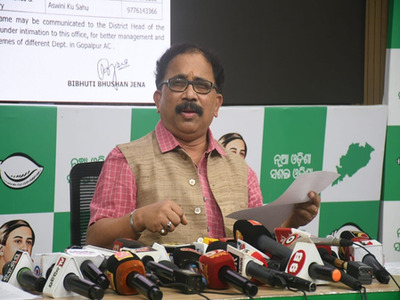 Odisha: BJD targets Mines Minister Bibhuti Jena after ED raids in Ganjam
- Nitin Nabin's era begins: BJP to appoint its youngest national president tomorrow
 Rohini Acharya attacks Nitish govt over women's safety; questions law and order in Bihar
 Indian Railways runs 244 special trains during Mauni Amavasya, carrying over 4.5 lakh passengers in just two weeks
- Maharashtra to see more Davos pacts this year, great interest in Mumbai too: Fadnavis
Following the film’s release, social media users revived debates about what might have gone wrong with Sikandar, with many noting that the changes in story and editing may have contributed to its incoherence and lack of emotional impact. Online commenters also highlighted that certain character arcs and subplots felt underdeveloped, suggesting that editing decisions and narrative cuts may have stripped the film of cohesion.
Fans and critics alike revisited the movie’s themes after Mandanna’s comments, with some speculating that the actress may have had a more prominent role in the original version of the script. Others remarked that even with early buzz and star power, the execution failed to convert audience interest into positive word-of-mouth.
The film’s financial outcome reflected these challenges. Made on a reported budget near ₹200 crore, its worldwide box-office collections were significantly lower, indicating that Sikandar did not recover costs through theatrical revenue alone. This further fuelled online conversation about both creative and production choices that shaped the final product.
Mandanna’s remarks add context to the ongoing discussion about how creative shifts during production can impact a film’s reception. Directors, actors and production teams often make adjustments during filming and post-production, but major departures from the original narrative can sometimes lead to stories that feel disjointed or less engaging for audiences.
As conversations continue online, many viewers have reflected on Mandanna’s suggestion that what was presented to her and what ultimately reached theatres were markedly different, raising questions about the filmmaking process and the challenges of maintaining a coherent vision amid evolving creative decisions.






More from our partners


Loving Newspoint? Download the app now
