RGV On Dhurandhar: Why Aditya Dhar’s Film Became A Creative Wake-Up Call

Veteran filmmaker Ram Gopal Varma, known for shaping modern Indian cinema with path-breaking films such as Satya, Company and Siva, has once again sparked discussion within the film industry. This time, the director has openly expressed admiration for Aditya Dhar’s blockbuster Dhurandhar, calling it a film that not only impressed him creatively but also unsettled the industry with its scale and impact. Varma’s praise comes in the form of a detailed social media post, where he candidly shared what the film has taught him as a director who has witnessed multiple generations of cinema.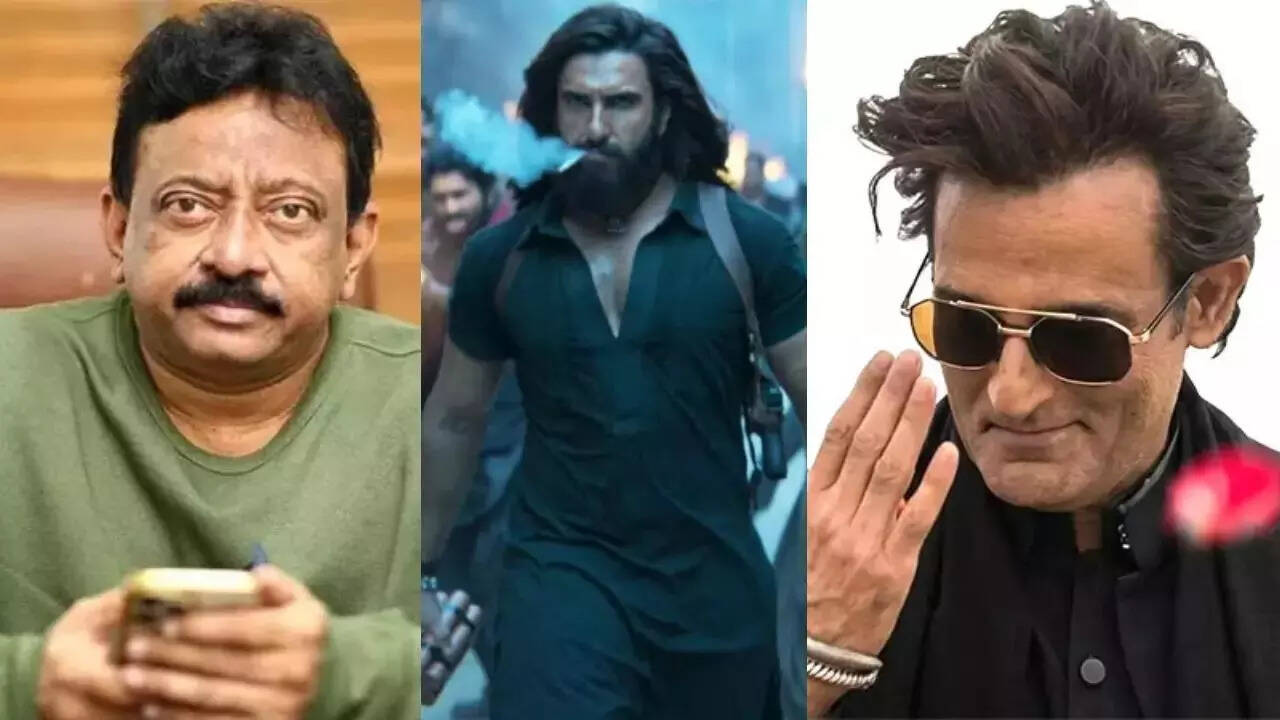
The filmmaker acknowledged that his cinematic education has always been shaped by legends like Francis Ford Coppola. He explained that from Coppola he learned "intense closeted drama," an approach he consciously applied in films such as Satya, Company and Sarkar. However, Dhurandhar, according to Varma, revealed a fresh dimension to that technique, showing him that "approach can work far more effectively with scale."
Another striking insight, as Varma noted, was the writing approach. "Writing scenes assuming the audience will feel even before they understand is a new one," he shared, pointing to the film’s ability to connect emotionally even before its full meaning unfolds.
Summing up this shift, Varma added, "Making a star disappear into the story is a new one," highlighting how Dhar’s storytelling prioritises character over stardom.
One of his more philosophical observations was about sound design, stating that "sound and music in a strange mating ritual can become the lead psychological forces even more powerful than dialogue and visual."
Concluding his reflection, Varma offered a deeply personal realisation. "My final learning is that i don’t need to grow by myself , but i need to catch up with what others have become," he wrote, before thanking Dhar directly with the line, "Hey @AdityaDharFilms, thank you for becoming the new Ayn Rand of my life - “ Art is not what it is .. Art is what it could be"."
The post has since drawn attention for its rare humility and openness, reinforcing how Dhurandhar has sparked meaningful conversations across the Indian film industry.
Ram Gopal Varma On Learning Beyond Generations
Taking to X, formerly Twitter, Varma highlighted how creative growth does not stop with learning from filmmakers of the past. He wrote that a director evolves not just from predecessors but also from those who arrive later and challenge existing norms. Setting the context for his reflection, he stated, "In that context here are my new learnings from Aditya Dhar’s DURANDHAR."The filmmaker acknowledged that his cinematic education has always been shaped by legends like Francis Ford Coppola. He explained that from Coppola he learned "intense closeted drama," an approach he consciously applied in films such as Satya, Company and Sarkar. However, Dhurandhar, according to Varma, revealed a fresh dimension to that technique, showing him that "approach can work far more effectively with scale."
Redefining Violence And Emotional Action
One of Varma’s strongest takeaways from Dhurandhar lies in how the film treats violence and action. He observed that the film reinforced the idea that "violence should hurt the viewer" rather than merely entertain. According to him, action sequences in Dhar’s film function "as an organic and emotional projection," adding depth to the narrative rather than existing as standalone spectacle.Another striking insight, as Varma noted, was the writing approach. "Writing scenes assuming the audience will feel even before they understand is a new one," he shared, pointing to the film’s ability to connect emotionally even before its full meaning unfolds.
A New Kind Of Hero Elevation
Varma also reflected on his own long-standing resistance to the conventional “hero elevation” trope in mainstream cinema. He recalled creating characters like Bhiku Mhatre and directing Amitabh Bachchan in Sarkar without relying on slow-motion shots or exaggerated heroism. Yet, Dhurandhar impressed him by achieving something different. He admitted that the film "invents a never before seen or experience new kind of elevation in creating flawed by consequence driven heroes."Summing up this shift, Varma added, "Making a star disappear into the story is a new one," highlighting how Dhar’s storytelling prioritises character over stardom.
Sound, Structure And Creative Freedom
Beyond character and action, Varma also praised Dhurandhar for its technical and narrative choices. He noted how its fractured narrative structure is handled with such control that it continues to "command attention." He further remarked that the film does not seek validation and instead trusts its craft.One of his more philosophical observations was about sound design, stating that "sound and music in a strange mating ritual can become the lead psychological forces even more powerful than dialogue and visual."
Concluding his reflection, Varma offered a deeply personal realisation. "My final learning is that i don’t need to grow by myself , but i need to catch up with what others have become," he wrote, before thanking Dhar directly with the line, "Hey @AdityaDharFilms, thank you for becoming the new Ayn Rand of my life - “ Art is not what it is .. Art is what it could be"."
The post has since drawn attention for its rare humility and openness, reinforcing how Dhurandhar has sparked meaningful conversations across the Indian film industry.
Next Story