RGV’s Cryptic Comment Reignites Debate on What Went Wrong With Bollywood Cinema

Ram Gopal Varma has once again sparked a wide-ranging conversation in film circles, this time through his reaction to Dhurandhar . The filmmaker’s detailed social media thread went far beyond a routine film review and quickly turned into a reflection on where mainstream cinema may be headed.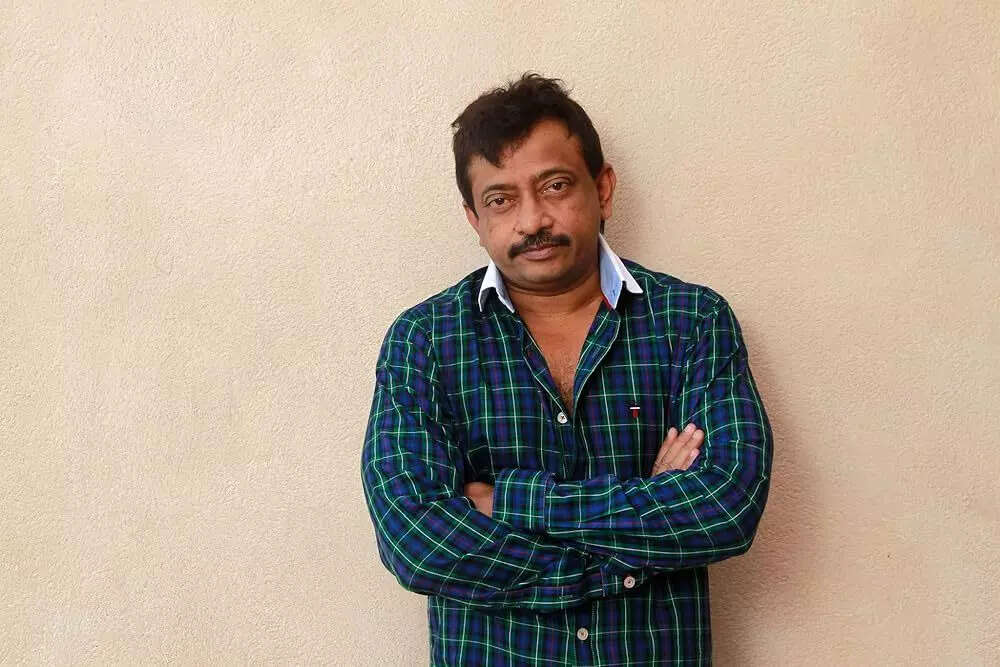
Describing Dhurandhar as a “quantum leap,” RGV positioned the film as a disruptive force rather than standard commercial entertainment. His remarks subtly questioned familiar storytelling formulas without directly naming any film or filmmaker. As Dhurandhar continues to enjoy a strong box-office run, Varma’s comments were widely read as a signal of growing unease within the industry and a call to re-evaluate creative comfort zones.
The post spread rapidly across social media, drawing reactions from several industry figures. Veteran actor Paresh Rawal joined the conversation, stating that critics should learn how to review films from Ram Gopal Varma. Director Aditya Dhar also responded, expressing admiration for Varma and acknowledging that it was RGV’s films that taught him how to be fearless in filmmaking.
The discussion deepened when a film-focused social media handle pointed out that filmmakers behind landmark titles such as Baahubali: The Beginning, Pokiri, Animal, and Dhurandhar have all openly acknowledged Ram Gopal Varma’s influence on their creative journeys. Instead of embracing the praise, however, Varma chose to respond with striking honesty and self-reflection.
Replying to the post, the filmmaker wrote: “This reminds me of a female model who became immensely popular in a soap commercial .. The owner of the brand asked his board ‘Ok, we made the model popular, but what about the soap?’.”
He followed it up with an emotional note, adding: “Likewise it sounds nice that i INSPIRED all these great directors to become GREAT, but when will me, the INSPIRER become GREAT? 😫😫😫😢”
The comment resonated deeply, given Varma’s legacy. He is widely credited with redefining the grammar of Indian cinema in the late 1990s and early 2000s through films such as Shiva, Satya, Company, Rangeela, Bhoot, Kaun?, Jungle, Sarkar, and Sarkar Raj. His work during that phase reshaped urban storytelling, introduced a new visual language, and influenced an entire generation of filmmakers.
Now, Ram Gopal Varma is preparing for his return to Hindi cinema with Police Station Mein Bhoot , starring Manoj Bajpayee, Genelia D’Souza, and Ramya Krishnan. Scheduled for a 2026 release, the film will mark Varma’s reunion with Bajpayee after nearly a decade. Their last collaboration was Sarkar 3, which also featured Amitabh Bachchan in a pivotal role.
Whether his recent remarks were meant as praise, provocation, or personal reckoning, they have clearly struck a nerve. Once again, Ram Gopal Varma has managed to turn a film review into a larger conversation about creativity, legacy, and the future direction of Indian cinema.
Describing Dhurandhar as a “quantum leap,” RGV positioned the film as a disruptive force rather than standard commercial entertainment. His remarks subtly questioned familiar storytelling formulas without directly naming any film or filmmaker. As Dhurandhar continues to enjoy a strong box-office run, Varma’s comments were widely read as a signal of growing unease within the industry and a call to re-evaluate creative comfort zones.
The post spread rapidly across social media, drawing reactions from several industry figures. Veteran actor Paresh Rawal joined the conversation, stating that critics should learn how to review films from Ram Gopal Varma. Director Aditya Dhar also responded, expressing admiration for Varma and acknowledging that it was RGV’s films that taught him how to be fearless in filmmaking.
The discussion deepened when a film-focused social media handle pointed out that filmmakers behind landmark titles such as Baahubali: The Beginning, Pokiri, Animal, and Dhurandhar have all openly acknowledged Ram Gopal Varma’s influence on their creative journeys. Instead of embracing the praise, however, Varma chose to respond with striking honesty and self-reflection.
Replying to the post, the filmmaker wrote: “This reminds me of a female model who became immensely popular in a soap commercial .. The owner of the brand asked his board ‘Ok, we made the model popular, but what about the soap?’.”
You may also like
 One day, I'll stop by again, says Vijay Deverakonda to man who imitates his ride to Diskit from 'Dear Comrade'
- CLAT 2026 counselling process begins at consortiumofnlus.ac.in; check how to apply, registration fee, required documents and last date
- 'My flag will soon fly across Bengal': Humayun Kabir on forming new party
 Dense fog engulfs nothern India, air quality remains affected
- Hyderabad airport receives bomb threat for Amsterdam flight
He followed it up with an emotional note, adding: “Likewise it sounds nice that i INSPIRED all these great directors to become GREAT, but when will me, the INSPIRER become GREAT? 😫😫😫😢”
The comment resonated deeply, given Varma’s legacy. He is widely credited with redefining the grammar of Indian cinema in the late 1990s and early 2000s through films such as Shiva, Satya, Company, Rangeela, Bhoot, Kaun?, Jungle, Sarkar, and Sarkar Raj. His work during that phase reshaped urban storytelling, introduced a new visual language, and influenced an entire generation of filmmakers.
Now, Ram Gopal Varma is preparing for his return to Hindi cinema with Police Station Mein Bhoot , starring Manoj Bajpayee, Genelia D’Souza, and Ramya Krishnan. Scheduled for a 2026 release, the film will mark Varma’s reunion with Bajpayee after nearly a decade. Their last collaboration was Sarkar 3, which also featured Amitabh Bachchan in a pivotal role.
Whether his recent remarks were meant as praise, provocation, or personal reckoning, they have clearly struck a nerve. Once again, Ram Gopal Varma has managed to turn a film review into a larger conversation about creativity, legacy, and the future direction of Indian cinema.






More from our partners


Loving Newspoint? Download the app now
