
Why Short-Form Series Are Dominating OTT and Social Media Entertainment

The timespan of entertainment consumption has shifted from long hours to just 60 seconds for viewers. Today, some of the most addictive narratives unfold in under five minutes. As audiences are increasingly losing their patience for long-form story-telling, short-form series are reshaping the entertainment landscape. From micro-dramas on social media to bite-sized episodes on streaming platforms, short-form content is rapidly gaining popularity.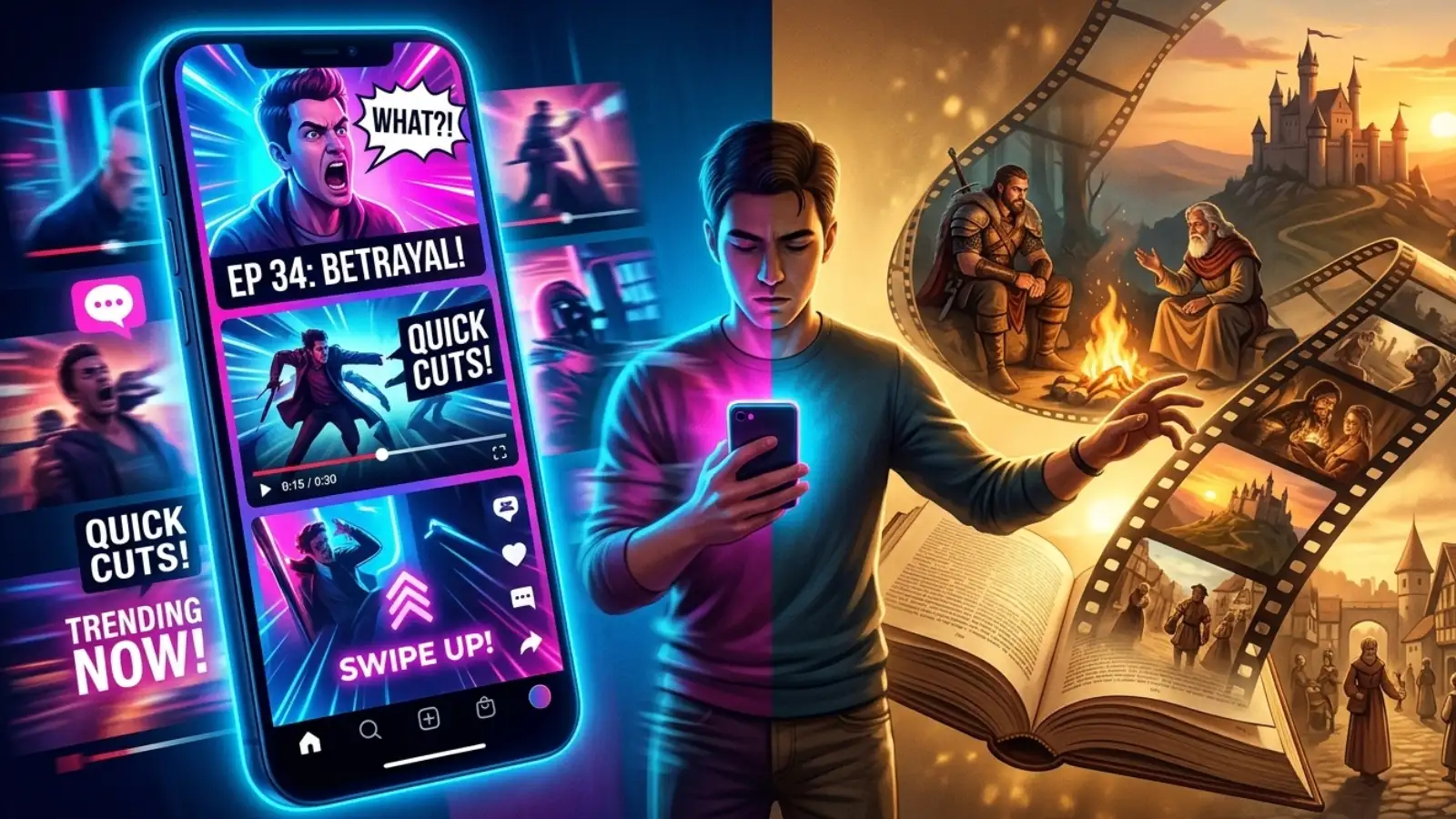
The shift is not just about shorter attention spans but also about convenience and instant connection. Short dramas are aligning with the preferences of Gen Z and millennials, who prefer content they can watch anytime and anywhere. Vertical micro-dramas, designed specifically for mobile scrolling, first gained popularity on platforms like TikTok and Instagram Reels.
In this context, short stories are easier to consume and less demanding, offering quick entertainment. Viewers also do not have to wait long for the story to build up. Platforms like ReelShort , DramaBox , and ByteDance’s video platforms have helped establish micro-dramas as a mainstream form of entertainment rather than a niche trend.
However, traditional storytelling still holds its ground with layered characters, slow story arcs and emotional payoff that short series still lacks. At the same time, short-form content has made storytelling more accessible, allowing new creators to experiment without the need for big budgets.
The shift is not just about shorter attention spans but also about convenience and instant connection. Short dramas are aligning with the preferences of Gen Z and millennials, who prefer content they can watch anytime and anywhere. Vertical micro-dramas, designed specifically for mobile scrolling, first gained popularity on platforms like TikTok and Instagram Reels.
Why Audiences Are Choosing Shorter Stories
Nowadays, people are used to scrolling quickly, and long content makes them lose interest fast. Content needs to grab viewers’ attention instantly to keep them engaged. Another reason for the growing popularity of short series is the overwhelming number of shows and movies available on OTT platforms . As a result, people do not want to commit hours to a single story.You may also like
- Javed Akhtar called Karan Johar 'weird' and 'adamant', stepped out of Kuch Kuch Hota Hai, Sameer Anjaan called him before taking up the film
- Sundar Pichai, Ranbir Kapoor, Vikas Khanna make it to TIME's 100 most influential list
- Bollywood Box Office Collection & Verdicts 2026
- Angad Hasija to join Tumm Se Tumm Tak as the parallel lead
- Dhurandhar 2 Worldwide Box Office Day 27: Needs 50.26 Crore More To Become 2nd Highest-Grossing Indian Film Of All Time
In this context, short stories are easier to consume and less demanding, offering quick entertainment. Viewers also do not have to wait long for the story to build up. Platforms like ReelShort , DramaBox , and ByteDance’s video platforms have helped establish micro-dramas as a mainstream form of entertainment rather than a niche trend.
Is Traditional Storytelling at Risk?
With the rising popularity of short-dramas, traditional storytelling is facing new challenges. Short-form content now dominates attention spans, forcing longer content to work harder to retain viewers. The episodic nature of micro-dramas creates quick and frequent engagement, as they are often released daily or even hourly. This puts pressure on long-form content creators, who must grab attention within seconds and often prioritise speed over depth.However, traditional storytelling still holds its ground with layered characters, slow story arcs and emotional payoff that short series still lacks. At the same time, short-form content has made storytelling more accessible, allowing new creators to experiment without the need for big budgets.
Are Creators Adapting or Compromising?
As short-form series continue to dominate digital platforms, creators are being pushed to rethink their storytelling to align with platform algorithms. The rise of short-form content has not only changed audience behavior but has also reshaped the creative process behind the scenes. Writers now have to adapt their narratives to boost viewer engagement and visibility. The pressure is to hook the audience instantly while still delivering meaningful content. However, alongside certain compromises, this shift is also opening creative opportunities rather than just limiting them.





More from our partners


Loving Newspoint? Download the app now
