
From TV Writer to Jawan and Border 2: Sumit Arora on Money, Myths and Movies

Dialogue writer Sumit Arora, now among the most in-demand writers in Mumbai, recently reflected on his unconventional journey through the entertainment industry in an unfiltered conversation with Hindustan Times. Known for writing dialogues for stars ranging from Shah Rukh Khan and Sunny Deol to Rajkummar Rao and Manoj Bajpayee, Sumit’s career began not in films, but on television.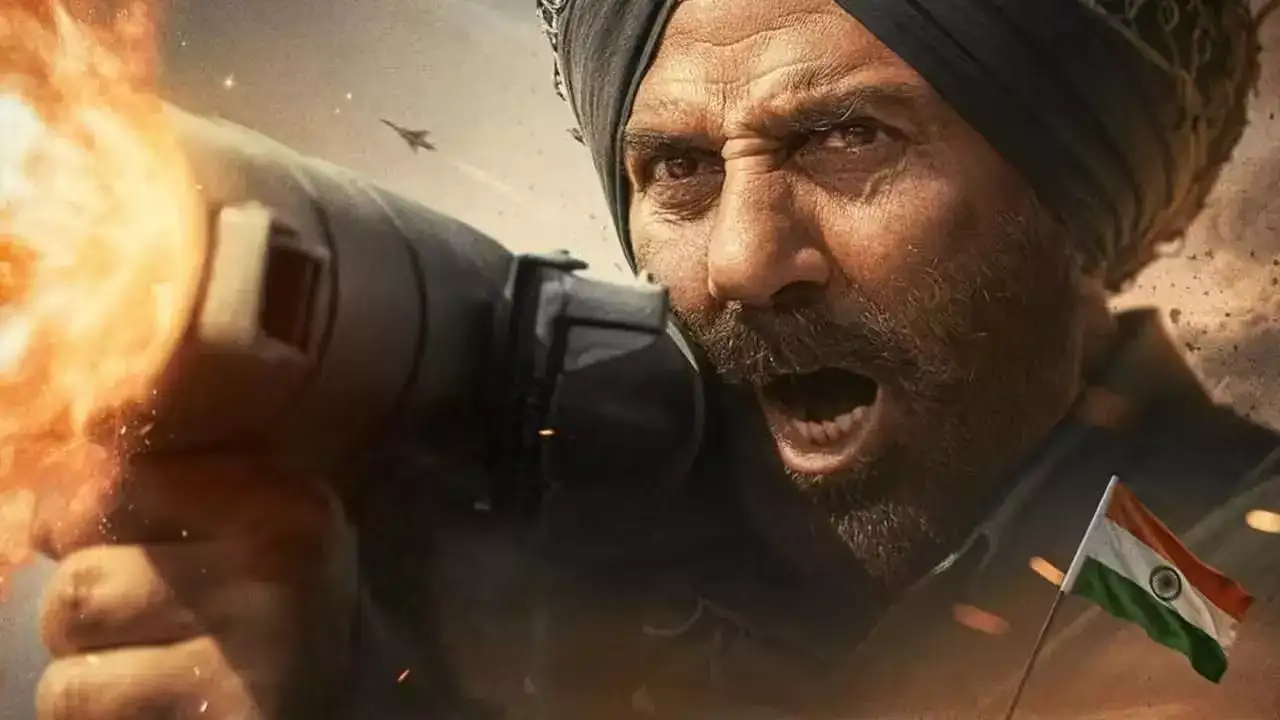
He started out writing for popular TV shows such as Dill Mill Gayye and Saadda Haq, a phase he admits was driven largely by necessity. Arriving in Mumbai at just 18, with limited English skills and no formal understanding of the craft, Sumit found himself struggling to survive. With only ₹4,000 in hand, he joined Balaji Telefilms as a trainee writer, a move that offered him accommodation and a steady stipend.
Television brought him success and money early in life, something that proved both empowering and awkward. Within two years, he was earning 10–15 times his father’s salary, a reality that raised eyebrows back home. “My father was told I had joined some gang in Mumbai, some underworld gang. He was told, ‘Tumhara beta kya kar raha hai, itne paise kahan se aa rahe hain,’” Sumit recalls, laughing now but admitting it was a serious concern at the time.
The money he earned during his TV years allowed him to invest in his growth as a filmmaker. He eventually directed a short film in 2015, released in 2016, and around the same time struck up a friendship with director Amar Kaushik. That connection led to a pivotal moment, writing dialogue samples for Stree. Unbeknownst to him, the sample was effectively an audition shared with multiple writers. His writing, especially the now-iconic ‘Bicky Pleaj’ exchange between Rajkummar Rao and Aparshakti Khurrana, sealed the deal.
After rooted films like Stree and realistic series such as The Family Man, Sumit made a mainstream leap with Shah Rukh Khan’s Jawan. Addressing perceptions around “going massy,” he maintained that every film demands its own voice. He cited the spiritual poem recited by Shah Rukh Khan in Jawan as an example of adding a personal layer even within a large-scale commercial film.
If Jawan was mass-driven, Sunny Deol’s Border 2 pushed that scale further. Writing dialogues for the sequel to an iconic war film brought a mix of pressure and excitement. Sumit described it as a dream come true, recalling how he watched Border as a child in Meerut and memorised its dialogues, only to later find himself contributing to its legacy.
Despite a career spanning television, films and web series, Sumit is clear about his favourites. Stree remains closest to his heart as his first major film, while Jawan stands out for teaching him how to work under pressure and observe filmmaking up close.
He started out writing for popular TV shows such as Dill Mill Gayye and Saadda Haq, a phase he admits was driven largely by necessity. Arriving in Mumbai at just 18, with limited English skills and no formal understanding of the craft, Sumit found himself struggling to survive. With only ₹4,000 in hand, he joined Balaji Telefilms as a trainee writer, a move that offered him accommodation and a steady stipend.
Television brought him success and money early in life, something that proved both empowering and awkward. Within two years, he was earning 10–15 times his father’s salary, a reality that raised eyebrows back home. “My father was told I had joined some gang in Mumbai, some underworld gang. He was told, ‘Tumhara beta kya kar raha hai, itne paise kahan se aa rahe hain,’” Sumit recalls, laughing now but admitting it was a serious concern at the time.
You may also like
 Twisting through hills, Shimla highway ode to colonial-era landmarks
- SC terms siphoning of over Rs 54,000 cr by digital fraud 'dacoity', asks Centre to frame SoP
 Delhi CM Rekha Gupta launches six new air quality monitoring systems
- 'Name was Lucky Ali, but my wallet was always empty': Singer, now a Bengaluru farmer, proves you don't need ambition to be successful
- Pandorum Technologies Bags $18 Mn To Scale Advanced Tissue-Repair Therapies
The money he earned during his TV years allowed him to invest in his growth as a filmmaker. He eventually directed a short film in 2015, released in 2016, and around the same time struck up a friendship with director Amar Kaushik. That connection led to a pivotal moment, writing dialogue samples for Stree. Unbeknownst to him, the sample was effectively an audition shared with multiple writers. His writing, especially the now-iconic ‘Bicky Pleaj’ exchange between Rajkummar Rao and Aparshakti Khurrana, sealed the deal.
After rooted films like Stree and realistic series such as The Family Man, Sumit made a mainstream leap with Shah Rukh Khan’s Jawan. Addressing perceptions around “going massy,” he maintained that every film demands its own voice. He cited the spiritual poem recited by Shah Rukh Khan in Jawan as an example of adding a personal layer even within a large-scale commercial film.
If Jawan was mass-driven, Sunny Deol’s Border 2 pushed that scale further. Writing dialogues for the sequel to an iconic war film brought a mix of pressure and excitement. Sumit described it as a dream come true, recalling how he watched Border as a child in Meerut and memorised its dialogues, only to later find himself contributing to its legacy.
Despite a career spanning television, films and web series, Sumit is clear about his favourites. Stree remains closest to his heart as his first major film, while Jawan stands out for teaching him how to work under pressure and observe filmmaking up close.






More from our partners


Loving Newspoint? Download the app now
