
Why Gen-Z Is Logging Off Social Media on Weekends: The Digital Detox Movement

For a generation that grew up online, Gen-Z is now beginning to question its relationship with social media. A noticeable trend has emerged in recent years - young users are choosing to log off during weekends, replacing endless scrolling with more mindful, offline experiences. What once seemed unthinkable is now becoming a lifestyle choice.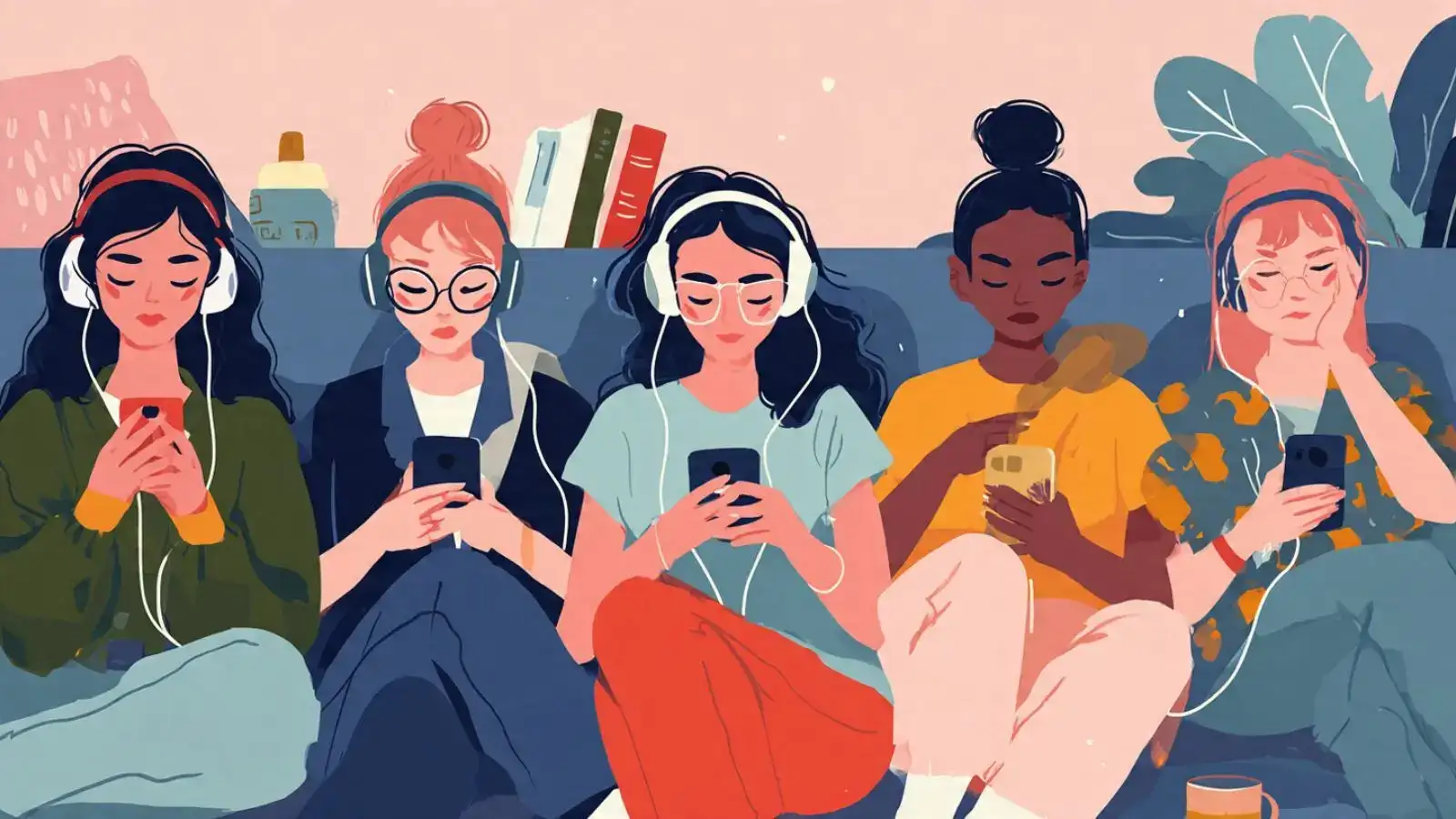
This shift is rooted in growing awareness about the psychological impact of constant digital exposure. Research by the American Psychological Association highlights that excessive social media use can contribute to stress, anxiety, and reduced overall well-being, particularly among young adults. With notifications, updates, and content consumption never really stopping, weekends are increasingly being seen as an opportunity to disconnect and recharge.
The idea of a “digital detox” is not entirely new, but it has evolved into a more structured habit for Gen-Z. Instead of occasional breaks, many are now intentionally setting boundaries, no Instagram, no Snapchat, and minimal screen time from Friday evening to Sunday night. This allows them to regain control over their time and attention, something that is often fragmented during the week.
Another major driver behind this trend is burnout. Between academic pressure, internships, side hustles, and the constant pressure to stay relevant online, young people are experiencing fatigue earlier than ever. Social media, while entertaining, often adds to this pressure through comparison culture and the need to maintain a curated digital identity. Taking a break helps reduce this mental load and creates space for self-reflection.
Interestingly, weekends without social media are not about isolation; they are about reconnection. Many Gen-Z individuals are using this time to engage in activities that were once overlooked: meeting friends in person, spending time with family, pursuing hobbies, or simply resting without the distraction of a screen. These offline interactions often feel more fulfilling, reinforcing the value of stepping away from the digital world.
The trend is also being normalized by influencers and content creators who openly share their own struggles with screen fatigue and advocate for healthier online habits. By doing so, they are shifting the narrative from constant presence to conscious participation.
In India, where smartphone penetration and internet usage continue to grow rapidly, this behavior reflects a subtle cultural shift. Gen-Z is not rejecting technology altogether but is learning to use it more intentionally. The rise of weekend digital detoxing shows a generation that is becoming increasingly self-aware, prioritizing mental health, balance, and real-life experiences over constant connectivity.
Ultimately, for Gen-Z, the real status symbol is no longer being online all the time, but having the control to switch off.
This shift is rooted in growing awareness about the psychological impact of constant digital exposure. Research by the American Psychological Association highlights that excessive social media use can contribute to stress, anxiety, and reduced overall well-being, particularly among young adults. With notifications, updates, and content consumption never really stopping, weekends are increasingly being seen as an opportunity to disconnect and recharge.
The idea of a “digital detox” is not entirely new, but it has evolved into a more structured habit for Gen-Z. Instead of occasional breaks, many are now intentionally setting boundaries, no Instagram, no Snapchat, and minimal screen time from Friday evening to Sunday night. This allows them to regain control over their time and attention, something that is often fragmented during the week.
Another major driver behind this trend is burnout. Between academic pressure, internships, side hustles, and the constant pressure to stay relevant online, young people are experiencing fatigue earlier than ever. Social media, while entertaining, often adds to this pressure through comparison culture and the need to maintain a curated digital identity. Taking a break helps reduce this mental load and creates space for self-reflection.
Interestingly, weekends without social media are not about isolation; they are about reconnection. Many Gen-Z individuals are using this time to engage in activities that were once overlooked: meeting friends in person, spending time with family, pursuing hobbies, or simply resting without the distraction of a screen. These offline interactions often feel more fulfilling, reinforcing the value of stepping away from the digital world.
The trend is also being normalized by influencers and content creators who openly share their own struggles with screen fatigue and advocate for healthier online habits. By doing so, they are shifting the narrative from constant presence to conscious participation.
In India, where smartphone penetration and internet usage continue to grow rapidly, this behavior reflects a subtle cultural shift. Gen-Z is not rejecting technology altogether but is learning to use it more intentionally. The rise of weekend digital detoxing shows a generation that is becoming increasingly self-aware, prioritizing mental health, balance, and real-life experiences over constant connectivity.
Ultimately, for Gen-Z, the real status symbol is no longer being online all the time, but having the control to switch off.
Next Story