
The Top 10 Political Science Fiction Novels You Must Read

Political science fiction is a genre that deftly weaves together the speculative elements of science fiction with the intricate and often contentious world of politics. By envisioning future societies, dystopias, or alien civilisations, these stories examine political theories, governance, and the nature of power. They serve not only as entertainment but also as a reflection on current political landscapes and a critique of potential future scenarios. The following list highlights ten of the best political science fiction novels , each offering unique insights into the intersection of politics and speculative storytelling.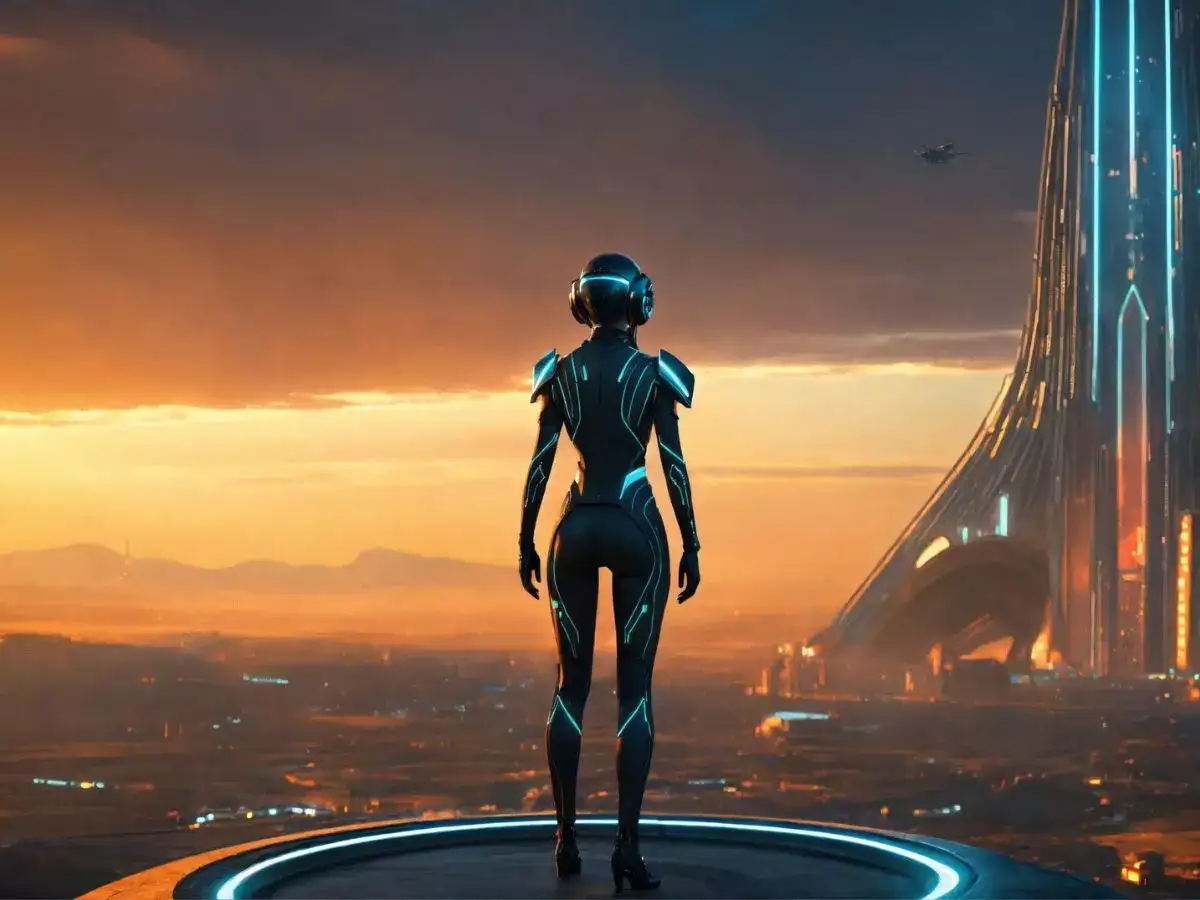
1. Dune by Frank Herbert
Frank Herbert’s Dune is a monumental work in the realm of political science fiction. Set in a distant future where noble houses vie for control of the desert planet Arrakis and its valuable spice melange, Dune explores themes of power, religion, and ecology. The complex political manoeuvring, combined with the intricate details of Herbert's universe, makes this novel a cornerstone of the genre. The struggle for control over Arrakis serves as a microcosm for broader political and ecological issues, illustrating the delicate balance between resource control and power.
2. 1984 by George Orwell
George Orwell’s 1984 is a seminal work that has had a profound impact on political discourse. Set in a dystopian future where totalitarian regimes rule through surveillance, propaganda, and thought control, the novel delves into the mechanisms of oppression and the loss of individual freedoms. Orwell’s depiction of a world where truth is malleable and dissent is crushed underlines the dangers of unchecked political power, making 1984 a timeless critique of authoritarianism.
3. The Dispossessed by Ursula K. Le Guin
The Dispossessed by Ursula K. Le Guin is a thought-provoking exploration of utopian and dystopian societies. The novel follows Shevek, a physicist from the anarchist society of Anarres, as he travels to the capitalist world of Urras. Through Shevek's journey, Le Guin examines the strengths and weaknesses of both political systems, questioning the nature of freedom, equality, and individualism. The novel's nuanced portrayal of political ideologies makes it a compelling study of social structures and human values.
4. Brave New World by Aldous Huxley
Aldous Huxley’s Brave New World presents a dystopian future where technological advancements and societal engineering have created a seemingly perfect world. However, beneath the surface lies a rigid caste system, state-sponsored drug use, and a loss of individuality. Huxley’s critique of consumerism, state control, and the loss of personal freedom offers a chilling vision of a politically manipulated society, highlighting the ethical dilemmas posed by scientific progress and governance.
5. Foundation by Isaac Asimov
Isaac Asimov’s Foundation series is a masterful blend of political intrigue and futuristic speculation. The story revolves around the collapse of the Galactic Empire and the efforts of psychohistorian Hari Seldon to create a Foundation that will preserve knowledge and shorten the ensuing dark age. Asimov's exploration of political decay, the rise and fall of civilizations, and the use of science to predict and influence societal outcomes makes the Foundation series a landmark in political science fiction.
6. The Handmaid's Tale by Margaret Atwood
Margaret Atwood’s The Handmaid's Tale is a stark portrayal of a theocratic society where women's rights have been stripped away. Set in the Republic of Gilead, the novel follows Offred, a Handmaid whose sole purpose is to bear children for the ruling class. Atwood's exploration of power, control, and gender politics offers a harrowing look at the consequences of extreme ideological rule. The novel’s themes resonate strongly with contemporary discussions on gender and autonomy.
7. Snow Crash by Neal Stephenson
Snow Crash by Neal Stephenson is a fast-paced, cyberpunk novel that delves into the politics of a fragmented, corporate-dominated America. The story follows Hiro Protagonist, a hacker and pizza delivery driver, as he uncovers a plot involving a new drug called Snow Crash. Stephenson's vivid depiction of a future where governments have given way to corporate enclaves and the implications of digital control over society offers a thrilling yet cautionary tale about the convergence of technology and politics.
8. The Man in the High Castle by Philip K. Dick
Philip K. Dick’s The Man in the High Castle presents an alternate history where the Axis powers won World War II and divided the United States between Nazi Germany and Imperial Japan. The novel explores the psychological and social effects of living under totalitarian rule, as well as the concept of alternate realities. Dick’s examination of power, identity, and resistance in a world turned upside down provides a fascinating and unsettling political narrative.
9. Red Mars by Kim Stanley Robinson
Red Mars by Kim Stanley Robinson is the first book in a trilogy that chronicles the colonisation and terraforming of Mars. The novel focuses on the political and social dynamics among the colonists, addressing themes such as governance, environmentalism, and the ethics of colonisation. Robinson’s detailed portrayal of the political struggles on Mars reflects the complexities of establishing a new society and the potential conflicts that arise from differing visions of the future.
10. The Left Hand of Darkness by Ursula K. Le Guin
Another classic by Ursula K. Le Guin, The Left Hand of Darkness is set on the planet Gethen, where inhabitants can change gender. The novel follows Genly Ai, an envoy from Earth, as he navigates the political intrigue and cultural differences of Gethen. Le Guin’s exploration of gender, identity, and political alliances offers a profound commentary on the nature of power and the fluidity of human experience. The novel’s unique perspective on politics and society continues to resonate with readers today.
Political science fiction offers a powerful lens through which to examine the complexities of governance, power, and societal structures. The ten novels listed here are exemplary works that challenge readers to think critically about the political realities of both present and future worlds. By blending speculative elements with political theory, these stories provide not only gripping narratives but also profound insights into the nature of human societies and the ever-evolving landscape of power and control.
(With AI Inputs)
GENZ News, the ultimate destination for the trend-savvy generation! Stay on top of GenZ news with India's first and the only product for GENZs.
1. Dune by Frank Herbert
Frank Herbert’s Dune is a monumental work in the realm of political science fiction. Set in a distant future where noble houses vie for control of the desert planet Arrakis and its valuable spice melange, Dune explores themes of power, religion, and ecology. The complex political manoeuvring, combined with the intricate details of Herbert's universe, makes this novel a cornerstone of the genre. The struggle for control over Arrakis serves as a microcosm for broader political and ecological issues, illustrating the delicate balance between resource control and power.
2. 1984 by George Orwell
George Orwell’s 1984 is a seminal work that has had a profound impact on political discourse. Set in a dystopian future where totalitarian regimes rule through surveillance, propaganda, and thought control, the novel delves into the mechanisms of oppression and the loss of individual freedoms. Orwell’s depiction of a world where truth is malleable and dissent is crushed underlines the dangers of unchecked political power, making 1984 a timeless critique of authoritarianism.
3. The Dispossessed by Ursula K. Le Guin
The Dispossessed by Ursula K. Le Guin is a thought-provoking exploration of utopian and dystopian societies. The novel follows Shevek, a physicist from the anarchist society of Anarres, as he travels to the capitalist world of Urras. Through Shevek's journey, Le Guin examines the strengths and weaknesses of both political systems, questioning the nature of freedom, equality, and individualism. The novel's nuanced portrayal of political ideologies makes it a compelling study of social structures and human values.
4. Brave New World by Aldous Huxley
Aldous Huxley’s Brave New World presents a dystopian future where technological advancements and societal engineering have created a seemingly perfect world. However, beneath the surface lies a rigid caste system, state-sponsored drug use, and a loss of individuality. Huxley’s critique of consumerism, state control, and the loss of personal freedom offers a chilling vision of a politically manipulated society, highlighting the ethical dilemmas posed by scientific progress and governance.
5. Foundation by Isaac Asimov
Isaac Asimov’s Foundation series is a masterful blend of political intrigue and futuristic speculation. The story revolves around the collapse of the Galactic Empire and the efforts of psychohistorian Hari Seldon to create a Foundation that will preserve knowledge and shorten the ensuing dark age. Asimov's exploration of political decay, the rise and fall of civilizations, and the use of science to predict and influence societal outcomes makes the Foundation series a landmark in political science fiction.
6. The Handmaid's Tale by Margaret Atwood
Margaret Atwood’s The Handmaid's Tale is a stark portrayal of a theocratic society where women's rights have been stripped away. Set in the Republic of Gilead, the novel follows Offred, a Handmaid whose sole purpose is to bear children for the ruling class. Atwood's exploration of power, control, and gender politics offers a harrowing look at the consequences of extreme ideological rule. The novel’s themes resonate strongly with contemporary discussions on gender and autonomy.
7. Snow Crash by Neal Stephenson
Snow Crash by Neal Stephenson is a fast-paced, cyberpunk novel that delves into the politics of a fragmented, corporate-dominated America. The story follows Hiro Protagonist, a hacker and pizza delivery driver, as he uncovers a plot involving a new drug called Snow Crash. Stephenson's vivid depiction of a future where governments have given way to corporate enclaves and the implications of digital control over society offers a thrilling yet cautionary tale about the convergence of technology and politics.
8. The Man in the High Castle by Philip K. Dick
Philip K. Dick’s The Man in the High Castle presents an alternate history where the Axis powers won World War II and divided the United States between Nazi Germany and Imperial Japan. The novel explores the psychological and social effects of living under totalitarian rule, as well as the concept of alternate realities. Dick’s examination of power, identity, and resistance in a world turned upside down provides a fascinating and unsettling political narrative.
9. Red Mars by Kim Stanley Robinson
Red Mars by Kim Stanley Robinson is the first book in a trilogy that chronicles the colonisation and terraforming of Mars. The novel focuses on the political and social dynamics among the colonists, addressing themes such as governance, environmentalism, and the ethics of colonisation. Robinson’s detailed portrayal of the political struggles on Mars reflects the complexities of establishing a new society and the potential conflicts that arise from differing visions of the future.
10. The Left Hand of Darkness by Ursula K. Le Guin
Another classic by Ursula K. Le Guin, The Left Hand of Darkness is set on the planet Gethen, where inhabitants can change gender. The novel follows Genly Ai, an envoy from Earth, as he navigates the political intrigue and cultural differences of Gethen. Le Guin’s exploration of gender, identity, and political alliances offers a profound commentary on the nature of power and the fluidity of human experience. The novel’s unique perspective on politics and society continues to resonate with readers today.
Political science fiction offers a powerful lens through which to examine the complexities of governance, power, and societal structures. The ten novels listed here are exemplary works that challenge readers to think critically about the political realities of both present and future worlds. By blending speculative elements with political theory, these stories provide not only gripping narratives but also profound insights into the nature of human societies and the ever-evolving landscape of power and control.
(With AI Inputs)
GENZ News, the ultimate destination for the trend-savvy generation! Stay on top of GenZ news with India's first and the only product for GENZs.
Next Story