
Is Your Screen Time Helping Or Hurting? Understanding Doomscrolling Vs Relaxation

In today’s hyper-connected world, screen time has become unavoidable. From catching up on news to scrolling through social media, our devices are often the first and last thing we engage with each day. But not all screen time is equal, some of it helps us unwind, while some can quietly harm our mental health.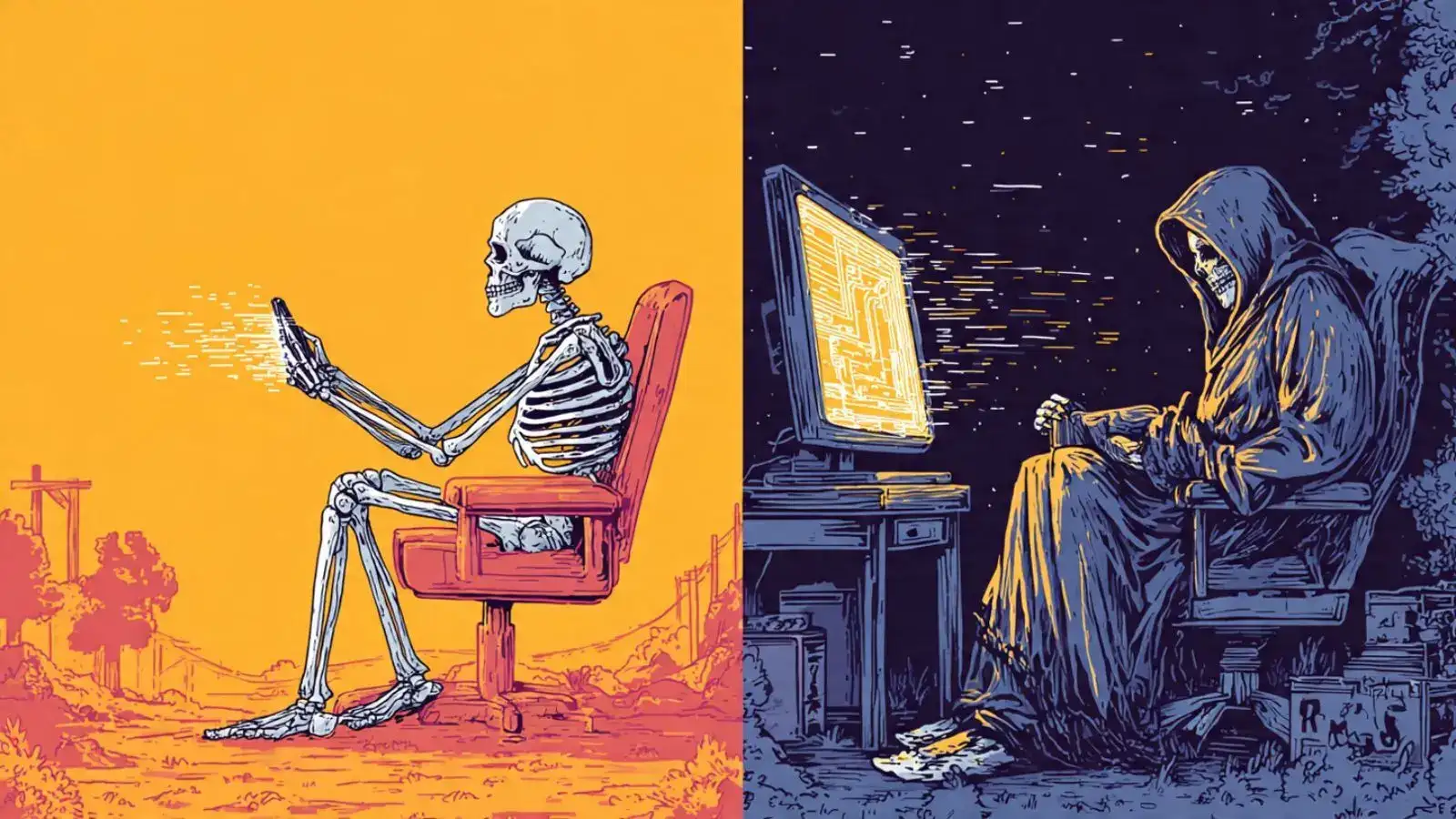
Doomscrolling refers to the habit of continuously consuming negative or distressing content online, often without realizing how long you’ve been doing it. It typically involves repeatedly reading upsetting news, alarming updates, or emotionally charged posts. This pattern can leave individuals feeling anxious, overwhelmed, and mentally exhausted.
On the other hand, decompression through screens is intentional and restorative. It includes activities like watching a light-hearted show, listening to music, or engaging with content that genuinely relaxes and uplifts you. The key difference lies in how you feel afterward, refreshed versus drained.
One of the clearest signs of doomscrolling is emotional impact. If your screen time leaves you feeling tense, uneasy, or unable to switch off mentally, it may be doing more harm than good. In contrast, healthy screen use tends to improve mood, helping you feel calmer and more balanced.
Another important factor is control. Doomscrolling often feels compulsive, you may intend to spend just a few minutes online but end up scrolling for hours. This lack of control is a major indicator that your screen habits may be unhealthy. Decompression, however, is usually deliberate, with clear boundaries and a sense of purpose.
Timing also plays a significant role. Doomscrolling frequently happens late at night, when the mind is already fatigued. Consuming distressing content at this time can interfere with sleep and keep the brain in a heightened state of alertness. In contrast, mindful screen use, especially earlier in the evening, can help you relax without disrupting rest.
Experts also suggest paying attention to your body’s signals. Increased heart rate, restlessness, or difficulty sleeping after screen use are signs that your content consumption may be overstimulating rather than calming.
Another distinguishing factor is content type. Doomscrolling is usually driven by negativity, news about crises, conflicts, or uncertainty. This constant exposure can amplify stress levels over time. In contrast, decompression content is often positive, engaging, or neutral, helping the brain shift out of stress mode.
Importantly, doomscrolling is not simply a lack of discipline. It is often linked to stress and the brain’s natural tendency to seek information during uncertain times. However, without boundaries, it can create a cycle of anxiety and mental fatigue.
To maintain a healthier balance, experts recommend being more intentional with screen time, setting limits, choosing uplifting content, and checking in with how you feel during and after use.
Ultimately, the goal isn’t to eliminate screen time, but to make it work for you. When used mindfully, screens can be a tool for relaxation and connection. But when they turn into a source of stress, it may be time to pause, reset, and choose differently.
Doomscrolling refers to the habit of continuously consuming negative or distressing content online, often without realizing how long you’ve been doing it. It typically involves repeatedly reading upsetting news, alarming updates, or emotionally charged posts. This pattern can leave individuals feeling anxious, overwhelmed, and mentally exhausted.
On the other hand, decompression through screens is intentional and restorative. It includes activities like watching a light-hearted show, listening to music, or engaging with content that genuinely relaxes and uplifts you. The key difference lies in how you feel afterward, refreshed versus drained.
One of the clearest signs of doomscrolling is emotional impact. If your screen time leaves you feeling tense, uneasy, or unable to switch off mentally, it may be doing more harm than good. In contrast, healthy screen use tends to improve mood, helping you feel calmer and more balanced.
Another important factor is control. Doomscrolling often feels compulsive, you may intend to spend just a few minutes online but end up scrolling for hours. This lack of control is a major indicator that your screen habits may be unhealthy. Decompression, however, is usually deliberate, with clear boundaries and a sense of purpose.
You may also like
- InvITs Explained: How They Generate Regular Income and Whether You Should Invest
- LPG Booking Scam: Bank Accounts Drained Immediately Upon Booking Gas Cylinders; Massive Fraud Underway, Alert Issued..
- Roman's 'very flattering' £36 denim culottes 'pair with pretty summer tops'
- Love Hormone Oxytocin Nasal Spray: Can you make your life romantic by taking a nasal spray of love hormone? Learn what the study revealed?
- Train Ticket Cancellation Rules 2026: No Refund If Cancelled Within 8 Hours—Check New Charges
Timing also plays a significant role. Doomscrolling frequently happens late at night, when the mind is already fatigued. Consuming distressing content at this time can interfere with sleep and keep the brain in a heightened state of alertness. In contrast, mindful screen use, especially earlier in the evening, can help you relax without disrupting rest.
Experts also suggest paying attention to your body’s signals. Increased heart rate, restlessness, or difficulty sleeping after screen use are signs that your content consumption may be overstimulating rather than calming.
Another distinguishing factor is content type. Doomscrolling is usually driven by negativity, news about crises, conflicts, or uncertainty. This constant exposure can amplify stress levels over time. In contrast, decompression content is often positive, engaging, or neutral, helping the brain shift out of stress mode.
Importantly, doomscrolling is not simply a lack of discipline. It is often linked to stress and the brain’s natural tendency to seek information during uncertain times. However, without boundaries, it can create a cycle of anxiety and mental fatigue.
To maintain a healthier balance, experts recommend being more intentional with screen time, setting limits, choosing uplifting content, and checking in with how you feel during and after use.
Ultimately, the goal isn’t to eliminate screen time, but to make it work for you. When used mindfully, screens can be a tool for relaxation and connection. But when they turn into a source of stress, it may be time to pause, reset, and choose differently.






More from our partners


Loving Newspoint? Download the app now
