
Aadhaar, PAN To DigiLocker: Key Digital Rules Every Indian Must Know In 2026

Aadhaar, PAN And DigiLocker; Top Digital Rules Every Citizen Should Know In 2026: India’s rapid shift towards a digital-first ecosystem has transformed how citizens access essential services. From banking to government schemes, identity verification now relies heavily on digital documents. As this system continues to expand, understanding the basic rules around Aadhaar, PAN and DigiLocker has become increasingly important. These guidelines are not just procedural requirements but crucial safeguards that help ensure smooth transactions, reduce fraud and protect personal data in an increasingly connected environment.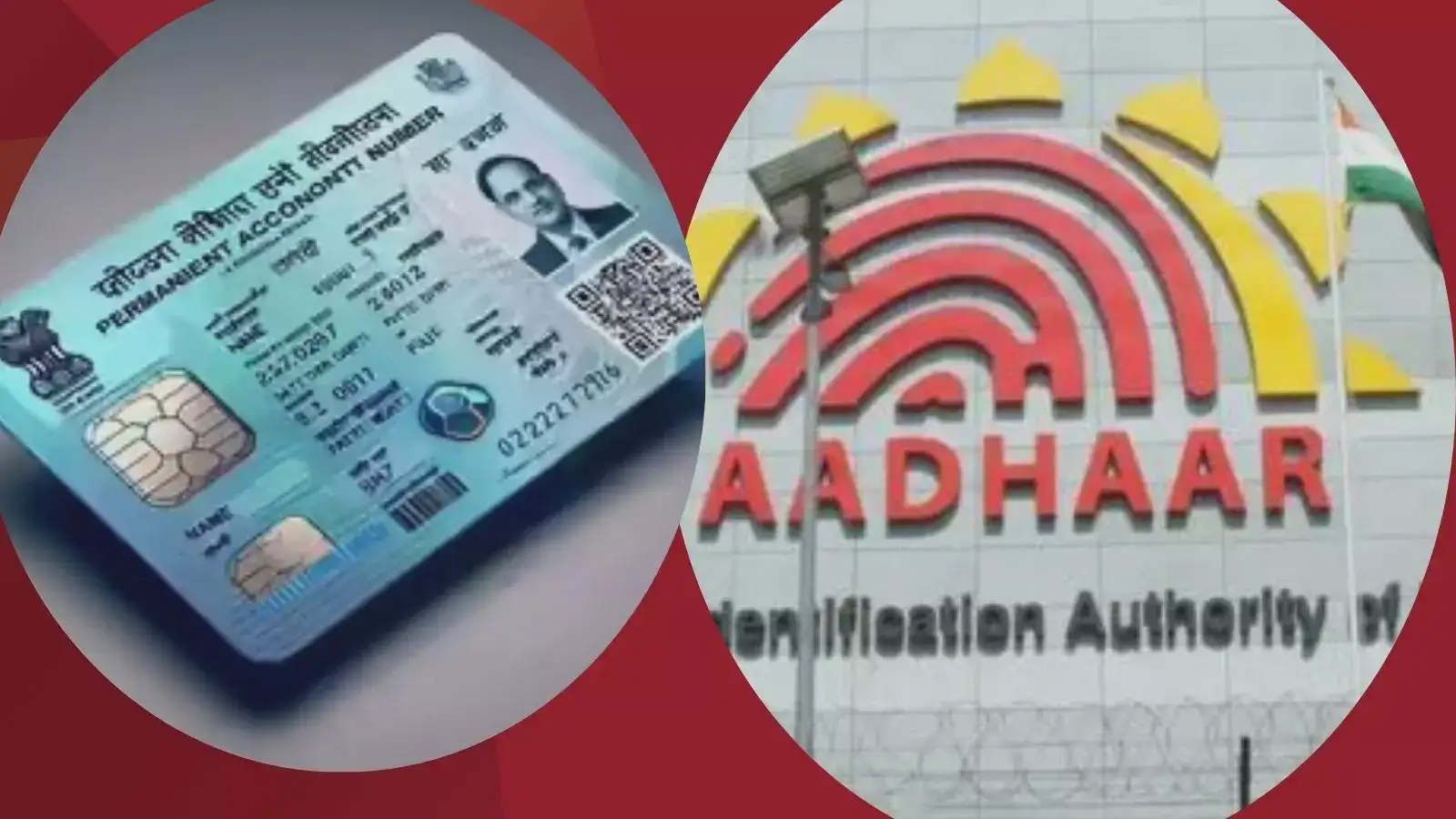
Systems like Aadhaar and Permanent Account Number play a vital role in ensuring transparency and accountability. As more services move online, these documents act as the backbone of identity authentication.
This growing dependence makes it important for individuals to stay informed and compliant with the latest requirements.
An inactive PAN can create complications when filing income tax returns or conducting high-value transactions. Linking these two identifiers helps authorities track financial activities more effectively and reduces the chances of tax evasion.
For individuals, completing this step ensures uninterrupted access to essential financial services.
What makes DigiLocker particularly useful is its growing acceptance across institutions. Many organisations now recognise digital documents stored on the platform as valid, reducing the need to carry physical copies.
This shift not only improves convenience but also supports India’s push towards paperless governance.
Outdated or incorrect information can lead to delays or failures in authentication processes. This can affect services such as mobile connections, banking operations or access to government benefits.
Regularly updating details helps avoid unnecessary complications and ensures that digital services function smoothly.
The process is quick and eliminates the need for physical signatures or paperwork. It is particularly useful for remote transactions, online agreements and official submissions.
As digital workflows become more common, eSign is likely to play an even bigger role in simplifying administrative processes.
Fraudsters often exploit digital platforms to gain unauthorised access to personal data. To stay safe, individuals should rely only on official websites and verified applications for any transactions.
Being vigilant and informed is the first step towards ensuring data security in a digital ecosystem.
As India continues to strengthen its digital framework, awareness of these rules becomes essential for every citizen. Understanding how to use and protect digital identity tools can help avoid disruptions and improve overall efficiency.
Adapting to these changes is no longer optional but a necessary step towards navigating modern systems with confidence.
Why Digital Identity Has Become Essential
In recent years, India’s digital infrastructure has grown significantly, making identity documents central to everyday activities. Whether opening a bank account, filing taxes or accessing welfare schemes, digital verification is now the norm.Systems like Aadhaar and Permanent Account Number play a vital role in ensuring transparency and accountability. As more services move online, these documents act as the backbone of identity authentication.
This growing dependence makes it important for individuals to stay informed and compliant with the latest requirements.
Linking Aadhaar And PAN Is No Longer Optional
One of the most important rules in 2026 is the mandatory linking of Aadhaar with PAN. Failing to complete this process can result in the PAN becoming inactive, which may disrupt financial activities.An inactive PAN can create complications when filing income tax returns or conducting high-value transactions. Linking these two identifiers helps authorities track financial activities more effectively and reduces the chances of tax evasion.
For individuals, completing this step ensures uninterrupted access to essential financial services.
DigiLocker Is Changing How Documents Are Used
DigiLocker has emerged as a powerful tool for storing and accessing official documents digitally. It allows users to keep important records such as identity proofs, driving licences and educational certificates in one secure place.What makes DigiLocker particularly useful is its growing acceptance across institutions. Many organisations now recognise digital documents stored on the platform as valid, reducing the need to carry physical copies.
This shift not only improves convenience but also supports India’s push towards paperless governance.
Keeping Aadhaar Information Updated Is Crucial
Accurate personal information is key to seamless digital verification. Individuals must ensure that their Aadhaar details, including address and mobile number, are up to date.Outdated or incorrect information can lead to delays or failures in authentication processes. This can affect services such as mobile connections, banking operations or access to government benefits.
Regularly updating details helps avoid unnecessary complications and ensures that digital services function smoothly.
Aadhaar Enabled eSign Simplifies Documentation
Another important feature linked to Aadhaar is the ability to sign documents digitally through eSign. This system allows users to authenticate documents using a mobile-linked Aadhaar number.The process is quick and eliminates the need for physical signatures or paperwork. It is particularly useful for remote transactions, online agreements and official submissions.
As digital workflows become more common, eSign is likely to play an even bigger role in simplifying administrative processes.
Staying Safe In A Digital Environment
With increasing digital adoption, protecting personal information has become more important than ever. Users must be cautious about sharing sensitive details such as OTPs, Aadhaar numbers or PAN information.Fraudsters often exploit digital platforms to gain unauthorised access to personal data. To stay safe, individuals should rely only on official websites and verified applications for any transactions.
Being vigilant and informed is the first step towards ensuring data security in a digital ecosystem.
Why These Rules Matter For Everyday Life
These digital guidelines are not just technical requirements but practical measures that affect daily life. From filing taxes to accessing services, compliance ensures a smooth and hassle-free experience.As India continues to strengthen its digital framework, awareness of these rules becomes essential for every citizen. Understanding how to use and protect digital identity tools can help avoid disruptions and improve overall efficiency.
Adapting to these changes is no longer optional but a necessary step towards navigating modern systems with confidence.
Next Story