
America Vs Iran War: India Eyes 10kg LPG Cylinders Amid Deepening Gas Crisis, What’s The Plan

The ongoing tensions between the United States and Iran are beginning to cast a wider shadow beyond geopolitics, with ripple effects now reaching everyday life in India. One of the most critical concerns emerging from the situation is the disruption in global oil transportation routes, particularly the Strait of Hormuz, a key passage for energy supplies.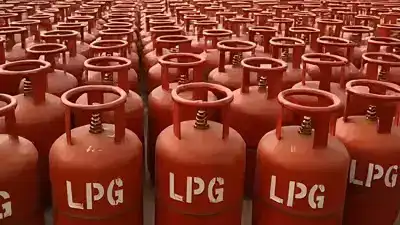
India, which relies heavily on imported oil and gas, is feeling the pressure. As shipping movements face uncertainty, supply chains are tightening. This has triggered growing anxiety among consumers, especially with reports suggesting a potential shortage of LPG cylinders across several regions.
To manage the situation, state-run oil companies are reportedly evaluating an unusual but practical measure. Instead of providing the full 14.2-kilogram LPG cylinder, there is a proposal to reduce the quantity to 10 kilograms. This approach is aimed at ensuring that available supplies can be distributed among a larger number of households.
While the move may help maintain wider access, it also signals the seriousness of the current supply challenge. For many families, especially those dependent on LPG for daily cooking, this change could require adjustments in usage and budgeting.
By providing smaller quantities, the government and oil companies hope to avoid a complete shortage scenario. This strategy allows more households to receive at least some level of supply, rather than leaving certain areas entirely without access.
If implemented, the new cylinders will carry updated labels indicating their revised weight and corresponding price. This will help maintain transparency and avoid confusion among consumers.
This means families may need to plan their consumption more carefully. Efficient usage, minimising wastage, and exploring alternative cooking methods could become important in the coming weeks if the situation persists.
Moreover, disruptions in oil supply routes such as the Strait of Hormuz highlight the vulnerability of global energy systems. For India, this situation underscores the importance of diversifying energy sources and strengthening domestic resilience.
As developments continue, consumers are advised to stay informed and prepared. While authorities are working to manage the crisis, the coming weeks will be crucial in determining how effectively the situation can be stabilised without causing significant disruption to daily life.
Image Courtesy: Meta AI
India, which relies heavily on imported oil and gas, is feeling the pressure. As shipping movements face uncertainty, supply chains are tightening. This has triggered growing anxiety among consumers, especially with reports suggesting a potential shortage of LPG cylinders across several regions.
LPG Supply Concerns Intensify
The impact of reduced imports is slowly becoming visible in the domestic market. Households are already experiencing delays and reduced availability of LPG cylinders, raising fears of a broader gas cylinder supply crisis .To manage the situation, state-run oil companies are reportedly evaluating an unusual but practical measure. Instead of providing the full 14.2-kilogram LPG cylinder, there is a proposal to reduce the quantity to 10 kilograms. This approach is aimed at ensuring that available supplies can be distributed among a larger number of households.
While the move may help maintain wider access, it also signals the seriousness of the current supply challenge. For many families, especially those dependent on LPG for daily cooking, this change could require adjustments in usage and budgeting.
Why The Reduction Plan Is Being Considered
The idea behind reducing the cylinder weight is rooted in resource management. With limited LPG availability, authorities are focusing on equitable distribution rather than full-capacity supply.By providing smaller quantities, the government and oil companies hope to avoid a complete shortage scenario. This strategy allows more households to receive at least some level of supply, rather than leaving certain areas entirely without access.
If implemented, the new cylinders will carry updated labels indicating their revised weight and corresponding price. This will help maintain transparency and avoid confusion among consumers.
How Long Will A Reduced Cylinder Last
Under normal circumstances, a standard LPG cylinder of 14.2 kilograms lasts around 35 to 40 days for an average household. With the proposed reduction to 10 kilograms, the usage period is expected to drop to roughly one month.This means families may need to plan their consumption more carefully. Efficient usage, minimising wastage, and exploring alternative cooking methods could become important in the coming weeks if the situation persists.
Wider Economic And Consumer Impact
The potential LPG shortage is not just a supply issue but also a concern for household economics. Reduced availability often leads to increased demand pressure, which can eventually influence pricing and accessibility.Moreover, disruptions in oil supply routes such as the Strait of Hormuz highlight the vulnerability of global energy systems. For India, this situation underscores the importance of diversifying energy sources and strengthening domestic resilience.
As developments continue, consumers are advised to stay informed and prepared. While authorities are working to manage the crisis, the coming weeks will be crucial in determining how effectively the situation can be stabilised without causing significant disruption to daily life.
Image Courtesy: Meta AI
Next Story