
An Old ₹50 Note At Home Could Mean Earning In Millions!

A forgotten banknote tucked inside an old cupboard or storage box may hold far more value than its printed denomination. Across India, interest in old banknotes and coins has surged sharply, with collectors willing to pay astonishing sums for rare pieces. What makes this trend even more fascinating is that no investment is required. Ownership alone can turn an ordinary-looking note into a potential money-spinner, provided it carries the right features and remains in decent condition.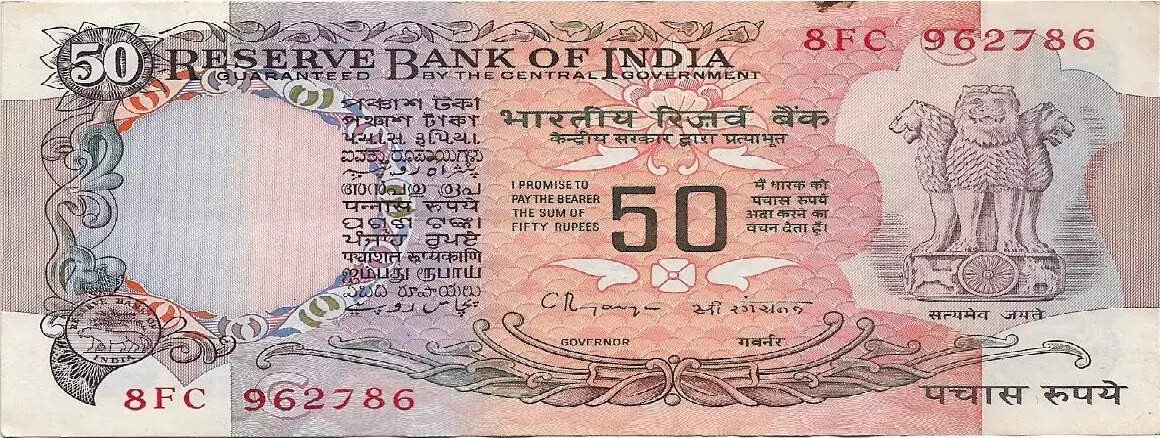
Demand rises further if the last three digits of commonly used denominations such as ₹5, ₹10, ₹20 or ₹100 read 786. Even without being extremely old, such notes can command prices many times higher than their face value, purely due to their serial number.
Collectors are particularly drawn to notes that are crisp, clean and free from tears, stains or excessive folds. The rarer the note, the higher the willingness among buyers to pay a premium price.
However, experts advise caution. Not every viral claim translates into real market value. Proper verification of authenticity, rarity and current demand is essential before assuming a note is worth a fortune.
While sellers enjoy flexibility in pricing, understanding prevailing market trends remains crucial. Notes priced unrealistically high often struggle to attract genuine buyers.
Using trusted platforms, communicating only through official channels and verifying buyer credentials can significantly reduce the chances of falling victim to scams. A cautious approach ensures that selling old banknotes remains a rewarding experience rather than a costly mistake.
Rising Craze for Unique Serial Numbers
One of the biggest drivers behind the soaring value of old Indian banknotes is the presence of unique or culturally significant serial numbers. Among these, the serial number 786 is especially sought after due to its religious and symbolic importance within a particular community. Notes carrying this number often attract intense interest from collectors.Demand rises further if the last three digits of commonly used denominations such as ₹5, ₹10, ₹20 or ₹100 read 786. Even without being extremely old, such notes can command prices many times higher than their face value, purely due to their serial number.
Why Old ₹50 Notes Are Attracting Attention
Old-design ₹50 banknotes have emerged as one of the most talked-about items in the collectors’ market. As newer designs replace older ones, the availability of these notes continues to shrink. If an old ₹50 note is well-preserved and features a rare serial number or a printing irregularity, its value can range from a few thousand rupees to staggering amounts running into lakhs or even crores.Collectors are particularly drawn to notes that are crisp, clean and free from tears, stains or excessive folds. The rarer the note, the higher the willingness among buyers to pay a premium price.
You may also like
- Madhya Pradesh reshuffles senior police officers
- 'Will my company keep me?': Employee 'bleeding' with broken leg in hospital fears job loss. Is this modern worklife reality?
- Survey provides robust analytical backdrop for Union Budget 2026-27: ASSOCHAM
- "True justice doesn't involve injustice to anyone": Akhilesh Yadav's welcomes SC's stay on new UGC regulations
- Economic Survey lays bare deep fault lines in Indian agriculture
Rare Notes and Their Online Buzz
Stories about exceptionally rare Indian banknotes frequently surface on social media and online forums. Some of these notes were printed for a very limited period, while others contain unusual errors such as mismatched serial numbers or misaligned prints. Such characteristics significantly increase their appeal among collectors.However, experts advise caution. Not every viral claim translates into real market value. Proper verification of authenticity, rarity and current demand is essential before assuming a note is worth a fortune.
Platforms Making Selling Easier Than Ever
Selling old banknotes has become far simpler thanks to dedicated online platforms. Sellers can register, upload high-quality images of their notes and set their own asking price. Interested buyers then approach directly, allowing negotiations to happen without intermediaries.While sellers enjoy flexibility in pricing, understanding prevailing market trends remains crucial. Notes priced unrealistically high often struggle to attract genuine buyers.
Staying Safe While Avoiding Fraud
With rising interest comes rising risk. Fraudulent calls and messages promising instant buyers or unusually high prices are increasingly common. Any request for advance payment, personal banking details or unofficial fees should raise immediate red flags.Using trusted platforms, communicating only through official channels and verifying buyer credentials can significantly reduce the chances of falling victim to scams. A cautious approach ensures that selling old banknotes remains a rewarding experience rather than a costly mistake.






More from our partners


Loving Newspoint? Download the app now
