
Badrinath Kedarnath Committee To Ban Non Hindus From Entering Shrines In 2026

A Major Shift In Temple Policy
The peaceful hills of Uttarakhand are currently the center of a significant discussion regarding religious traditions. As we look ahead to the Char Dham Yatra 2026 , the Badrinath Kedarnath Temple Committee has announced plans to implement a strict entry policy. The committee intends to formally prohibit non-Hindus from entering the Badrinath and Kedarnath dhams, as well as several other temples under its jurisdiction. This move is being framed as a necessary step to maintain the spiritual purity and age old customs of these Himalayan shrines. While the news has sparked a wide range of reactions, the committee remains focused on what it describes as a return to traditional values for Badrinath Kedarnath Committee managed sites.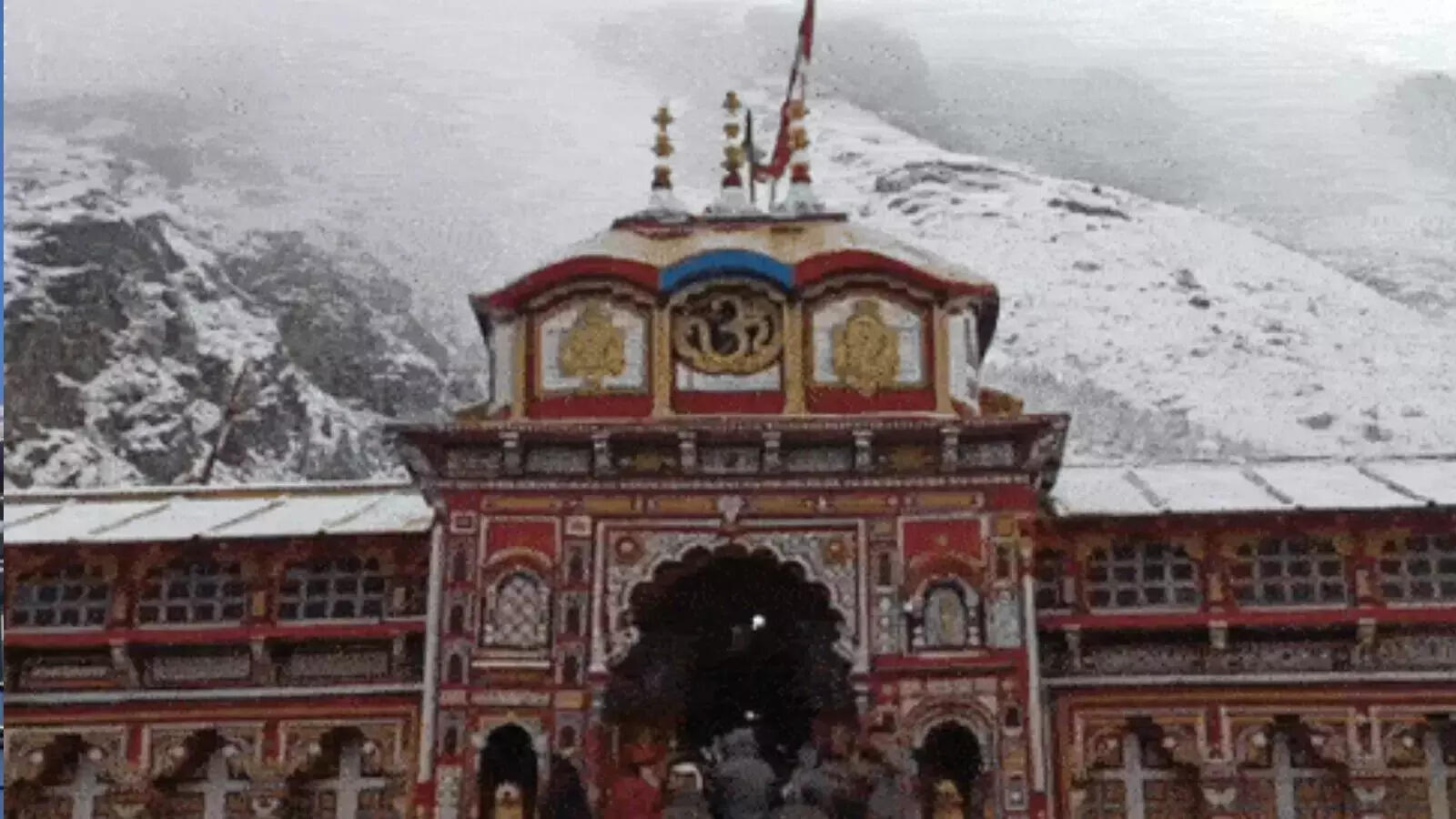
Preserving The Sanctity Of Devbhoomi
The decision to move forward with a ban on non-Hindus is rooted in the desire to protect the unique cultural heritage of the region known as Devbhoomi. According to officials, the Badrinath Kedarnath Committee believes that these shrines are exclusively for those who follow the Sanatan faith. There have been concerns raised by local bodies and religious leaders about ensuring that the religious sentiments of pilgrims are respected at all times. By proposing this restriction, the Badrinath Kedarnath Committee aims to ensure that the atmosphere within the temple premises remains entirely dedicated to traditional worship. This policy would apply to the main dhams and nearly 45 other smaller temples that fall under the administrative umbrella of the committee.Details Of The Upcoming Resolution
To make this policy official, a formal resolution is expected to be tabled during the next board meeting of the Badrinath Kedarnath Committee. The chairman of the committee has pointed out that while these restrictions were traditionally followed, they were allegedly overlooked during previous administrative tenures. By passing a clear board resolution, the Badrinath Kedarnath Committee seeks to create a permanent legal and administrative framework for these entry rules. This ensures that the opening of the portals for the 2026 season begins with these new guidelines firmly in place. Many see this as a way for the Badrinath Kedarnath Committee to provide clarity for both domestic and international visitors planning their pilgrimage.Opening Dates For The 2026 Season
As these policy discussions continue, the schedule for the upcoming pilgrimage season has also been clarified. The Badrinath temple is set to reopen its doors to devotees on April 23, 2026, after the usual six month winter closure. The exact opening date for the Kedarnath shrine will be shared with the public on the auspicious occasion of Maha Shivratri. The Badrinath Kedarnath Committee is working hard to ensure that all facilities are ready for the influx of pilgrims. Other major shrines in the circuit, such as Gangotri and Yamunotri, are scheduled to open on April 19, coinciding with Akshaya Tritiya. The Badrinath Kedarnath Committee is coordinating with state authorities to manage the logistics of these events while the new entry proposals are being finalized.Reactions And Local Support
The proposal has received strong backing from various local priest organizations and temple bodies who believe the Badrinath Kedarnath Committee is doing the right thing for the community. Supporters argue that such measures are common in other major Hindu temples across India and help in managing the crowd and security effectively. However, the move has also faced criticism from opposition leaders who view the Badrinath Kedarnath Committee’s decision as a distraction from other pressing infrastructure issues in the state. Despite the political debate, the Badrinath Kedarnath Committee stands by its statement that the primary goal is the protection of Hindu traditions . As the board meeting approaches, all eyes are on how the Badrinath Kedarnath Committee will implement these changes for the 2026 yatra."Preserving the religious and cultural traditions of Devbhoomi Uttarakhand was of paramount importance." — Hemant Dwivedi, Chairman of BKTC.
Next Story