
Banglar Yuva Sathi: ₹1,500 Monthly Aid For Unemployed Youth, How To Apply

Banglar Yuva Sathi: Big Relief For Unemployed, Get ₹1,500 Every Month, How To Apply: Rising unemployment concerns have prompted governments across India to roll out targeted welfare interventions aimed at supporting young job seekers. In a significant move, the state administration of West Bengal has introduced a dedicated financial assistance initiative designed to ease the burden on unemployed youth. The programme seeks to provide monthly monetary support, helping beneficiaries sustain themselves while they continue searching for stable employment opportunities in an increasingly competitive job market.
Authorities have acknowledged that many young individuals, despite completing their education, struggle to secure suitable jobs. Limited financial backing often compels them to accept work far below their qualifications. The scheme aims to bridge this gap by offering temporary economic stability during the employment search phase.
The benefit amount will be transferred directly into beneficiaries’ bank accounts, ensuring transparency and minimising administrative delays.
Application submissions opened on 15 February and will remain active until 26 February. During this window, eligible candidates must complete the registration process to secure inclusion in the beneficiary list.
Interestingly, the initiative was initially expected to be introduced later in the year, but the state advanced the rollout timeline to expedite support delivery.
Candidates can download the application form from the scheme’s official digital portal before submitting it physically at designated centres. Required documents must be attached to validate eligibility credentials, including educational qualification and residency proof.
This hybrid application model combining online access with offline submission aims to ensure accessibility for applicants from both urban and rural regions.
Residency is another mandatory condition, with benefits restricted to permanent residents of West Bengal. Notably, individuals already receiving support from other government schemes or scholarships remain eligible, allowing wider inclusion rather than exclusion.
By reducing financial stress, the government hopes to discourage underemployment and enable better workforce participation over the long term.
As unemployment continues to remain a pressing socio economic challenge, targeted assistance models such as this are expected to play a crucial role in supporting young citizens during transitional career phases.
Monthly Assistance To Strengthen Financial Stability
Under this newly introduced initiative, eligible unemployed youth will receive a fixed monthly allowance of ₹1,500. The financial aid is intended to cover essential day to day expenses, ensuring that candidates are not forced into low paying or informal work due to immediate monetary pressure.Authorities have acknowledged that many young individuals, despite completing their education, struggle to secure suitable jobs. Limited financial backing often compels them to accept work far below their qualifications. The scheme aims to bridge this gap by offering temporary economic stability during the employment search phase.
The benefit amount will be transferred directly into beneficiaries’ bank accounts, ensuring transparency and minimising administrative delays.
Implementation Timeline And Application Window
The scheme is scheduled for formal rollout from 1 April, 2026, when the first round of financial disbursements will begin. However, the groundwork for enrolment has already commenced.Application submissions opened on 15 February and will remain active until 26 February. During this window, eligible candidates must complete the registration process to secure inclusion in the beneficiary list.
Interestingly, the initiative was initially expected to be introduced later in the year, but the state advanced the rollout timeline to expedite support delivery.
Application Process And Registration Camps
To facilitate smooth enrolment, authorities have established 294 dedicated application camps across various districts. These camps are designed to assist applicants with documentation, verification and form submission.Candidates can download the application form from the scheme’s official digital portal before submitting it physically at designated centres. Required documents must be attached to validate eligibility credentials, including educational qualification and residency proof.
You may also like
 India AI summit: World leaders call for responsible innovation and guardrails
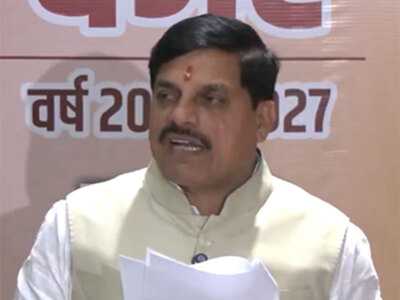 Madhya Pradesh CM Mohan Yadav highlights development, schemes, and infrastructure plans while speaking on State Budget 2026-27
- "Make in India is a very important factor; we are carefully looking at it": Supermicro MD on local manufacturing and AI expansion
- India, UK join hands to launch Offshore Wind Taskforce
- Gujarat's voter base shrinks by 13.4% after massive roll revision; 77 lakh names deleted
This hybrid application model combining online access with offline submission aims to ensure accessibility for applicants from both urban and rural regions.
Eligibility Criteria For Applicants
The scheme outlines specific eligibility conditions to ensure targeted outreach. Applicants must fall within the 21 to 40 age bracket. Additionally, they should have completed at least their Class 10 education.Residency is another mandatory condition, with benefits restricted to permanent residents of West Bengal. Notably, individuals already receiving support from other government schemes or scholarships remain eligible, allowing wider inclusion rather than exclusion.
Objective Behind The Initiative
The broader aim of the programme extends beyond immediate financial assistance. Policymakers intend to empower youth by giving them the breathing space needed to pursue skill development, competitive examinations or job placements aligned with their career aspirations.By reducing financial stress, the government hopes to discourage underemployment and enable better workforce participation over the long term.
As unemployment continues to remain a pressing socio economic challenge, targeted assistance models such as this are expected to play a crucial role in supporting young citizens during transitional career phases.






More from our partners


Loving Newspoint? Download the app now
