
Beyond the Parade: Hidden Facts About India’s Republic Day

Republic Day is often reduced to visuals of tanks, tableaux, and patriotic songs. Yet, 26 January stands on layers of history, intent, and democratic resolve. These lesser-known facts reveal why the day is not just ceremonial, but deeply symbolic of India’s identity as a republic.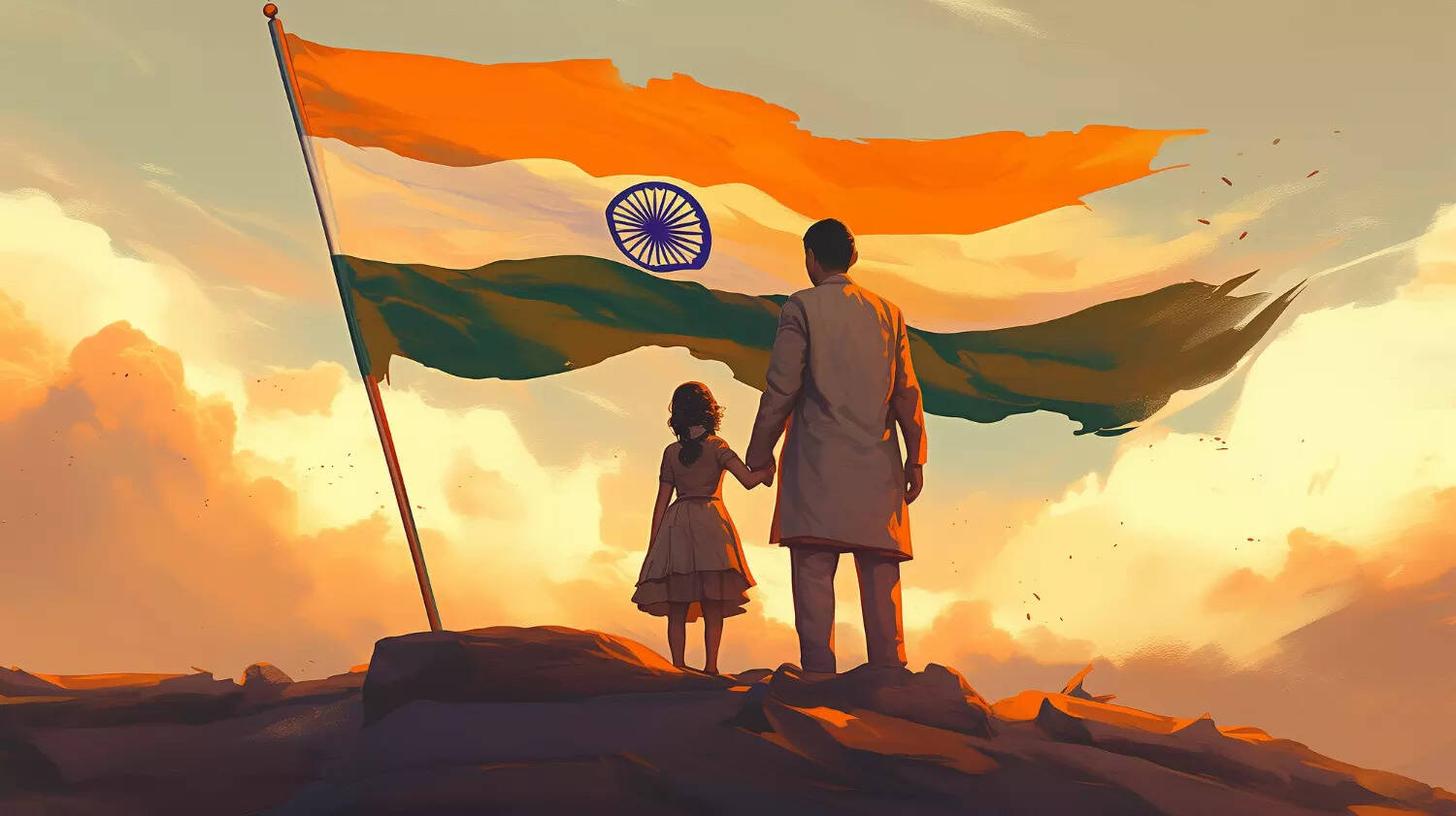
At its heart, Republic Day celebrates India’s conscious choice to be governed by law, equality, and democratic values—a choice made in 1950, and renewed every year on 26 January.
A Date Rooted in an Old Promise
26 January was not chosen at random. It marks the 1930 declaration of Purna Swaraj , when Indians pledged complete independence. For years, this day was celebrated as Independence Day, making it a natural bridge between freedom and constitutional rule.Freedom Came First, Republic Came Later
India gained independence on 15 August 1947, but remained a dominion under the British Crown. The Governor-General represented the monarch until 1950. True self-rule began only when India became a republic on 26 January.The World’s Longest Constitution
India’s Constitution is the longest written one globally, with hundreds of articles, schedules, and amendments. What makes it special is not just its length, but its handwritten originals, signed by 308 members and preserved as national treasures.A Song That Stirred Emotions
For decades, Abide With Me concluded the Beating Retreat ceremony. Its replacement in 2022 with 'Ae Mere Watan Ke Logon' sparked debate, reflecting India’s ongoing conversation about tradition, history, and cultural identity.A Global Signal on Day One
Indonesia’s President Sukarno was the chief guest at India’s first Republic Day. The choice underlined India’s early commitment to Asian unity and solidarity among newly independent nations.From Colonial Boulevard to People’s Path
The Republic Day parade found its permanent home at Rajpath in 1955. Renamed Kartavya Path in 2022, the avenue’s transformation mirrors India’s shift from colonial symbolism to citizen-centric values.An Unexpected Diplomatic Moment
In 1955, Pakistan’s first Governor-General, Malik Ghulam Mohammed, attended the parade as chief guest. The moment captured a brief phase of diplomatic outreach in the early years after Partition.The Anthem Before the Republic
Jana Gana Mana was officially adopted as the National Anthem on 24 January 1950. Its early adoption signalled unity even before the Constitution came into force.A Historic Oath
Dr. Rajendra Prasad took oath as India’s first President at exactly 10:24 am on 26 January 1950. A 31-gun salute marked India’s formal arrival as a sovereign republic.Global Ideas, Indian Soul
Concepts like Liberty, Equality, and Fraternity were inspired by global movements such as the French Revolution. Yet, they were carefully adapted to suit India’s diverse social and cultural realities.Honouring Merit and Sacrifice
Civilian and gallantry awards, including the Bharat Ratna and Padma Awards, are announced on Republic Day eve, reinforcing the republic’s respect for service, courage, and excellence.At its heart, Republic Day celebrates India’s conscious choice to be governed by law, equality, and democratic values—a choice made in 1950, and renewed every year on 26 January.
Next Story