
BMC Election 2026: Mumbai at the Crossroads of Hindutva and Marathi Pride

Mumbai’s political mood ahead of the Brihanmumbai Municipal Corporation (BMC) election is loud, polarised and deeply emotional. At its core lies a high-stakes clash between Hindutva and Marathi Asmita (pride). The fight has narrowed down to two main poles: the BJP-led Mahayuti on one side and the reunited Shiv Sena (UBT), Maharashtra Navnirman Sena (MNS) alliance on the other. Many once-relevant players now stand on the margins of this intense urban contest.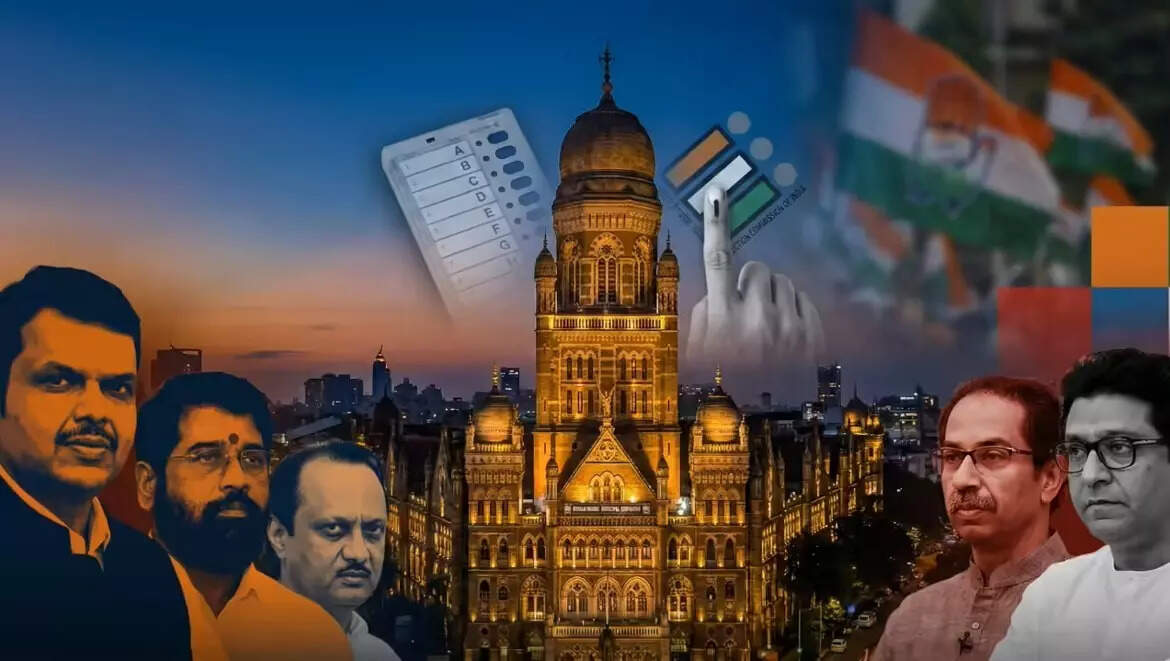
The BJP, however, is no lightweight challenger. Armed with promises of infrastructure-led growth, neo-liberal development and a broader Hindutva-nationalist appeal, it believes it can disrupt the Sena’s traditional hold.
This perception hurt the BJP during the 2024 Assembly elections, where it lost ground in key Mumbai clusters, while Shiv Sena (UBT) held on to its dominance by winning most seats.
Dalit outreach is central to this plan. With Dalit voters influencing nearly 60 municipal wards, the BJP has spotlighted Ramdas Athawale and fast-tracked the International Ambedkar Memorial at Indu Mills. The goal: project a strong pro-social justice image.
The opposition, however, counters this by branding the BJP as a party of elite-caste interests, trying to steer Dalit voters back towards the Thackeray-led front.
Despite the 2022 party split and political upheaval, the Sena’s Marathi base largely stayed intact. The recent reunion of Uddhav and Raj Thackeray has further revived the “Thackeray brand,” reinforcing trust among grassroots workers and voters alike.
In contrast, the BJP’s Hindutva appears more institutional and top-down. While disciplined and organised, it often lacks the immediacy and emotional punch that Sena-style street politics delivers.
BJP units and RSS shakhas, by comparison, are more structured and ideological, focused on mobilisation rather than emotional bonding.
With the Thackeray brothers reunited, Marathi Asmita has returned as the central political language of the city. Unless the BJP can shed its “outsider” tag and craft a locally rooted Marathi identity, the unified Shiv Sena (UBT), MNS front stands as its toughest challenge in the 2026 BMC election.
In Mumbai, it seems, emotion may once again trump organisation.
A Fight Rooted in Identity
Historically, the Shiv Sena (UBT) enjoys an edge in Mumbai. For decades, it shaped the city’s cultural and political identity, giving voice and power to Marathi-speaking citizens. That legacy still carries weight on the streets.The BJP, however, is no lightweight challenger. Armed with promises of infrastructure-led growth, neo-liberal development and a broader Hindutva-nationalist appeal, it believes it can disrupt the Sena’s traditional hold.
BJP’s Urban Push - And Its Limits
Over the last ten years, the BJP has built a strong organisational base in Mumbai and successfully tapped into the upwardly mobile Marathi middle class. Yet, among many locals, it continues to be viewed as a party representing “outsiders”, particularly North Indian migrants and Gujarati business interests.This perception hurt the BJP during the 2024 Assembly elections, where it lost ground in key Mumbai clusters, while Shiv Sena (UBT) held on to its dominance by winning most seats.
The Social Engineering Gamble
To break this barrier, the BJP is attempting a bold social coalition, bringing together Marathi middle classes, North Indian migrants, Dalits and Gujarati elites. This multi-layered alliance is meant to counter the hyper-Marathi narrative of the Thackeray cousins.Dalit outreach is central to this plan. With Dalit voters influencing nearly 60 municipal wards, the BJP has spotlighted Ramdas Athawale and fast-tracked the International Ambedkar Memorial at Indu Mills. The goal: project a strong pro-social justice image.
The opposition, however, counters this by branding the BJP as a party of elite-caste interests, trying to steer Dalit voters back towards the Thackeray-led front.
The Power of the Thackeray Legacy
For many Marathi voters, politics is not just about policy, it’s about memory and emotion. The Shiv Sena’s bond with Mumbai was forged under Balasaheb Thackeray, whose image and slogans still evoke pride and loyalty.Despite the 2022 party split and political upheaval, the Sena’s Marathi base largely stayed intact. The recent reunion of Uddhav and Raj Thackeray has further revived the “Thackeray brand,” reinforcing trust among grassroots workers and voters alike.
Street Politics vs Institutional Politics
Another key difference lies in style. The Sena and MNS practise a more militant, street-level Hindutva, raw, aggressive and highly visible. Flash protests, fiery rhetoric and direct action resonate strongly with urban Hindu youth.In contrast, the BJP’s Hindutva appears more institutional and top-down. While disciplined and organised, it often lacks the immediacy and emotional punch that Sena-style street politics delivers.
Grassroots Connect: Sena’s Biggest Strength
Perhaps the Sena’s strongest advantage is its deep social network in lower-middle-class areas and slums. Sena shakhas function as everyday problem-solvers, handling local disputes, legal issues and social needs. This constant engagement creates loyalty that feels personal, not transactional.BJP units and RSS shakhas, by comparison, are more structured and ideological, focused on mobilisation rather than emotional bonding.
What Lies Ahead for Mumbai
The BJP remains a dominant force in Maharashtra, backed by Prime Minister Narendra Modi’s popularity and a vision of Mumbai as a global city powered by metro lines and the Coastal Road. Yet development rhetoric alone may not bridge its emotional gap with the Marathi core.With the Thackeray brothers reunited, Marathi Asmita has returned as the central political language of the city. Unless the BJP can shed its “outsider” tag and craft a locally rooted Marathi identity, the unified Shiv Sena (UBT), MNS front stands as its toughest challenge in the 2026 BMC election.
In Mumbai, it seems, emotion may once again trump organisation.
Next Story