
Cabinet Clears Amendment Bill to Implement 33% Quota for Women

The Union Cabinet, on April 8, 2026 approved a draft amendment bill to facilitate the implementation of the Women’s Reservation Act by the 2029 Lok Sabha elections. The decision was taken at a Cabinet meeting chaired by Prime Minister Narendra Modi. The amendment seeks to revise the framework of the Nari Shakti Vandan Adhiniyam , formally known as the Constitution (106th Amendment) Act, passed in 2023.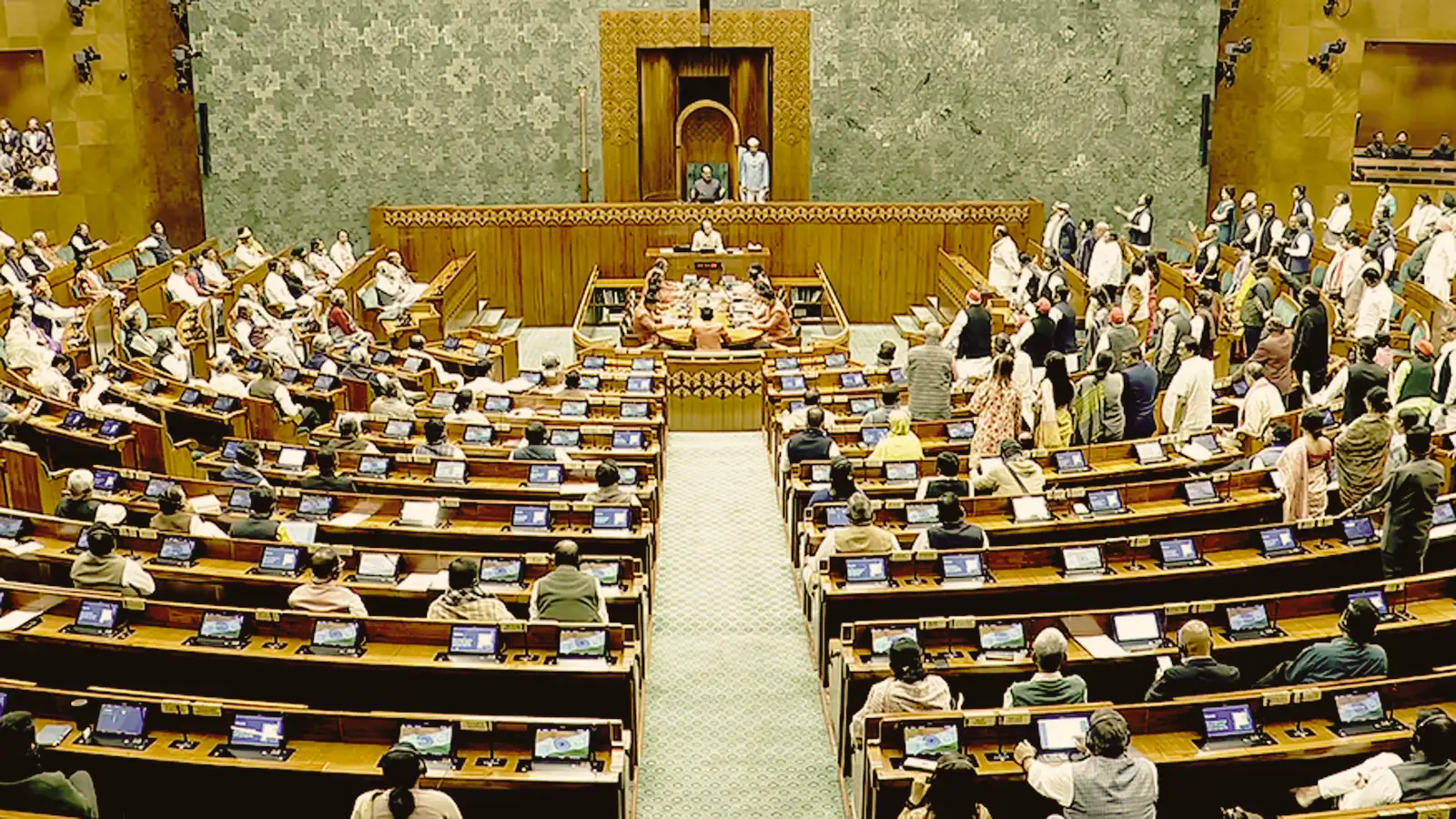
The approved amendment focuses on enabling the early rollout of women’s reservation by removing the procedural delays linked to delimitation. The proposal is going to utilise the 2011 Census data instead of waiting for future census figures, a move that is criticized by many as the data is extremely old and needs to be updated. However, this approach is also expected to accelerate the reservation process, ensuring that women gain representation in legislative bodies sooner than expected.
The Cabinet has also cleared a Delimitation Bill. The proposal reportedly includes increasing the numbers of Lok Sabha seats from 543 to 816 seats, with approximately 273 seats reserved for women, which is about one third of the proposed seats. The expansion aims to accommodate the growing population while ensuring equitable political representation .
The decision came after growing calls for greater gender representation in governance. The government has made it clear that the interests of southern states will remain protected during the delimitation process . The Bill is also expected to provide for the rotation of reserved constituencies, allowing different seats to be reserved in successive elections. This mechanism aims to ensure broader participation and avoid the concentration of reserved seats.
The measure will significantly increase the participation of women in legislative decision making.This greater representation also helps to contribute to a more inclusive and representative democratic system. It also aligns with the Indian constitution’s commitment to gender justice and women empowerment . This increased women representation may influence policy priorities particularly in areas like health, education and social welfare.

There are also several challenges and concerns associated with this amendment. For instance, there may be a delay in implementation due to its dependency on Census and delimitation process. There are also growing concerns that the rotation of seats could affect political continuity and disrupt the progress of new amendments and bills. Additionally, debates continue over sub-quotas for women from marginalized communities, along with potential political resistance and logistical complexities.
The government’s way ahead for this amendment would be to expedite the census and delimitation process, ensure transparent and fair implementation mechanisms, promote inclusive representation within the quota framework, and strengthen capacity-building initiatives for women leaders. These measures will make this amendment bill more effective and significantly boost women’s empowerment.
Key Features
The approved amendment focuses on enabling the early rollout of women’s reservation by removing the procedural delays linked to delimitation. The proposal is going to utilise the 2011 Census data instead of waiting for future census figures, a move that is criticized by many as the data is extremely old and needs to be updated. However, this approach is also expected to accelerate the reservation process, ensuring that women gain representation in legislative bodies sooner than expected.
The Cabinet has also cleared a Delimitation Bill. The proposal reportedly includes increasing the numbers of Lok Sabha seats from 543 to 816 seats, with approximately 273 seats reserved for women, which is about one third of the proposed seats. The expansion aims to accommodate the growing population while ensuring equitable political representation .
You may also like
- DRI seizes 38cr gold from 24 women at Mumbai airport
- President Droupadi Murmu nominates Harivansh Narayan Singh to Rajya Sabha
- Himachal HC orders release of pension to former MLAs, sets one-month deadline with 6% interest clause
- Kidangipaar villagers injure 32 officers during liquor protest in Gondia
- "Owaisi and others adopt such tactics to help BJP": Sanjay Raut after AIMIM exits alliance ahead of Bengal polls
The decision came after growing calls for greater gender representation in governance. The government has made it clear that the interests of southern states will remain protected during the delimitation process . The Bill is also expected to provide for the rotation of reserved constituencies, allowing different seats to be reserved in successive elections. This mechanism aims to ensure broader participation and avoid the concentration of reserved seats.
Significance of the move
The measure will significantly increase the participation of women in legislative decision making.This greater representation also helps to contribute to a more inclusive and representative democratic system. It also aligns with the Indian constitution’s commitment to gender justice and women empowerment . This increased women representation may influence policy priorities particularly in areas like health, education and social welfare.
Challenges and concerns
There are also several challenges and concerns associated with this amendment. For instance, there may be a delay in implementation due to its dependency on Census and delimitation process. There are also growing concerns that the rotation of seats could affect political continuity and disrupt the progress of new amendments and bills. Additionally, debates continue over sub-quotas for women from marginalized communities, along with potential political resistance and logistical complexities.
Way ahead
The government’s way ahead for this amendment would be to expedite the census and delimitation process, ensure transparent and fair implementation mechanisms, promote inclusive representation within the quota framework, and strengthen capacity-building initiatives for women leaders. These measures will make this amendment bill more effective and significantly boost women’s empowerment.






More from our partners


Loving Newspoint? Download the app now
