
Assembly Polls 2026: Can BJP Secure a Stronghold in Major States?

As the summer sun blazes across India, the political climate is heating up just as intensely. Five regions, Assam, Kerala (Keralam), Tamil Nadu, West Bengal, and the Union Territory of Puducherry, are heading into crucial assembly elections over the next three weeks, setting the stage for a high-voltage political showdown.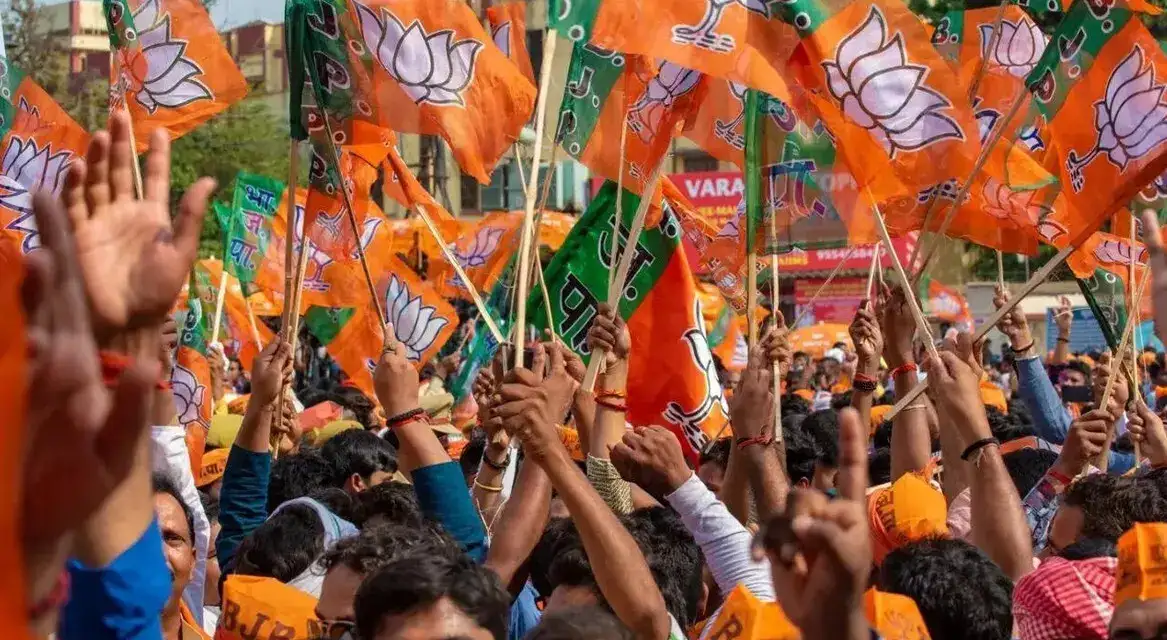
A Staggered Voting Timeline
The election calendar is spread out: Assam, Keralam, and Puducherry vote first on April 9. Tamil Nadu goes to the polls on April 23, while West Bengal votes in two phases, April 23 and April 29. The results, expected on May 4, could reshape not just state politics but also national equations.
BJP vs Regional Strongholds
The Bharatiya Janata Party (BJP), led nationally by Narendra Modi, is in power in Assam and Puducherry through its alliance, the National Democratic Alliance. However, it faces an uphill battle in West Bengal, Tamil Nadu, and Keralam, states where regional identity, language pride, and local leadership dominate voter sentiment.
Despite aggressive campaigning, the BJP has historically struggled to gain a foothold in these regions, often seen as strongholds of regional parties rooted in local culture and politics.
Bengal: The Fiercest Contest
All eyes are on West Bengal, where Mamata Banerjee and her Trinamool Congress (TMC) face a determined challenge from the BJP. After sweeping the 2021 elections, Banerjee is aiming for a fourth consecutive term.
The BJP, however, is going all in. With Amit Shah closely overseeing the campaign, the party is treating this election as a referendum on Banerjee’s leadership. A key contest to watch is in Bhabanipur, where BJP leader Suvendu Adhikari is pitted against Banerjee, a rematch of their intense rivalry.
Controversy has also gripped the state over the Special Intensive Revision (SIR) of electoral rolls conducted by the Election Commission of India, with allegations of large-scale voter deletions fueling political tensions.
Southern Strongholds Hold Firm
In the south, regional giants remain dominant. Tamil Nadu Chief Minister M. K. Stalin leads the Dravida Munnetra Kazhagam (DMK), seeking a second term after a strong 2021 win. His governance, welfare schemes, and emphasis on secular values continue to resonate with voters.
However, new dynamics are emerging. Actor-turned-politician Vijay has entered the fray with his party, potentially reshaping the electoral landscape. Meanwhile, the BJP is contesting in alliance with the All India Anna Dravida Munnetra Kazhagam (AIADMK), though it has yet to win a seat in the state.
In Keralam, the contest is traditionally between the Left and the Congress-led alliance. Chief Minister Pinarayi Vijayan, representing the Communist Party of India Marxist (CPI-M)-led Left Democratic Front, is aiming for a rare third consecutive term. This time, the campaign is less about ideology and more about leadership and performance.
The Congress, backed by leaders like Rahul Gandhi, is pushing hard to regain ground, though internal divisions could pose a challenge.
Assam: BJP’s Northeast Bastion
In Assam, the BJP’s campaign revolves around Chief Minister Himanta Biswa Sarma, a key strategist in the Northeast. Seeking re-election, Sarma has combined welfare outreach, especially targeting women, with a sharp, polarizing narrative on identity and immigration.
The Congress has fielded Gaurav Gogoi as its chief ministerial face, stepping up attacks on Sarma in a last-minute bid to shift momentum.
Puducherry: A Smaller but Crucial Battle
In Puducherry, Chief Minister N. Rangasamy is aiming to retain power as part of the NDA alliance. While smaller in scale, the contest here still contributes to the broader national narrative.
Beyond States: National Implications
Though these are state elections, their impact stretches far beyond regional borders. For the BJP, success in opposition-ruled states would signal expanding influence. For leaders like Banerjee and Stalin, strong performances could elevate their national stature.
As voters head to the polls, the results will not just decide state governments, they will also offer a glimpse into India’s evolving political landscape, where regional pride, leadership battles, and national ambitions intersect.
A Staggered Voting Timeline
The election calendar is spread out: Assam, Keralam, and Puducherry vote first on April 9. Tamil Nadu goes to the polls on April 23, while West Bengal votes in two phases, April 23 and April 29. The results, expected on May 4, could reshape not just state politics but also national equations. BJP vs Regional Strongholds
The Bharatiya Janata Party (BJP), led nationally by Narendra Modi, is in power in Assam and Puducherry through its alliance, the National Democratic Alliance. However, it faces an uphill battle in West Bengal, Tamil Nadu, and Keralam, states where regional identity, language pride, and local leadership dominate voter sentiment.Despite aggressive campaigning, the BJP has historically struggled to gain a foothold in these regions, often seen as strongholds of regional parties rooted in local culture and politics.
Bengal: The Fiercest Contest
All eyes are on West Bengal, where Mamata Banerjee and her Trinamool Congress (TMC) face a determined challenge from the BJP. After sweeping the 2021 elections, Banerjee is aiming for a fourth consecutive term.The BJP, however, is going all in. With Amit Shah closely overseeing the campaign, the party is treating this election as a referendum on Banerjee’s leadership. A key contest to watch is in Bhabanipur, where BJP leader Suvendu Adhikari is pitted against Banerjee, a rematch of their intense rivalry.
Controversy has also gripped the state over the Special Intensive Revision (SIR) of electoral rolls conducted by the Election Commission of India, with allegations of large-scale voter deletions fueling political tensions.
Southern Strongholds Hold Firm
In the south, regional giants remain dominant. Tamil Nadu Chief Minister M. K. Stalin leads the Dravida Munnetra Kazhagam (DMK), seeking a second term after a strong 2021 win. His governance, welfare schemes, and emphasis on secular values continue to resonate with voters. However, new dynamics are emerging. Actor-turned-politician Vijay has entered the fray with his party, potentially reshaping the electoral landscape. Meanwhile, the BJP is contesting in alliance with the All India Anna Dravida Munnetra Kazhagam (AIADMK), though it has yet to win a seat in the state.
You may also like
- "Wave of change in Bengal": BJP candidate Dilip Ghosh campaigns in Kharagpur Sadar
- Real work begins after liftoff: Isro chief puts mission ops at centre of space ambitions
- Students still on phones in school, focus taking a hit
- Cap duty hours, ensure rest for resident doctors: Parliamentary panel
- "Fear, violence-free elections": ECI issues "straight-talk" to TMC in West Bengal
In Keralam, the contest is traditionally between the Left and the Congress-led alliance. Chief Minister Pinarayi Vijayan, representing the Communist Party of India Marxist (CPI-M)-led Left Democratic Front, is aiming for a rare third consecutive term. This time, the campaign is less about ideology and more about leadership and performance.
The Congress, backed by leaders like Rahul Gandhi, is pushing hard to regain ground, though internal divisions could pose a challenge.
Assam: BJP’s Northeast Bastion
In Assam, the BJP’s campaign revolves around Chief Minister Himanta Biswa Sarma, a key strategist in the Northeast. Seeking re-election, Sarma has combined welfare outreach, especially targeting women, with a sharp, polarizing narrative on identity and immigration. The Congress has fielded Gaurav Gogoi as its chief ministerial face, stepping up attacks on Sarma in a last-minute bid to shift momentum.
Puducherry: A Smaller but Crucial Battle
In Puducherry, Chief Minister N. Rangasamy is aiming to retain power as part of the NDA alliance. While smaller in scale, the contest here still contributes to the broader national narrative.Beyond States: National Implications
Though these are state elections, their impact stretches far beyond regional borders. For the BJP, success in opposition-ruled states would signal expanding influence. For leaders like Banerjee and Stalin, strong performances could elevate their national stature. As voters head to the polls, the results will not just decide state governments, they will also offer a glimpse into India’s evolving political landscape, where regional pride, leadership battles, and national ambitions intersect.






More from our partners


Loving Newspoint? Download the app now
