
MoCA Puts 60% Free Seat Rule on Hold - What It Means for Passengers and Airlines

The Indian aviation sector has been hit by a regulation rather suddenly as the Ministry of Civil Aviation(MoCA) announced a stay on its controversial mandate requiring airlines to offer at least 60% of their seats for free selection, something which was loved by the majority of the public. Originally, it was to take effect on April 20, 2026, the directive has been placed in “abeyance” following backlash by major airlines.
This reversal marks a significant moment in the long lasting feud between passenger rights and the commercial freedom of the low cost carriers (LCCs). Here is the detailed breakdown of the development, the industry’s response and what it means for the travelers.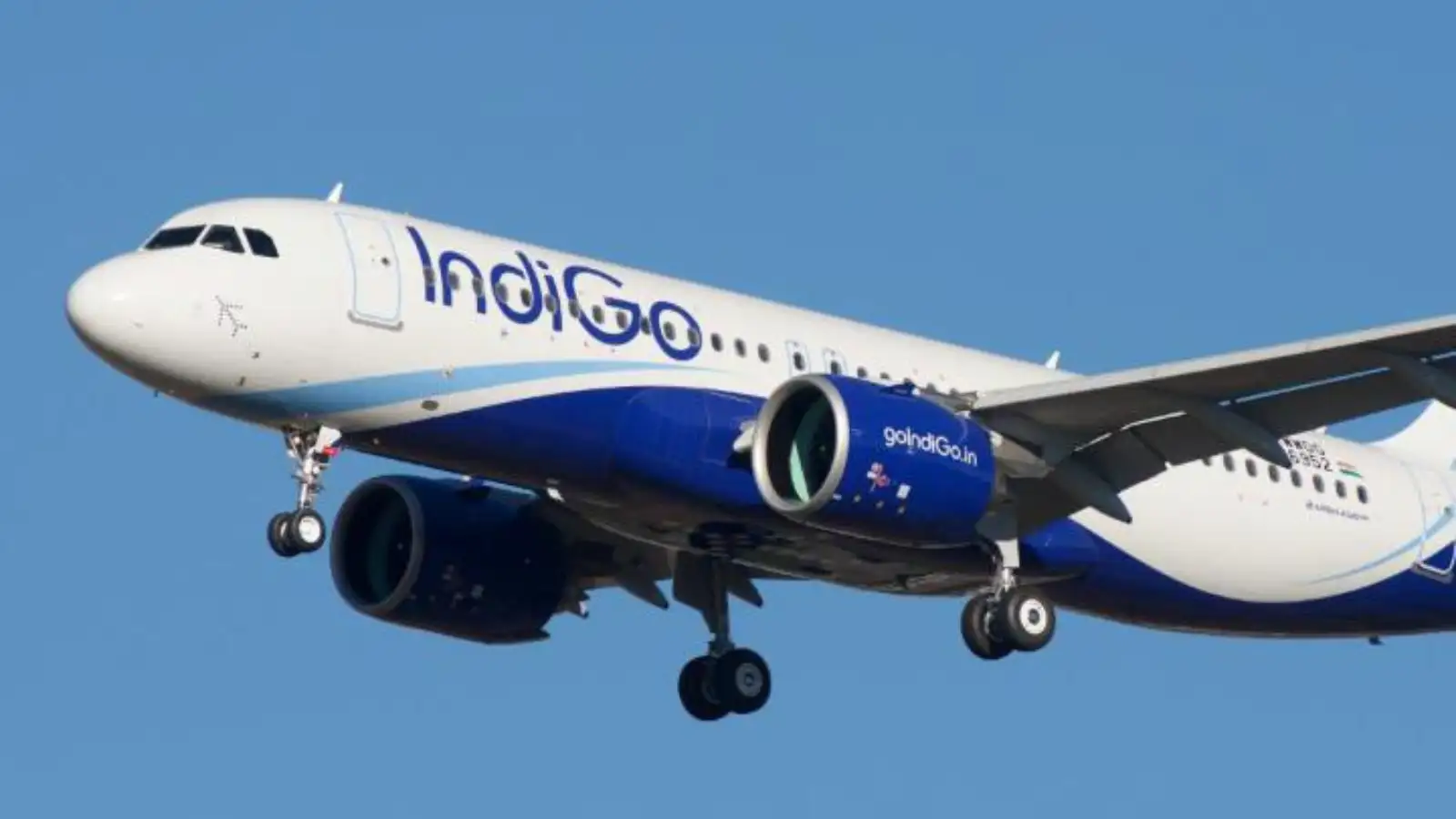
The government’s intervention was further prompted by observations from the Supreme Court, which questioned whether airlines were exploiting a deregulated environment to impose excessive ancillary charges. The rule was therefore designed with budget-conscious consumers in mind, ensuring transparency and eliminating hidden costs.
Airlines also stated that ancillary revenue, such as income from seat selection and meals, is essential for operation. By mandating the 60% free seats, airlines would have no choice but to increase base ticket price.
Airlines have also cited significant logistical challenges. Modern airlines reservation systems are designed to manage the seat allocation based on specific value tiers. Implementing a blanket policy of 60% free seats would have required massive overhauls of global distribution systems, recalibration of check-in algorithms, and could have led to an increase in check-in counter congestion.
With the order now in abeyance, the previous regulatory framework remains in force. This means airlines are required to keep only 20% of their seat capacity free for selection. Passengers who do not wish to pay for a seat can still opt for auto-assignment during web-check-in; however this does not guarantee preferred seat.
The ministry has clarified that the pause is not a permanent cancellation but a strategic intermission. A committee is expected to conduct an extensive research on socio-economic impact of seat pricing.
This reversal marks a significant moment in the long lasting feud between passenger rights and the commercial freedom of the low cost carriers (LCCs). Here is the detailed breakdown of the development, the industry’s response and what it means for the travelers.
The Genesis of the mandate
The original order was issued earlier this year in response to a growing wave of passenger complaints. Travelers had long raised complaints that the majority of the airline seats carried extra fees, ranging from ₹200 to as high as ₹2,100.The government’s intervention was further prompted by observations from the Supreme Court, which questioned whether airlines were exploiting a deregulated environment to impose excessive ancillary charges. The rule was therefore designed with budget-conscious consumers in mind, ensuring transparency and eliminating hidden costs.
Industry pushback
The primary driver behind the stay is a formal representation from the Federation of Indian Airlines (FIA), which represents major players like IndiGo, SpiceJet, and Akasa Air. The federation argued that the mandate undermined the “unbundled” pricing model, which help LCCs keep base fares low.Airlines also stated that ancillary revenue, such as income from seat selection and meals, is essential for operation. By mandating the 60% free seats, airlines would have no choice but to increase base ticket price.
Airlines have also cited significant logistical challenges. Modern airlines reservation systems are designed to manage the seat allocation based on specific value tiers. Implementing a blanket policy of 60% free seats would have required massive overhauls of global distribution systems, recalibration of check-in algorithms, and could have led to an increase in check-in counter congestion.
What this means for passengers
With the order now in abeyance, the previous regulatory framework remains in force. This means airlines are required to keep only 20% of their seat capacity free for selection. Passengers who do not wish to pay for a seat can still opt for auto-assignment during web-check-in; however this does not guarantee preferred seat.
The ministry has clarified that the pause is not a permanent cancellation but a strategic intermission. A committee is expected to conduct an extensive research on socio-economic impact of seat pricing.
Next Story