
Government Takes Major Decision on LPG, Commercial Gas Supply Increased to 70%

Rising tensions in West Asia are beginning to ripple through India’s energy supply chain, with LPG availability facing mounting pressure. As global disruptions impact imports, the government has stepped in with a timely relief measure, raising commercial LPG supply to support key sectors and essential services.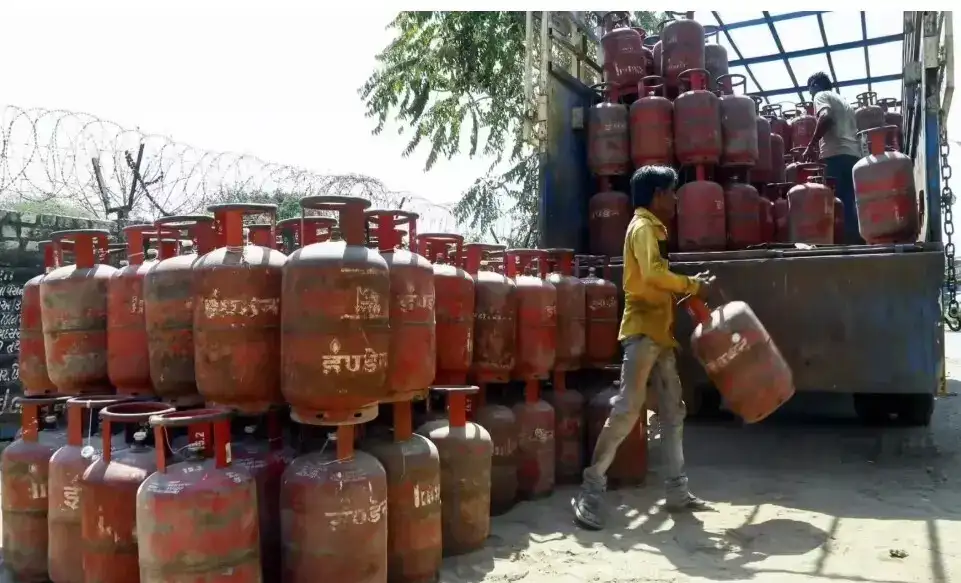
Supply Increased to 70%
In a significant revision, the government has increased commercial LPG supply to 70%. This comes after an earlier restriction that had cut supply down to 50% during the peak of the crisis. The fresh 20% hike is expected to ease operational stress across industries that rely heavily on LPG.
Priority for Key Industries
The revised supply strategy puts focus on sectors where alternatives like piped natural gas (PNG) are not easily available. Industries such as steel, automobiles, textiles, chemicals, and plastics are being given priority to ensure production continuity.
Relief for Daily Operations
The first phase of the supply boost already extended support to everyday services and small-scale operations. Hotels, restaurants, dhabas, industrial canteens, dairy units, food processing facilities, and community kitchens have benefited. Even 5 kg cylinders for migrant workers were included in the relief plan, ensuring basic cooking needs are met.
Steps to Stabilize the Situation
To tackle the ongoing LPG crunch, the government is also pushing long-term solutions. Expansion of PNG infrastructure and faster rollout of city gas networks are underway. At the same time, domestic LPG production has been ramped up by 40%, helping reduce reliance on imports.
Imports and Current Stock
India continues to source LPG from countries like the United States, Russia, and Australia. Around 800 TMT of LPG cargo is currently en route, and the nation maintains a stockpile sufficient for about a month.
While the global situation remains uncertain, these measures aim to keep supply lines steady and industries running. The government’s multi-pronged approach signals an effort to balance immediate relief with long-term energy security.
Supply Increased to 70%
In a significant revision, the government has increased commercial LPG supply to 70%. This comes after an earlier restriction that had cut supply down to 50% during the peak of the crisis. The fresh 20% hike is expected to ease operational stress across industries that rely heavily on LPG. Priority for Key Industries
The revised supply strategy puts focus on sectors where alternatives like piped natural gas (PNG) are not easily available. Industries such as steel, automobiles, textiles, chemicals, and plastics are being given priority to ensure production continuity.You may also like
- "Government has looted ordinary people": Manickam Tagore slams fuel duty cut
- "Winning a seat in Kerala a dream for BJP; they won't open account", KC Venugopal ahead of polls
- Government forms inter-ministerial group to monitor West Asia crisis impact
- Tamil Nadu: Ajoor village residents plan to vote NOTA during assembly polls
- "They are offering a mere pittance in relief...": Congress MP Pramod Tiwari on excise duty reduction on petrol, diesel
Relief for Daily Operations
The first phase of the supply boost already extended support to everyday services and small-scale operations. Hotels, restaurants, dhabas, industrial canteens, dairy units, food processing facilities, and community kitchens have benefited. Even 5 kg cylinders for migrant workers were included in the relief plan, ensuring basic cooking needs are met. Steps to Stabilize the Situation
To tackle the ongoing LPG crunch, the government is also pushing long-term solutions. Expansion of PNG infrastructure and faster rollout of city gas networks are underway. At the same time, domestic LPG production has been ramped up by 40%, helping reduce reliance on imports.Imports and Current Stock
India continues to source LPG from countries like the United States, Russia, and Australia. Around 800 TMT of LPG cargo is currently en route, and the nation maintains a stockpile sufficient for about a month. While the global situation remains uncertain, these measures aim to keep supply lines steady and industries running. The government’s multi-pronged approach signals an effort to balance immediate relief with long-term energy security.






More from our partners


Loving Newspoint? Download the app now
