
Delhi to Rishikesh in 3 Hours? New Rapid Rail Plan Explained

Travelling from Delhi to Rishikesh may soon become faster and far more convenient. The government is exploring plans to extend the Namo Bharat Regional Rapid Transit System, a high-speed regional rail network, to connect NCR with Uttarakhand. If the proposal moves forward, the journey that currently takes several hours by road could be reduced to just 2.25 to 3 hours.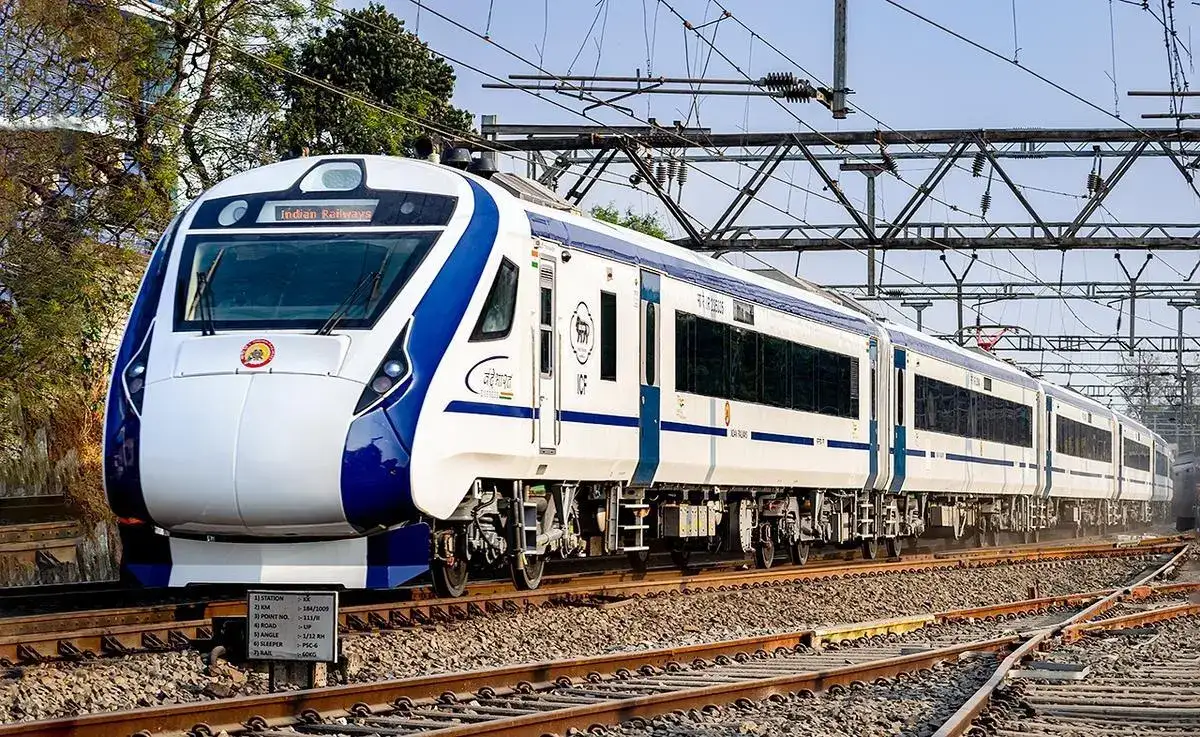
This development has the potential to change not only travel time but also the overall experience of commuting between these popular destinations.
Expansion Plans Gain Momentum
The idea of extending the rapid rail corridor has gained attention following a high-level discussion between Pushkar Singh Dhami and Manohar Lal Khattar. The meeting focused on improving connectivity between Delhi NCR and important religious and tourist hubs like Haridwar and Rishikesh.
This move is part of a broader effort to expand modern transport infrastructure and reduce travel pressure on existing road networks.
Current Route and Proposed Extension
At present, the rapid rail system connects Delhi to Meerut, covering a distance of about 82 kilometres in just under an hour. The trains operate at speeds of up to 160 km per hour and run throughout the day, making them a reliable option for daily commuters.
Under the proposed plan, the corridor will extend beyond Meerut towards Rishikesh, largely following National Highway 58. This expansion will connect several towns and regions along the way, improving accessibility across western Uttar Pradesh and into Uttarakhand.
Key Stations and Connectivity
The first phase of the extension is expected to include stations such as Daurala, Sakauti, Khatauli, and Purkaji, which lie close to the Uttar Pradesh and Uttarakhand border. From there, the line is likely to pass through Roorkee and reach Haridwar before finally connecting to Rishikesh.
This improved network will not only benefit travellers from Delhi but also provide better access for residents of smaller towns who often face limited transport options.
Relief from Traffic and Better Travel Experience
Highways leading to Haridwar and Rishikesh often experience heavy congestion, especially during weekends, holidays, and major religious events like the Kumbh Mela. A high-speed rail alternative can significantly reduce travel stress and offer a more predictable journey.
With faster travel times and fewer delays, passengers can plan trips more efficiently, whether for work, tourism, or religious visits.
Boost to Tourism and Local Economy
The proposed rail extension is expected to do more than just cut travel time. It could give a major boost to tourism in Uttarakhand by making destinations like Rishikesh and Haridwar more accessible.
At the same time, improved connectivity can encourage business growth, create job opportunities, and increase real estate demand in towns along the route. Local markets, hotels, and transport services are also likely to benefit from increased footfall.
A Step Towards Modern Connectivity
The expansion of the Namo Bharat rapid rail network reflects a shift towards faster and more efficient transportation systems in India. If implemented, it could redefine travel between Delhi and Uttarakhand, offering a smoother and more comfortable journey.
For travellers, pilgrims, and daily commuters alike, this project holds the promise of saving time while improving overall connectivity in the region.
This development has the potential to change not only travel time but also the overall experience of commuting between these popular destinations.
Expansion Plans Gain Momentum
The idea of extending the rapid rail corridor has gained attention following a high-level discussion between Pushkar Singh Dhami and Manohar Lal Khattar. The meeting focused on improving connectivity between Delhi NCR and important religious and tourist hubs like Haridwar and Rishikesh.This move is part of a broader effort to expand modern transport infrastructure and reduce travel pressure on existing road networks.
Current Route and Proposed Extension
At present, the rapid rail system connects Delhi to Meerut, covering a distance of about 82 kilometres in just under an hour. The trains operate at speeds of up to 160 km per hour and run throughout the day, making them a reliable option for daily commuters.You may also like
- Bihar's next CM to be decided in NDA meet tomorrow: Ramkripal Yadav
- People are definitely going to bring change in West Bengal, BJP Chief Minister will be sworn in on May 5: Amit Shah
- "All the development in Tamil Nadu due to Central schemes," R Sarath Kumar credits BJP for Tamil Nadu's development ahead of state elections
- Reliance Foundation and C-DAC under MeitY launch e-SafeHER
- Defence Production Secretary inaugurates LCH production line at HAL's new helicopter factory
Under the proposed plan, the corridor will extend beyond Meerut towards Rishikesh, largely following National Highway 58. This expansion will connect several towns and regions along the way, improving accessibility across western Uttar Pradesh and into Uttarakhand.
Key Stations and Connectivity
The first phase of the extension is expected to include stations such as Daurala, Sakauti, Khatauli, and Purkaji, which lie close to the Uttar Pradesh and Uttarakhand border. From there, the line is likely to pass through Roorkee and reach Haridwar before finally connecting to Rishikesh. This improved network will not only benefit travellers from Delhi but also provide better access for residents of smaller towns who often face limited transport options.
Relief from Traffic and Better Travel Experience
Highways leading to Haridwar and Rishikesh often experience heavy congestion, especially during weekends, holidays, and major religious events like the Kumbh Mela. A high-speed rail alternative can significantly reduce travel stress and offer a more predictable journey.With faster travel times and fewer delays, passengers can plan trips more efficiently, whether for work, tourism, or religious visits.
Boost to Tourism and Local Economy
The proposed rail extension is expected to do more than just cut travel time. It could give a major boost to tourism in Uttarakhand by making destinations like Rishikesh and Haridwar more accessible. At the same time, improved connectivity can encourage business growth, create job opportunities, and increase real estate demand in towns along the route. Local markets, hotels, and transport services are also likely to benefit from increased footfall.
A Step Towards Modern Connectivity
The expansion of the Namo Bharat rapid rail network reflects a shift towards faster and more efficient transportation systems in India. If implemented, it could redefine travel between Delhi and Uttarakhand, offering a smoother and more comfortable journey. For travellers, pilgrims, and daily commuters alike, this project holds the promise of saving time while improving overall connectivity in the region.






More from our partners


Loving Newspoint? Download the app now
